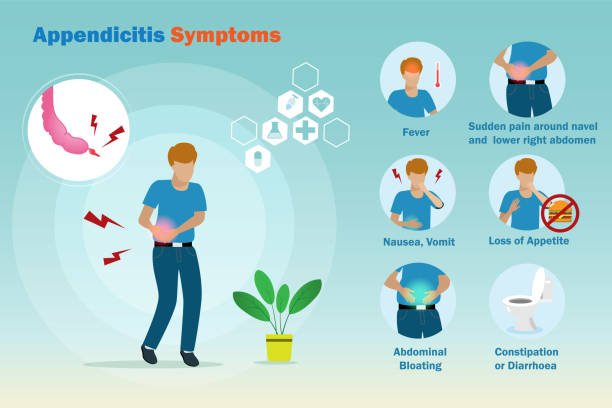
Appendicitis is one of the most common medical emergencies worldwide, yet many people still underestimate how quickly it can progress. Understanding the 4 stages of appendicitis is crucial for recognizing warning signs early, avoiding serious complications, and seeking timely medical care. This condition does not develop overnight in a single form; instead, it advances through predictable stages that can become life-threatening if ignored.
In this comprehensive guide, we will explore the 4 stages of appendicitis, how each stage affects the body, what symptoms to watch for, and why early diagnosis can make the difference between a simple surgery and a medical emergency.
What Is Appendicitis?
Appendicitis is the inflammation of the appendix—a small, finger-shaped pouch attached to the large intestine on the lower right side of the abdomen. Although the appendix has no essential function in adults, inflammation can cause severe pain and complications.
The condition typically begins when the appendix becomes blocked by stool, infection, or swelling of lymph tissue. Once blocked, bacteria multiply rapidly, leading to inflammation, pressure buildup, and eventually rupture if untreated.
Understanding how this process unfolds helps explain the 4 stages of appendicitis and why prompt treatment is critical.
Why Knowing the 4 Stages of Appendicitis Matters
Recognizing the 4 stages of appendicitis allows patients and caregivers to:
-
Identify symptoms earlier
-
Avoid appendix rupture
-
Reduce recovery time
-
Prevent serious infections such as peritonitis
Many severe complications occur because early symptoms are mistaken for gas pain, food poisoning, or stomach flu.
Overview of the 4 Stages of Appendicitis
Before diving deeper, here’s a quick overview of the 4 stages of appendicitis:
-
Early (Catarrhal) Appendicitis
-
Suppurative Appendicitis
-
Gangrenous Appendicitis
-
Perforated (Ruptured) Appendicitis
Each stage represents increasing severity and risk.
Stage 1: Early (Catarrhal) Appendicitis
The first of the 4 stages of appendicitis is known as early or catarrhal appendicitis. At this stage, inflammation is mild but has already begun.
What Happens in Stage 1?
-
The appendix becomes blocked
-
Mucus builds up inside
-
Bacteria begin multiplying
-
Internal pressure slowly increases
Common Symptoms
-
Dull pain near the belly button
-
Mild nausea
-
Loss of appetite
-
Low-grade fever
-
General discomfort
At this stage, pain is often vague and easily ignored. Many people mistake it for indigestion or constipation.
Why Early Detection Is Important
Treatment during this stage is straightforward, often involving early surgical removal or antibiotics in selected cases. Delaying care allows the condition to progress to the next stage.
Stage 2: Suppurative Appendicitis
The second phase in the 4 stages of appendicitis is suppurative appendicitis. This is when symptoms become more noticeable and harder to ignore.
What Happens in Stage 2?
-
Pus forms inside the appendix
-
Swelling increases significantly
-
Blood supply begins to suffer
-
Inflammation spreads to surrounding tissues
Key Symptoms
-
Sharp pain shifting to the lower right abdomen
-
Increased tenderness when touched
-
Nausea and vomiting
-
Fever above 38°C (100.4°F)
-
Pain worsened by movement or coughing
This stage is usually when people seek medical attention.
Medical Response
Appendectomy is strongly recommended at this stage. Antibiotics alone are usually insufficient due to the growing infection.
Stage 3: Gangrenous Appendicitis
The third of the 4 stages of appendicitis is gangrenous appendicitis—a dangerous phase requiring immediate intervention.
What Happens in Stage 3?
-
Blood supply to the appendix is severely reduced
-
Tissue begins to die (necrosis)
-
The appendix wall weakens
-
Risk of rupture rises dramatically
Warning Signs
-
Sudden relief of pain (misleading symptom)
-
High fever
-
Rapid heart rate
-
Severe fatigue
-
Increased abdominal swelling
Pain relief may occur because nerves die, but this is not a sign of recovery.
Why This Stage Is Critical
Gangrenous appendicitis can progress to rupture within hours. Emergency surgery is required to prevent life-threatening complications.
Stage 4: Perforated (Ruptured) Appendicitis
The final and most dangerous of the 4 stages of appendicitis is perforation or rupture.
What Happens in Stage 4?
-
The appendix bursts
-
Infected material spreads throughout the abdomen
-
Peritonitis or abscess formation occurs
-
Risk of sepsis increases
Severe Symptoms
-
Intense abdominal pain spreading across the abdomen
-
Rigid or swollen belly
-
High fever and chills
-
Confusion or weakness
-
Severe nausea and vomiting
Treatment Approach
-
Emergency surgery
-
Drainage of infection
-
Strong intravenous antibiotics
-
Longer hospital stay and recovery
This stage can be fatal if not treated immediately.
How Long Does It Take to Progress Through the 4 Stages of Appendicitis?
The progression through the 4 stages of appendicitis can vary, but commonly:
-
Stage 1 to Stage 2: 12–24 hours
-
Stage 2 to Stage 3: 24–48 hours
-
Stage 3 to Stage 4: 48–72 hours
In some cases, especially in children and elderly patients, progression may be faster.
Who Is Most at Risk?
Certain groups are more vulnerable to severe outcomes from the 4 stages of appendicitis:
-
Children under 10
-
Elderly adults
-
Pregnant women
-
People with weakened immune systems
Delayed diagnosis is more common in these populations.
Diagnosis of Appendicitis
Doctors use several tools to determine which stage of appendicitis is present:
-
Physical examination
-
Blood tests
-
Ultrasound or CT scan
-
MRI (especially in pregnancy)
Early diagnosis prevents progression to advanced stages.
Treatment Options Based on the Stage
| Stage | Treatment |
|---|---|
| Early | Antibiotics or appendectomy |
| Suppurative | Surgical removal |
| Gangrenous | Emergency surgery |
| Perforated | Surgery + intensive antibiotics |
Can Appendicitis Be Prevented?
There is no guaranteed way to prevent appendicitis, but maintaining a high-fiber diet may reduce blockage risks. Still, awareness of the 4 stages of appendicitis remains the best defense.
Strong Conclusion
Understanding the 4 stages of appendicitis can literally save lives. What starts as mild discomfort can rapidly escalate into a medical emergency if ignored. Early symptoms should never be dismissed, especially when abdominal pain worsens or shifts location. Prompt diagnosis and treatment not only reduce complications but also shorten recovery time significantly. Awareness, timely medical attention, and proper care are the keys to preventing the severe consequences of appendicitis.
Frequently Asked Questions (FAQs)
1. What are the first warning signs among the 4 stages of appendicitis?
Early signs include mild abdominal pain near the belly button, nausea, and loss of appetite.
2. Can appendicitis stop on its own in early stages?
In rare cases, mild inflammation may resolve, but most cases worsen and require medical treatment.
3. Which stage of appendicitis is most dangerous?
Perforated appendicitis is the most dangerous stage due to infection spreading in the abdomen.
4. How is appendicitis treated in children?
Children usually require prompt surgical removal to prevent rapid progression.
5. How long is recovery after appendectomy?
Recovery typically takes 1–3 weeks, depending on the stage and complications.