
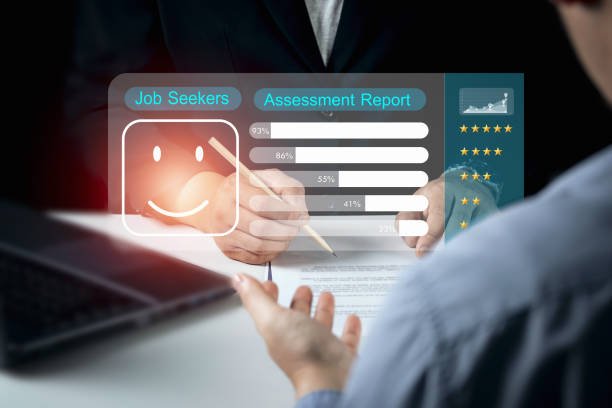
Organizations are adopting modern hiring solutions to identify the right talent quickly and accurately. Platforms like Skillrobo help companies streamline recruitment by using structured evaluation methods and data-driven insights.
Many businesses rely on the benefits of pre-employment assessments for hiring to improve candidate selection, reduce bias, and make informed decisions that support long-term organizational success. Pre-employment assessments evaluate candidates’ skills, knowledge, and behavioral traits before hiring. These tools provide measurable insights that complement resumes and interviews, allowing employers to choose candidates who are best suited for specific roles. As organizations aim for smarter hiring strategies, understanding the value of structured assessments becomes essential.
Understanding Pre-Employment Assessments
Pre-employment assessments are tests or evaluation methods used to measure a candidate’s abilities before offering a job. These assessments may include cognitive tests, personality evaluations, technical skill assessments, and behavioral tests. They help recruiters determine whether candidates possess the competencies required for a role.
Traditional hiring methods often rely on resumes and interviews, which may not fully reveal a candidate’s true potential. Assessments provide objective data that supports better decision-making. By using structured evaluation methods, organizations can ensure that hiring decisions are based on actual skills rather than assumptions.
Key Benefits of Pre-Employment Assessments
1. Improved Quality of Hire
One of the biggest advantages of pre-employment assessments is improving the quality of hires. These tests help employers evaluate whether candidates have the required competencies and job-specific skills. When organizations hire employees who match job requirements, they experience better performance and productivity.
Assessments also help predict future job performance by evaluating a candidate’s abilities and behavioral patterns. According to industry insights, structured assessments help organizations select candidates more accurately and improve overall employee performance.
2. Data-Driven Hiring Decisions
Pre-employment assessments support data-driven recruitment strategies. Instead of relying on intuition or subjective judgments, hiring managers can use measurable results to compare candidates. This reduces unconscious bias and increases fairness in the hiring process.
Objective evaluation ensures that all candidates are assessed using the same criteria. This consistency improves transparency and helps organizations build a more reliable recruitment process.
3. Reduced Hiring Time and Costs
Recruitment can be expensive and time-consuming. Screening hundreds of resumes and conducting multiple interviews requires significant effort. Pre-employment assessments help organizations identify high-potential candidates early in the hiring process, reducing unnecessary interviews and saving time.
Studies show that companies using assessments can reduce time-to-hire and cost-per-hire by filtering out unsuitable candidates at an early stage. Faster hiring not only saves resources but also ensures that critical roles are filled quickly.
4. Better Job Fit and Employee Retention
Hiring the right candidate is essential for long-term success. Pre-employment assessments help match candidates with roles that align with their skills and personality traits. When employees are well-suited for their jobs, they adapt quickly and perform better.
Better job fit also leads to higher employee satisfaction and lower turnover rates. Organizations benefit from reduced hiring costs and improved workforce stability.
5. Enhanced Workplace Diversity and Inclusion
Structured assessments support diversity initiatives by focusing on skills and abilities rather than personal characteristics. When hiring decisions are based on objective data, organizations can minimize bias and provide equal opportunities to all candidates.
Fair evaluation methods create inclusive workplaces where employees are selected based on merit. This diversity encourages innovation, creativity, and better collaboration within teams.
6. Improved Candidate Experience
A structured hiring process provides clarity and transparency for candidates. When organizations use standardized assessments, candidates understand the evaluation process and expectations.
A positive recruitment experience enhances employer branding and increases the likelihood of attracting high-quality talent. Clear communication and fair testing procedures create trust between employers and job seekers.
Types of Pre-Employment Assessments
Organizations use different types of assessments depending on job requirements and industry needs. Some common types include:
Cognitive Ability Tests evaluate problem-solving, reasoning, and learning ability. These tests help predict job performance and adaptability.
Skill-Based Assessments measure technical or job-specific skills required for a role, such as coding or writing.
Personality Assessments evaluate behavioral traits, work style, and cultural fit.
Situational Judgment Tests assess decision-making skills in real-world scenarios.
Using a combination of these assessments provides a complete view of a candidate’s capabilities and potential.
Role of Technology in Pre-Employment Assessments
Modern technology has transformed recruitment processes. Digital platforms automate assessment delivery, evaluation, and reporting, making hiring more efficient.
Automation helps organizations handle large volumes of applications while maintaining accuracy and consistency. Advanced analytics also provide insights into candidate performance and workforce trends, enabling continuous improvement in hiring strategies.
As businesses adopt digital hiring tools, pre-employment assessments play an important role in building strong and capable teams.
Why Businesses Choose Skillrobo for Hiring
Organizations choose Skillrobo because it offers structured assessments that help evaluate candidates effectively. The platform provides customizable tests, automated evaluation, and detailed performance insights.
Skillrobo enables organizations to assess technical skills, cognitive abilities, and behavioral traits in a single platform. This comprehensive approach helps companies make informed hiring decisions and build high-performing teams.
By simplifying recruitment workflows, Skillrobo supports organizations in improving efficiency and reducing hiring risks. Its data-driven approach ensures that hiring decisions align with business goals and workforce requirements.
Conclusion
Pre-employment assessments have become an essential part of modern hiring strategies. They help organizations improve the quality of hires, reduce recruitment costs, and support fair and objective evaluation. By providing measurable insights into candidate skills and behavior, these assessments enable data-driven decision-making and better workforce planning.
Solutions like Skillrobo help businesses implement structured hiring processes that lead to smarter recruitment outcomes. As organizations continue to focus on efficiency and performance, pre-employment assessments will remain a valuable tool for building strong, capable, and productive teams.