
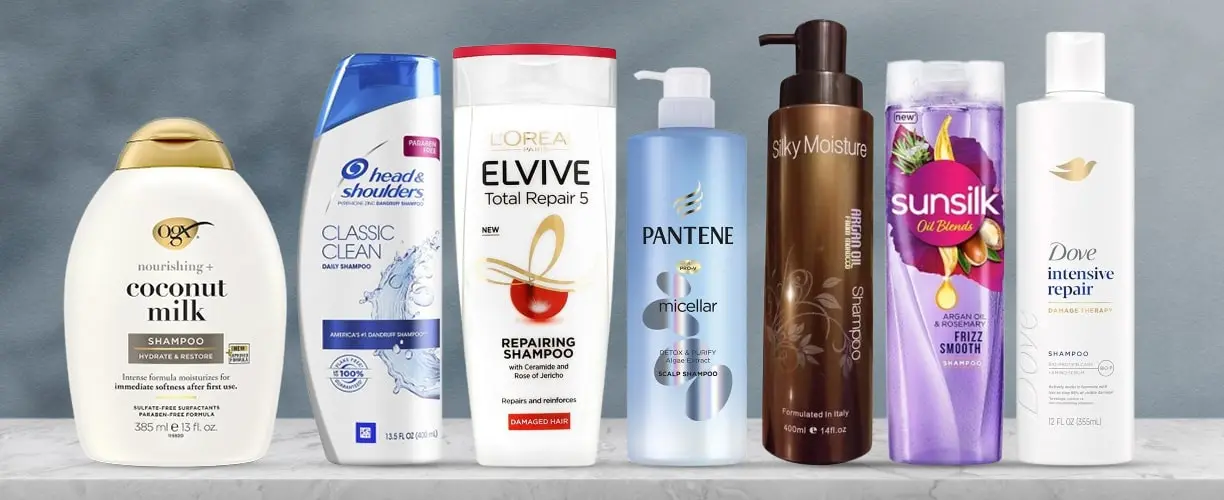
Finding the best shampoo and conditioner is not simply about choosing the most expensive bottle or the product with the most attractive packaging. Hair responds differently to cleansing agents, conditioning ingredients, moisture levels, fragrances, and styling habits. A formula that works beautifully for dry, curly hair may leave fine, oily hair feeling heavy or flat. The right combination should clean the scalp effectively while keeping the lengths manageable, comfortable, and healthy-looking.
The challenge is that modern hair-care aisles are filled with products claiming to repair damage, add volume, control frizz, protect color, strengthen strands, or restore moisture. Understanding what those claims actually mean can make the buying decision much easier. Instead of looking for one universal winner, it is more useful to find products that match your hair texture, scalp condition, chemical treatments, and everyday routine.
Quick Bio
| Feature | Details |
|---|---|
| Primary purpose | Cleanses the scalp and conditions the hair |
| Best suited for | Depends on hair type, scalp condition, and styling needs |
| Common shampoo ingredients | Cleansing agents, water, conditioning agents, preservatives |
| Common conditioner ingredients | Emollients, oils, fatty alcohols, silicones, humectants |
| Main hair concerns | Dryness, oiliness, frizz, breakage, color fading, buildup |
| Application order | Shampoo first, followed by conditioner |
| Recommended focus | Shampoo mainly on the scalp; conditioner mainly on mid-lengths and ends |
| Selection priority | Hair needs, ingredient compatibility, and personal preference |
What Makes the Best Shampoo and Conditioner?
There is no single shampoo and conditioner combination that can honestly be called perfect for every person. The strongest choice depends on what your scalp needs and how your hair behaves after washing.
A good shampoo should remove excess oil, sweat, dirt, product residue, and environmental debris without leaving the scalp feeling excessively stripped. A good conditioner should improve softness, reduce friction during combing, increase manageability, and help the hair feel smoother.
The ideal pair should also fit your washing schedule. Someone who washes daily may prefer a gentle cleansing formula, while a person who shampoos only once or twice a week may need stronger cleansing to remove accumulated oils and styling products.
Best Shampoo and Conditioner for Different Hair Types
Hair type is one of the simplest ways to narrow down your choices. Texture, density, porosity, and scalp behavior all influence which formulas feel comfortable and effective.
Best for Dry Hair
Dry hair generally benefits from a cleansing product that does not leave the strands feeling rough or squeaky. Look for moisturizing and conditioning ingredients that support softness and reduce the sensation of brittleness.
A richer conditioner can be particularly helpful on dry lengths and ends. Ingredients such as fatty alcohols, plant oils, conditioning polymers, and silicones can improve slip and make detangling easier.
Best for Oily Hair
Oily hair usually needs more attention at the scalp than at the ends. A lightweight shampoo can help remove excess sebum and styling residue without encouraging people to aggressively scrub the lengths.
Conditioner does not have to be skipped. Applying a lightweight conditioner only from the middle of the hair toward the ends can maintain softness without making the roots feel greasy.
Best for Fine Hair
Fine hair can become weighed down quickly, especially when rich oils, heavy masks, or large amounts of conditioner are used near the roots.
A lightweight volumizing or balancing shampoo can be a better starting point. Conditioner should be used sparingly and distributed carefully through the ends.
Best for Thick and Coarse Hair
Thicker or coarser strands may benefit from richer conditioning formulas. These hair types often respond well to products designed to reduce friction, improve softness, and control dryness.
However, richer does not automatically mean better. Excessive product can create buildup, particularly when several styling products are layered into the routine.
Best for Curly Hair
Curly hair often needs careful moisture management because natural scalp oils may travel more slowly along a curved strand. A suitable routine should support definition while reducing roughness and unnecessary tangling.
The best approach may involve a gentle cleanser followed by a conditioner with excellent slip. People with curls should also pay attention to how frequently they cleanse rather than assuming that more washing is always better.
Best for Color-Treated Hair
Color-treated hair can be more vulnerable to dryness and changes in appearance. A color-conscious routine typically emphasizes gentle cleansing and conditioning rather than aggressive removal of oils.
Heat protection, UV exposure, swimming, and frequent washing may also influence how long a color looks fresh, so shampoo alone cannot solve every color-maintenance issue.
Best Shampoo and Conditioner for a Healthy Scalp
Healthy-looking hair begins at the scalp. If your scalp is uncomfortable, excessively oily, flaky, or irritated, choosing a conditioner based solely on the appearance of the hair may not address the underlying problem.
A routine should distinguish between scalp care and hair-fiber care. Shampoo is generally intended to clean the scalp, while conditioner is primarily used to improve the feel and manageability of the hair shaft.
People with persistent itching, painful irritation, severe flaking, sores, or sudden changes in scalp condition may need professional medical advice rather than simply trying different cosmetic products.
Ingredients Worth Understanding
Reading an ingredient list can be more useful than relying on marketing language.
Cleansing Agents
Shampoos use surfactants to help lift oil and debris from the hair and scalp. Different formulas may use different combinations of cleansing agents, which can affect how strong, mild, or foamy the wash feels.
A highly foaming shampoo is not automatically better, and a low-foam shampoo is not automatically gentler. Performance depends on the complete formulation.
Humectants
Humectants such as glycerin can help attract and retain moisture. They are common in conditioners and other moisturizing products.
Their effect can vary depending on the entire formula and the surrounding environment, so one ingredient should not be judged in isolation.
Fatty Alcohols
Ingredients such as cetyl alcohol and stearyl alcohol are frequently used in conditioners. Despite the word “alcohol,” these ingredients are chemically different from drying alcohols and are commonly valued for their emollient and texture-enhancing properties.
Silicones
Silicones can improve smoothness, reduce friction, and enhance shine. They are often useful for managing frizz and improving combability.
Claims that all silicones are harmful oversimplify the subject. What matters is whether a particular formula works well for the person’s hair and whether buildup becomes a practical concern.
Oils and Butters
Coconut oil, argan oil, shea butter, and similar ingredients are common in nourishing hair products. They can help improve softness and reduce the rough feel associated with dryness.
Still, heavier oils and butters may not be comfortable for everyone, particularly people with fine hair or a scalp that becomes oily quickly.
Proteins
Hydrolyzed proteins appear in some strengthening and repair-focused formulas. They can contribute to improved hair feel and temporary strengthening effects, although they do not permanently rebuild a damaged strand back to its original biological state.
How to Choose the Right Formula
When comparing products, start with your biggest hair concern rather than trying to solve everything at once.
For example, someone with an oily scalp and dry ends should not necessarily use a heavy moisturizing shampoo all over the head. A better strategy may be to cleanse the scalp effectively while using conditioner selectively on the drier sections.
Likewise, someone with fine hair and significant frizz may need lightweight conditioning rather than abandoning conditioner altogether.
Think about these factors:
- Scalp: oily, dry, sensitive, or balanced
- Texture: straight, wavy, curly, or coily
- Density: fine, medium, or thick
- Chemical treatments: dyed, bleached, relaxed, or untreated
- Main goal: moisture, volume, smoothness, repair, or frizz control
- Washing frequency: daily, several times a week, or occasionally
- Styling habits: frequent heat styling, air drying, or heavy product use
How Often Should You Use Shampoo?
There is no universal washing schedule. Hair type, scalp oil production, exercise, climate, hairstyle, and product use all influence how often cleansing is appropriate.
People with an oily scalp may need to wash more frequently, while those with very dry or highly textured hair may prefer longer intervals between washes.
The goal is balance. Waiting too long can allow oil and styling residue to accumulate, while unnecessarily frequent or aggressive cleansing can make some hair types feel dry.
Your scalp is often the best guide. If it feels greasy, uncomfortable, or heavily coated, cleansing may be overdue. If the scalp feels consistently tight or irritated after washing, the routine may need adjustment.
How to Use Shampoo Correctly
More shampoo does not necessarily mean cleaner hair. A small amount is often enough when it is distributed properly.
Wet the hair thoroughly before applying shampoo. Focus the cleanser mainly on the scalp and gently massage with the fingertips rather than scratching with the nails.
Allow the lather and rinsing water to pass through the lengths instead of aggressively rubbing the hair. This can reduce unnecessary friction and tangling.
For people with significant styling buildup, a second cleanse may sometimes be useful. However, it should not automatically become necessary every day.
How to Use Conditioner Correctly
Conditioner is generally most useful from the mid-lengths to the ends, where hair is older and more exposed to friction and environmental stress.
After shampooing, gently squeeze out excess water and apply conditioner evenly. Leave it on according to the product directions, then rinse thoroughly.
Fine hair may need only a small amount, while thick or highly textured hair may require more. Applying a rich conditioner directly to an oily scalp can make the roots appear greasy more quickly.
Common Mistakes People Make
Choosing the wrong product is not always the reason a hair routine fails. Technique can matter just as much.
One common mistake is applying shampoo mainly to the ends. The scalp is where oil, sweat, and product residue accumulate, so that area generally needs the greatest cleansing attention.
Another mistake is using conditioner from root to tip without considering hair type. This may be comfortable for very dry hair but unnecessarily heavy for fine or oily hair.
People also frequently change products too quickly. A few uses may not provide enough information, especially when evaluating softness, manageability, or styling behavior.
Finally, some shoppers choose products based entirely on words such as “natural,” “professional,” “clean,” or “repair.” Those terms can be useful marketing descriptions, but they do not automatically guarantee that a product will perform well for a particular person.
Shampoo and Conditioner for Damaged Hair
Hair can become damaged through repeated heat styling, bleaching, coloring, mechanical stress, and environmental exposure. Once the outer structure has been significantly compromised, cosmetic products cannot completely reverse every form of physical damage.
However, a good conditioning routine can improve the appearance and feel of damaged hair. Detangling becomes easier, friction may decrease, and strands can look smoother and shinier.
Reducing additional stress is equally important. Lowering excessive heat, using heat protectant products, avoiding aggressive brushing, and handling wet hair gently can all support better-looking results.
Can the Same Brand Make the Best Pair?
Not necessarily. Shampoo and conditioner from the same product line are often designed to complement one another, but there is no rule saying you must use them together.
You might prefer a balancing shampoo from one brand and a lightweight conditioner from another. Product selection should be based on the needs of your hair and scalp rather than a requirement to purchase matching bottles.
For example, an oily scalp may prefer a lighter cleanser while dry ends may benefit from a richer conditioner. Mixing products can therefore be a practical solution.
Natural, Sulfate-Free, and Silicone-Free: What Do These Labels Mean?
Product labels can make hair care unnecessarily confusing.
“Sulfate-free” generally means the formulation does not contain certain sulfate surfactants. Some people prefer sulfate-free products because they find them less drying or more comfortable for particular hair routines, especially around color-treated or textured hair. However, sulfate-free does not automatically mean that a product will work better for everyone.
“Silicone-free” means certain silicone ingredients are absent. This may appeal to people who dislike the feel of silicone-containing products or who prefer a particular routine. Again, absence of an ingredient does not inherently make a formula superior.
“Natural” is even less straightforward because the term can be used broadly in marketing. A naturally derived ingredient can still cause irritation or allergies, and a laboratory-produced ingredient can be highly useful and well tolerated.
The complete formula and your personal response matter more than a single label.
How to Tell Whether Your Hair-Care Routine Is Working
A successful routine does not have to make dramatic claims. Look for practical results.
Your scalp should feel comfortable after washing. Hair should be manageable without excessive residue, and the conditioner should make detangling easier rather than harder.
Over time, you may notice reduced frizz, improved shine, softer ends, or easier styling. These are useful signals that the routine is compatible with your needs.
Pay attention to negative changes too. Persistent heaviness, rapid greasiness, increased tangling, dryness, or irritation can indicate that the formula, frequency, or application method needs to change.
Best Shampoo and Conditioner: A Simple Buying Strategy
Instead of purchasing several products at once, start with one shampoo and one conditioner that clearly match your current needs.
Read the instructions and use them consistently for a reasonable period. Keep the routine simple enough that you can identify what is helping and what is not.
For someone with an oily scalp, begin with a cleansing-focused shampoo and lightweight conditioner. For dry, coarse hair, prioritize moisture and conditioning. For fine hair, choose lighter textures. For curls, focus on cleansing without excessive stripping and conditioning with enough slip for detangling.
The best choice is ultimately the combination that keeps your scalp comfortable and your hair manageable without creating unnecessary buildup or dryness.
Frequently Asked Questions
1. What is the best shampoo and conditioner for everyday use?
The best everyday combination depends on your scalp and hair type. A gentle shampoo paired with a lightweight conditioner is often a practical option for people who wash frequently, while drier or more textured hair may benefit from richer conditioning.
2. Should I use shampoo and conditioner from the same brand?
No. Matching products can work well, but they are not required. You can combine formulas from different brands when each product better addresses a specific need.
3. Is expensive shampoo always better?
No. Price does not automatically determine performance. A moderately priced formula that suits your hair can outperform a luxury product that is poorly matched to your needs.
4. How do I choose the best shampoo and conditioner for dry hair?
Look for formulas designed to improve moisture, softness, and manageability. A richer conditioner can be especially useful on the mid-lengths and ends, while excessive cleansing should be avoided if it leaves the hair consistently feeling stripped.
5. Can shampoo repair permanently damaged hair?
Shampoo and conditioner can improve the appearance, smoothness, and manageability of damaged hair, but they cannot permanently restore severely damaged hair to its original biological condition. Preventing additional damage is an important part of maintaining healthier-looking strands.
Conclusion
Choosing the best shampoo and conditioner is less about finding a universally famous product and more about understanding what your own hair and scalp actually need. The right routine should cleanse effectively, provide appropriate conditioning, and fit your washing and styling habits.
Start with the basics: identify your scalp type, understand your hair texture, consider chemical or heat exposure, and choose formulas accordingly. Avoid judging products solely by price, packaging, or fashionable ingredient claims.
Most importantly, pay attention to how your hair responds. Comfortable scalp skin, manageable strands, reduced tangling, appropriate softness, and healthy-looking shine are better indicators of a successful routine than marketing promises. With a little experimentation and a realistic understanding of ingredients, finding a shampoo-and-conditioner combination that works for you becomes far easier.