
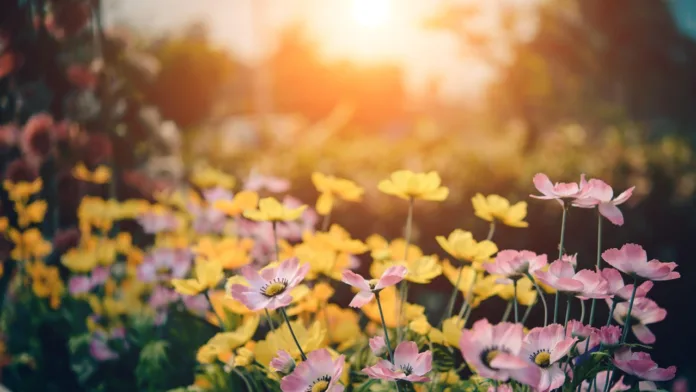
When frost still clings to morning grass and snow patches dot the landscape, certain remarkable plants begin their annual display of courage. These flowers that bloom in late winter serve as nature’s promise that warmer days lie ahead, pushing through frozen soil to create pockets of color in an otherwise dormant world.
Late winter bloomers represent some of the most resilient plants in the gardening world. While most flora remains dormant, these hardy specimens emerge as early as January and February, depending on your climate zone. Their ability to withstand freezing temperatures and unpredictable weather patterns makes them invaluable additions to any garden seeking year-round interest.
Understanding which flowers bloom during this challenging season helps gardeners create landscapes that offer beauty throughout the entire year. These plants don’t just survive harsh conditions—they thrive in them, often producing their most spectacular displays when temperatures hover near freezing.
The timing of late winter blooms varies significantly based on geographic location and specific weather patterns. What remains consistent is their remarkable ability to emerge when other plants remain safely tucked beneath the soil, waiting for more favorable conditions.
Early Heralds: Snowdrops and Their Delicate Beauty
Snowdrops (Galanthus) stand among the most beloved flowers that bloom in late winter. These petite bulbs typically emerge in January or February, producing drooping white flowers that resemble tiny lanterns hanging from slender stems. Their name perfectly captures their appearance—small white blooms that often push through actual snow to announce winter’s approaching end.
These hardy perennials prefer partial shade and well-draining soil rich in organic matter. Once established, snowdrops multiply readily through both seed dispersal and bulb division, creating naturalized drifts that expand year after year. Their low maintenance requirements make them ideal for gardeners seeking reliable late winter color without intensive care.
Snowdrops demonstrate remarkable cold tolerance, withstanding temperatures well below freezing without damage. This resilience allows them to bloom consistently even during harsh winter weather, providing dependable beauty when most gardens appear lifeless.
Vibrant Crocuses: Purple and Gold Treasures
Crocuses represent perhaps the most recognizable flower that blooms in late winter, offering brilliant splashes of purple, white, yellow, and striped varieties. These small but mighty bulbs push through frozen ground to display cup-shaped blooms that open wide on sunny days and close during cloudy or cold periods.
Spring crocuses (Crocus vernus) typically bloom slightly later than their snow crocus cousins (Crocus chrysanthus), but both varieties can appear as early as February in milder climates. Their low-growing habit makes them perfect for rock gardens, lawn naturalizing, or border edges where their bright colors create maximum impact.
These bulbs prefer full sun to partial shade and well-draining soil. Unlike many late winter bloomers, crocuses can tolerate various soil types, from sandy to clay-based conditions. Their adaptability contributes to their popularity among both novice and experienced gardeners.
The flowers provide early nectar sources for emerging pollinators, particularly honey bees and native bee species beginning to venture out during warmer late winter days. This ecological benefit adds another layer of value to their garden presence.
Winter Aconite: Golden Carpets of Sunshine
Winter Aconite (Eranthis hyemalis) creates some of the most cheerful displays among flowers that bloom in late winter. These low-growing perennials produce bright yellow, buttercup-like blooms surrounded by distinctive green bracts that resemble delicate collars.
Unlike bulb-based late winter bloomers, Winter Aconite grows from small tubers that should be soaked overnight before planting. These plants prefer alkaline soil and partial shade, thriving beneath deciduous trees where they receive winter sun but summer shade.
Winter Aconite often blooms simultaneously with snowdrops, creating striking combinations of white and gold that illuminate shaded garden areas. Their ability to naturalize makes them excellent choices for woodland gardens or areas where low-maintenance ground cover is desired.
The flowers emerge so early they sometimes push through snow, earning them recognition as one of the most reliable flowers that bloom in late winter. Their persistence in harsh conditions makes them symbols of hope and endurance.
Witch Hazel: Fragrant Winter Shrubs
Witch Hazel (Hamamelis) brings both visual beauty and intoxicating fragrance to late winter gardens. These large shrubs or small trees produce clusters of spidery flowers in shades of yellow, orange, and red, often blooming from January through March depending on the variety.
The most popular late winter varieties include Hamamelis mollis (Chinese Witch Hazel) and Hamamelis intermedia cultivars. These plants prefer acidic, well-draining soil and benefit from protection from harsh winter winds, though they tolerate cold temperatures remarkably well.
Witch Hazel flowers possess an unusual structure, with long, narrow petals that create a distinctive spidery appearance. During extremely cold spells, these petals curl up to protect the flower’s reproductive parts, unfurling again when temperatures moderate.
The intense fragrance of Witch Hazel blooms can carry considerable distances, making them valuable additions to gardens where winter interest extends beyond visual appeal. This characteristic sets them apart from most other flowers that bloom in late winter.
Hellebores: The Christmas and Lenten Roses
Hellebores earn recognition as some of the most sophisticated flowers that bloom in late winter. These evergreen perennials produce elegant blooms ranging from pure white to deep burgundy, often featuring intricate patterns and markings that reward close inspection.
Christmas Rose (Helleborus niger) typically blooms from December through February, while Lenten Rose (Helleborus orientalis) flowers from February through April. Both species prefer partial to full shade and rich, well-draining soil with consistent moisture.
Hellebore flowers possess unusual longevity, often persisting for months rather than weeks. What appears to be petals are actually sepals, which explains their remarkable staying power compared to true petals found on most other flowering plants.
These plants require minimal maintenance once established, making them ideal for gardeners seeking elegant late winter color without intensive care requirements. Their deer resistance adds practical value to their ornamental qualities.
Cultural Symbolism and Meanings of Late Winter Flowers
Throughout history, flowers that bloom in late winter have carried profound symbolic meaning across various cultures. Snowdrops represent hope, renewal, and the promise of spring’s return. Their ability to emerge through snow symbolizes overcoming adversity and finding beauty in challenging circumstances.
Crocuses symbolize youthful gladness and cheerfulness, their bright colors representing optimism during winter’s darkest days. Ancient Greeks associated crocuses with fertility and new beginnings, meanings that persist in modern interpretations.
Winter Aconite traditionally represents anticipation and the joy of approaching spring. Their golden color connects them to solar symbolism and the gradual lengthening of daylight hours that marks late winter’s progression.
These symbolic associations make late winter bloomers particularly meaningful additions to gardens designed for contemplation or memorial purposes, where their messages of hope and renewal provide comfort during difficult periods.
Growing Late Winter Bloomers: Essential Gardening Tips
Successfully cultivating flowers that bloom in late winter requires understanding their unique requirements and growth patterns. Most late winter bulbs should be planted in fall, typically between September and November, allowing sufficient time for root development before winter’s arrival.
Soil preparation proves crucial for late winter bloomer success. Well-draining soil prevents waterlogged conditions that can cause bulb rot during wet winter months. Adding compost or other organic matter improves both drainage and soil structure while providing slow-release nutrients.
Planting depth varies by species, but general guidelines suggest planting bulbs at depths approximately three times their diameter. This ensures adequate insulation while allowing shoots to emerge successfully through soil and potential snow cover.
Mulching around late winter plantings helps moderate soil temperatures and retain moisture, but avoid thick mulches that might prevent shoots from emerging. Light applications of shredded leaves or compost work well for most species.
Optimal Growing Conditions and Site Selection
Location selection significantly impacts the success of flowers that bloom in late winter. Most prefer sites that receive full sun during winter months but benefit from some shade during hot summers. Areas beneath deciduous trees often provide ideal conditions.
Drainage remains the most critical factor for late winter bloomers. Heavy clay soils can be improved by incorporating sand, compost, or other organic amendments. Raised beds or sloped areas naturally provide better drainage than flat, low-lying locations.
Wind protection helps preserve delicate blooms and prevents desiccation during cold winter periods. Planting near buildings, fences, or evergreen shrubs can provide necessary shelter without completely blocking sunlight.
Consider microclimates within your garden when selecting planting locations. Areas near south-facing walls or protected by structures often warm earlier and may trigger earlier blooming in borderline hardy varieties.
Notable Gardens and Locations for Late Winter Flower Viewing
Many botanical gardens and public spaces showcase exceptional displays of flowers that bloom in late winter. The Royal Botanic Gardens at Kew in London features extensive snowdrop collections that draw thousands of visitors annually during late winter months.
In the United States, the Morris Arboretum in Philadelphia maintains impressive Witch Hazel collections, with dozens of varieties providing continuous bloom from December through March. Their Winter Garden specifically highlights late winter flowering plants in naturalistic settings.
The Arnold Arboretum at Harvard University offers excellent examples of cold-hardy late winter bloomers adapted to harsh New England conditions. Their collection demonstrates successful cultivation techniques for challenging climates.
Many private gardens open for special late winter tours, recognizing public interest in these remarkable plants. Local gardening clubs often organize tours focused specifically on late winter interest gardens.
Planning Your Late Winter Garden Display
Creating effective displays of flowers that bloom in late winter requires strategic planning and plant placement. Group plantings create more visual impact than scattered individual specimens, particularly important given the typically small size of most late winter blooms.
Consider bloom timing when selecting varieties, choosing species that flower in sequence to extend the display period. Early bloomers like snowdrops can be followed by crocuses, then later by hellebores and witch hazel for months of continuous interest.
Evergreen backgrounds help showcase delicate late winter flowers, providing contrast that makes pale blooms more visible. Dark green conifers or broadleaf evergreens serve as excellent backdrop plants.
Pathways and viewing areas should be positioned to highlight late winter plantings, encouraging observation of these often subtle displays. Placing benches or other garden features near late winter gardens extends their practical value.
Wildlife Benefits of Late Winter Bloomers
Flowers that bloom in late winter provide crucial resources for wildlife during periods when food sources remain scarce. Early-flying insects depend on these nectar sources, while some bird species consume seeds from spent flower heads.
Honey bees particularly benefit from early crocus and snowdrop nectar, helping colonies survive late winter periods when stored honey supplies may be running low. Native bee species also utilize these early food sources.
Small mammals sometimes consume bulbs and tubers, though this rarely causes significant damage to established plantings. Providing alternative food sources can minimize any potential conflicts with wildlife feeding behavior.
The early emergence of late winter bloomers supports beneficial insects that help control garden pests during the growing season, creating ecological benefits that extend well beyond their immediate flowering period.
Maintenance and Long-term Care Strategies
Established plantings of flowers that bloom in late winter require minimal maintenance, making them excellent choices for low-maintenance gardens. Allow foliage to remain until it naturally dies back, providing energy for next year’s blooms.
Fertilization needs remain minimal for most late winter bloomers. A light application of balanced fertilizer in early fall provides sufficient nutrients without encouraging excessive foliage growth that might reduce cold tolerance.
Division becomes necessary every few years for clumping species like hellebores and some bulb types. This process rejuvenates plantings while providing material for expanding displays or sharing with other gardeners.
Pest and disease problems rarely affect late winter bloomers significantly, their early emergence often preceding most pest activity. Good air circulation and proper spacing help prevent the few issues that might occur.
Embracing Winter’s Hidden Beauty
The remarkable flowers that bloom in late winter remind us that beauty persists even during nature’s most challenging seasons. These plants teach valuable lessons about resilience, timing, and finding joy in unexpected moments. Their courage to emerge when conditions seem impossible inspires gardeners to appreciate subtler forms of natural beauty.
Creating space for late winter bloomers in your garden provides rewards that extend far beyond their flowering period. They offer hope during winter’s darkest days, attract beneficial wildlife, and demonstrate nature’s incredible adaptability. Whether you choose delicate snowdrops, vibrant crocuses, or fragrant witch hazel, these remarkable plants will enrich your garden experience throughout the year.
Consider starting with just a few varieties to discover which flowers that bloom in late winter work best in your specific conditions. Their low maintenance requirements and high reward factor make them ideal additions for gardeners of all experience levels seeking to extend their garden’s seasonal interest.