Introduction
In Norway, the term Viltnemnda refers to the local wildlife-committee for a municipality. It may sound technical, but it plays a very real part in how wild animals, hunters, landowners and local communities interact. In this article we’ll explore what viltnemnda is, why it matters, how it operates, what challenges it faces — and how you (as a resident, landowner or interested citizen) can engage. The idea is to make this topic clear, practical and engaging, not abstract.
What is Viltnemnda?
The definition and context
The word “viltnemnda” literally comes from Norwegian: vilt meaning wildlife, and nemnda (or nemnd) meaning committee or board. Thus, viltnemnda is a wildlife committee.
In the Norwegian system, each municipality (kommune) may have a viltnemnda that has been assigned responsibilities under national laws for wildlife, hunting, wildlife-damage and related matters.
Legal basis and where it sits
The national framework is provided via laws such as the Wildlife Act (the Norwegian “Jakt- og viltlov” or equivalents) and other regulations regarding sustainable use of wildlife, damage control, hunting quotas, etc.
In practice, the viltnemnda is the local interface of that framework. It’s the body that acts closer to the ground — dealing with local wildlife issues, collaborating with landowners, hunters, municipality staff and sometimes police.
Why Viltnemnda Matters
Balancing conservation, hunting and human interests
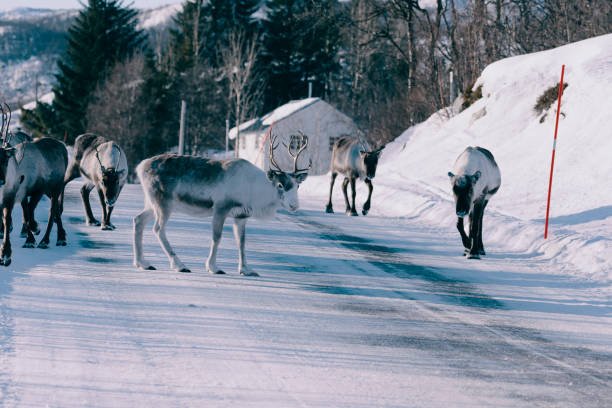
Norway is a country with rich forests, wild species (moose, deer, foxes, etc.), agriculture, roads crossing wild terrain, homes near wilderness areas. Without local mechanisms, wildlife issues can become difficult: over-populated game species causing damage to crops, increased collisions on roads, conflict between land-use and wildlife corridors, etc.
Viltnemnda helps by being that local body which can:
-
regulate hunting quotas (to manage wildlife population)
-
respond to wildlife damage (for example when deer or moose impact farmland)
-
deal with road-kill, injured wildlife and public safety issues
-
advise/participate in land-use planning to reduce human-wildlife conflict
By doing this, viltnemnda helps ensure that wildlife thrives and that people’s interests (agriculture, transport safety, land-use) are accounted for. As one summary puts it: “Viltnemnda is Norway’s frontline team for wildlife management.
Example of practical impact
-
When a wild animal is injured on a road, the police may contact viltnemnda to make decisions about safe removal or euthanasia.
-
When crops are damaged by a herding species (e.g., deer), the viltnemnda may assess the damage, decide compensation or whether a “damage-felling” permit should be issued.
Thus, the concept isn’t theoretical — it is operational and relevant for local citizens and landowners.
How Viltnemnda Operates
Structure & membership
A typical viltnemnda in a municipality will consist of a small number of appointed members (often 5) along with deputy members. The composition is often a mix of stakeholders: municipal officials, representatives of landowners/farmers, hunters, environmental interests. This mix helps balance the different interests that wildlife management implicates.
The committee may report to the municipal council or environmental/nature department of the municipality. Its decisions may carry legal weight, especially when acting under delegated powers.
Tasks and responsibilities
Here are the main tasks that viltnemnda typically performs:
-
Hunting regulation and quotas: Viltnemnda may set local quotas, approve hunting permits (within the national framework) and allocate rights in cooperation with landowners and hunting associations.
-
Damage assessment and remediation: When wildlife causes damage (to forestry, crops, fences, livestock), viltnemnda can assess claims, recommend damage-felling, or coordinate preventive measures.
-
Collision/road-kill/injured wildlife: In events of animals hit on roads or injured, viltnemnda often coordinates the response (sometimes via police). This is important for public safety and animal welfare.
-
Local advice & planning: They may advise the municipality about wildlife-corridor planning, land-use changes, habitat protection, and how to reduce conflict between humans and nature.
-
Public-stakeholder engagement: Citizens, landowners and hunters need to engage with viltnemnda. For example, if you want to report wildlife damage or ask for permit, you approach the committee via the municipality.
Decision-making process
The committee regularly meets, reviews data (harvest statistics, wildlife counts, damage records), consults stakeholders, and issues decisions. One insightful article outlines how decisions are evidence-based: using GPS/camera-trap data, collision maps, and citizen reports to set quotas and measures.
Also, non‐lethal solutions are often preferred before lethal ones: e.g., fences, deterrents, habitat adjustment. Only if damage is serious and other measures fail may removal or culling be considered.
Tips for Landowners, Hunters and Citizens
If you live in Norway (or happen to visit/have land there) and you’re dealing with wildlife questions, here are some tips specifically relating to viltnemnda:
-
Know your municipality’s viltnemnda – Get the contact info via municipality website or local office. It’s the gateway for issues of wildlife damage, quotas, permits.
-
Report incidents properly – If you hit or find injured wildlife, call the police (in many cases number 02800) and ask them to contact the committee. Mark the location safely.
-
Document damage – If your crops/fence/livestock have been damaged by wildlife, take photos, note date/time, species if possible, and submit the claim as per your municipality’s instructions.
-
Participate in local planning – If land-use changes are planned (new road, building, etc) you can ask whether the viltnemnda has been consulted about wildlife corridors or conflict mitigation.
-
Understand quotas and harvesting rules – If you are a hunter or landowner, be aware that quotas may be locally set. Working with the committee can give you better access and clearer obligations.
-
Use preventative measures – Engage with the committee about non-lethal measures: e.g., signs in high-wildlife zones, fencing, deterrents. These reduce conflict and may save costs.
-
Stay informed – Wildlife patterns change (climate factors, habitat change, urban sprawl) and the committee’s expectations may shift accordingly. A proactive stance helps.
Challenges & Common Criticisms
No system is perfect, and viltnemnda has its share of issues. Awareness of these helps understand the context and why sometimes decisions may seem slow or frustrating.
-
Balancing conflicting interests: Farmers may demand aggressive removal of wildlife damaging crops, while conservationists argue for minimal lethal action. The committee is pulled between these.
-
Resources and capacity: Especially in smaller municipalities, the committee may lack staff, equipment or swift field capacity (for example for injured wildlife).
-
Public awareness: Many citizens are unaware of the existence of viltnemnda or the proper procedure for reporting wildlife issues. That can delay response.
-
Climatic and habitat changes: Wildlife patterns evolve due to climate change, human expansion, and habitat fragmentation; the committee may need to adapt its models rapidly.
-
Legal overlap or ambiguity: Jurisdiction between national, county, municipal levels and between agencies can sometimes blur, making it unclear who does what. Some municipalities may lack a formal viltnemnda and delegate duties to other bodies.
Understanding these challenges helps set realistic expectations when interacting with the committee.
Successes: Why Viltnemnda Works
Despite the challenges, there are real positive outcomes:
-
Local committees can respond faster than distant state agencies. Being “on the ground” means they know local terrain, wildlife patterns, land-use and community dynamics.
-
Evidence‐based management: The use of harvest data, collision maps, citizen reports means decisions are more tailored and effective.
-
Improved coexistence: By involving landowners, hunters and local residents, viltnemnda supports solutions that are acceptable to multiple stakeholders rather than top‐down only.
-
Prevention over crisis: Non-lethal measures, planning wildlife corridors, advising on land‐use helps reduce future problems (rather than simply reacting).
-
Enhanced public safety: Quick response to injured wildlife or damaged fences reduces risks for humans, livestock and infrastructure.
The Future of Viltnemnda: Trends & Considerations
-
Technology integration: More use of GPS trackers, camera traps, citizen reporting apps — making wildlife monitoring more precise.
-
Urban-wildlife interface: As urban areas expand, more encounters with moose, deer etc mean local committees will be more crucial.
-
Climate change adaptation: Changing species ranges and behaviour will require committees to update their methods.
-
Cross-municipality collaboration: Wildlife doesn’t respect municipal borders. Greater collaboration between committees may become more common.
-
Public engagement & education: Ensuring citizens understand wildlife issues, reporting protocols, and how they can help will strengthen the system.
Conclusion
The concept of viltnemnda is a clear example of how local governance can bridge national policy and grassroots reality. These wildlife committees in Norwegian municipalities play a vital role. By regulating hunting, managing wildlife damage, assisting with road and safety issues, and engaging the public, viltnemnda ensures that wildlife conservation and human interests co-exist as smoothly as possible.
If you are a landowner, a hunter, a resident near wild terrain, or simply someone interested in wildlife governance, knowing how your local viltnemnda works matters. It helps you navigate conflict, participate in decisions, and contribute to sustainable wildlife management.
In a time when nature and human activity are ever more intertwined, the role of these local committees is only likely to grow. Understanding them, and cooperating with them, is to play a part in a larger story of coexistence between humans and the wild.
FAQ
1. What exactly does a viltnemnda do?
A viltnemnda is a municipal wildlife committee in Norway responsible for managing local wildlife issues — including hunting quotas, wildlife damage, injured animals, and advising on land-use.
2. How do I contact my local viltnemnda if there’s a problem with wildlife?
You typically start by contacting your municipality’s environmental or nature office; they can direct you to the viltnemnda. In emergencies (e.g., injured wildlife on the road) you call the police who will contact the wildlife committee. Reddit+1
3. Does the viltnemnda set hunting seasons?
While the national law sets general seasons and species-lists, the viltnemnda can propose or implement local quotas and specific permits within those rules. It thus plays a key role in determining how hunting rights are applied locally.
4. What happens if a wild animal damages my crops or property?
You should document the damage (photos, timing, species if possible) and report to the viltnemnda or the municipality. The committee may assess compensation, authorize removal/permit for damage-felling, or recommend preventive measures.
5. Can I become a member of the viltnemnda or influence its decisions?
Yes — many municipalities invite stakeholder input, and as a landowner, hunter or resident you may be represented or consulted. You can attend relevant meetings or submit input when quotas, damage programs or land-use plans are open for public comment.