
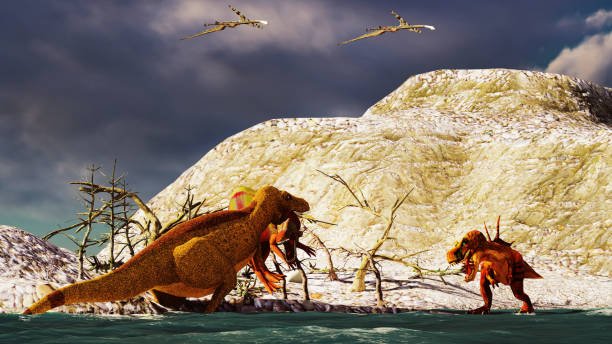
Dinosaurs have always captured human imagination, and among the vast array of prehistoric creatures, Hastovenator stands out as a fascinating example of evolutionary adaptation. This lesser-known predator, though not as famous as the Tyrannosaurus rex or Velociraptor, offers valuable insights into the complex ecosystem of the Early Cretaceous period. In this article, we will explore the origins, characteristics, and significance of Hastovenator, offering a comprehensive look at a creature that continues to intrigue paleontologists and dinosaur enthusiasts alike.
The Discovery of Hastovenator
The first fossils of Hastovenator were uncovered in Australia, revealing a dinosaur that thrived approximately 125 million years ago. Its discovery helped bridge gaps in the fossil record, providing evidence about the diversification of megaraptorid theropods. Paleontologists were particularly fascinated by its unique skeletal features, which combined traits seen in both primitive and advanced theropods.
The name “Hastovenator” reflects its predatory nature, with “hasta” meaning spear in Latin, likely referring to its sharp claws and hunting adaptations, while “venator” translates to hunter. This name aptly captures the essence of a swift, agile predator capable of hunting smaller prey with precision.
Physical Characteristics of Hastovenator
Hastovenator was a medium-sized theropod, estimated to reach lengths of around 4–6 meters. Its skeletal structure indicates a lightweight build optimized for speed, with long hind limbs supporting a running lifestyle. Unlike some of its larger cousins, Hastovenator relied on agility and strategy rather than brute strength to capture prey.
Key physical traits include:
-
Sharp Claws: The forelimbs possessed curved claws ideal for grasping prey.
-
Skull and Teeth: Its skull featured a combination of serrated and sharp teeth, suitable for slicing through flesh.
-
Tail: A long, muscular tail provided balance during rapid movement and sudden turns.
These features collectively point to a predator adapted for hunting in a variety of environments, from dense forests to open plains.
Habitat and Diet
Hastovenator inhabited what is now Australia during the Early Cretaceous period, a time when the continent was part of the supercontinent Gondwana. The landscape consisted of lush forests, river systems, and open floodplains. Such diverse habitats offered ample hunting opportunities for an opportunistic predator like Hastovenator.
Its diet likely consisted of smaller dinosaurs, reptiles, and possibly early mammals. Fossil evidence suggests that Hastovenator may have been both a solitary hunter and a scavenger, taking advantage of available resources when necessary. Its adaptability in diet and hunting strategy was key to its survival in a competitive ecosystem.
Significance in Paleontology
The study of Hastovenator has provided paleontologists with critical insights into theropod evolution. Its skeletal structure exhibits a blend of primitive and advanced features, helping scientists understand how megaraptorids evolved into highly efficient predators.
Additionally, Hastovenator offers clues about the biogeography of Gondwana, showing how dinosaurs dispersed across ancient landmasses. The discovery of its fossils also emphasizes the importance of Australia in paleontological research, a region that continues to yield significant dinosaur finds.
Behavior and Social Structure
While direct evidence of behavior is rare, comparisons with closely related species suggest that Hastovenator might have exhibited complex hunting strategies. Its agile build and sharp claws indicate a predator capable of stalking and ambushing prey. Some scientists hypothesize that Hastovenator may have also displayed territorial behavior, protecting hunting grounds from competitors.
Additionally, its moderate size suggests that it may have occasionally cooperated in small groups to hunt larger prey, although solitary hunting was likely more common.
Hastovenator in Modern Culture
Although not as widely known as other dinosaur species, Hastovenator has begun to appear in educational materials, documentaries, and digital reconstructions. Its fascinating anatomy and predatory lifestyle make it an excellent subject for teaching evolutionary biology and paleontology. Museums showcasing its fossil remains have contributed to public interest, encouraging new generations to explore the world of dinosaurs.
Conclusion
Hastovenator is more than just another dinosaur species; it represents a vital chapter in the story of prehistoric life. Its discovery and study provide invaluable insights into the evolution, adaptation, and survival strategies of theropod dinosaurs. As research continues, Hastovenator will undoubtedly play a key role in helping scientists understand the complexity of Early Cretaceous ecosystems and the evolutionary pathways that shaped modern life.
By exploring creatures like Hastovenator, we not only uncover the secrets of the past but also enrich our understanding of life’s resilience and adaptability.
Frequently Asked Questions (FAQs)
1. What period did Hastovenator live in?
Hastovenator lived during the Early Cretaceous period, approximately 125 million years ago.
2. Where were Hastovenator fossils discovered?
Fossils were primarily found in Australia, shedding light on dinosaur diversity in Gondwana.
3. How big was Hastovenator?
Hastovenator was a medium-sized theropod, measuring roughly 4–6 meters in length.
4. What did Hastovenator eat?
It was carnivorous, preying on smaller dinosaurs, reptiles, and possibly early mammals.
5. Why is Hastovenator important to paleontology?
Its unique blend of primitive and advanced features helps scientists understand theropod evolution and the ancient ecosystems of Gondwana.