
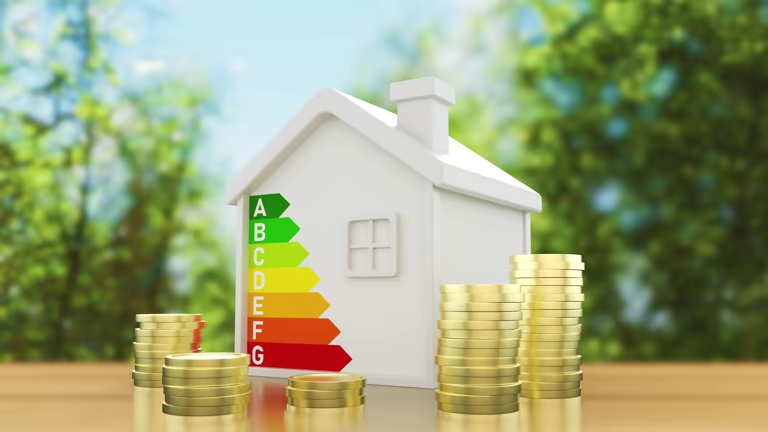
Designing an energy-efficient home isn’t just about reducing your carbon footprint—it’s about creating a comfortable space and saving on utility bills. By making smart choices in window placement, appliances, materials, and insulation, you can significantly lower heating, cooling, and electricity costs. This guide will show you how to build a home that’s better for the environment and your wallet.
Let the Sunshine In: Smart Window Placement
Windows do more than just provide a view; they are a critical component of your home’s energy system. Strategic placement can drastically reduce your reliance on artificial lighting and heating. The goal is to maximize natural light and harness the sun’s warmth during the winter while avoiding excessive heat gain in the summer.
Maximizing Natural Light
To make the most of daylight, orient your main living areas with large, south-facing windows. In the Northern Hemisphere, this allows for the maximum amount of sunlight to enter your home throughout the day, especially during the winter when the sun is lower in the sky. This passive solar heating can significantly reduce your heating costs. Consider using light-colored interior walls and surfaces to reflect this natural light deeper into your rooms, making them feel brighter and more open.
Preventing Summer Heat
While winter sun is a welcome guest, summer sun can be an intruder that drives up air conditioning costs. To manage this, you can use several design strategies. Overhangs, awnings, and strategically planted deciduous trees can provide shade for south-facing windows during the hot summer months when the sun is high. For east and west-facing windows, which are more susceptible to intense morning and afternoon sun, consider using fewer or smaller windows. Installing high-performance windows with low-emissivity (Low-E) coatings can also help by reflecting infrared light, keeping heat out in the summer and in during the winter.
Power Down: The Benefits of Energy-Efficient Appliances
Your home’s appliances account for a significant portion of your energy bill. Choosing energy-efficient models is one of the easiest ways to cut down on consumption without sacrificing performance. When shopping for new refrigerators, washing machines, dishwashers, and other appliances, look for the ENERGY STAR® label.
Appliances with this certification are independently verified to meet strict energy efficiency guidelines set by the U.S. Environmental Protection Agency. An ENERGY STAR-certified refrigerator, for example, uses about 9% less energy than a standard model. A certified clothes washer uses about 25% less energy and 33% less water. While these models might sometimes have a higher initial price, the savings on your utility bills over the appliance’s lifetime will often more than make up for the difference. These small upgrades add up, leading to substantial savings and a reduced environmental impact year after year.
Build Smarter: Using Sustainable Materials
The materials you use to build your home have a lasting impact on its energy efficiency and overall carbon footprint. Sustainable building materials are sourced responsibly, are durable, and often have inherent properties that contribute to a more energy-efficient home.
Eco-Friendly Choices
Materials like bamboo, reclaimed wood, and recycled steel are excellent sustainable options. Bamboo is a fast-growing grass that regenerates quickly, making it a highly renewable resource for flooring and cabinetry. Reclaimed wood gives old timber a new life, reducing waste and adding unique character to your home. When it comes to roofing, durable options like steel roof panels not only last longer than traditional materials but can also be coated to reflect solar heat, reducing cooling costs.
Material Health and Performance
Beyond their environmental credentials, many sustainable materials offer superior performance. For instance, flooring made from cork is an excellent natural insulator and is harvested from the bark of cork oak trees without harming them. Using low-VOC (Volatile Organic Compound) paints and finishes also improves indoor air quality, creating a healthier living environment for you and your family. By choosing materials thoughtfully, you contribute to a healthier planet and a more efficient, comfortable home.
Seal the Deal: Superior Insulation Techniques
Insulation is your home’s first line of defense against the elements. It acts as a thermal barrier, keeping your home warm in the winter and cool in the summer. Without proper insulation, a significant amount of the energy used to heat and cool your home is simply lost through the walls, roof, and floors. This makes it one of the most critical investments in an energy-efficient design.
Choosing the Right Insulation
There are many types of insulation available, each with its own advantages.
- Fiberglass: This is one of the most common and affordable options, often found in batts and rolls.
- Spray Foam: This type of insulation expands to fill gaps and cracks, creating an airtight seal that is highly effective at preventing air leakage.
- Cellulose: Made from recycled paper, cellulose is a sustainable choice that can be blown into wall cavities and attics.
The effectiveness of insulation is measured by its R-value, which indicates its resistance to heat flow. The higher the R-value, the better the insulation. Your local climate will determine the recommended R-value for different parts of your home.
Don’t Forget to Seal Air Leaks
Even the best insulation won’t be fully effective if your home has air leaks. Gaps and cracks around windows, doors, and electrical outlets can allow conditioned air to escape and outside air to enter. Before installing insulation, it’s crucial to seal these leaks with caulk, weatherstripping, or spray foam. A well-insulated and properly sealed home envelope is the foundation of energy efficiency, ensuring year-round comfort and lower energy bills.
Conclusion
Building an energy-efficient home is a smart investment in your comfort, finances, and the planet. By implementing strategies like optimizing for natural light, choosing efficient appliances, using sustainable materials, and ensuring proper insulation, you can significantly cut your energy use. These choices lead to a home that’s cheaper to run, more comfortable, and healthier.