
Introduction
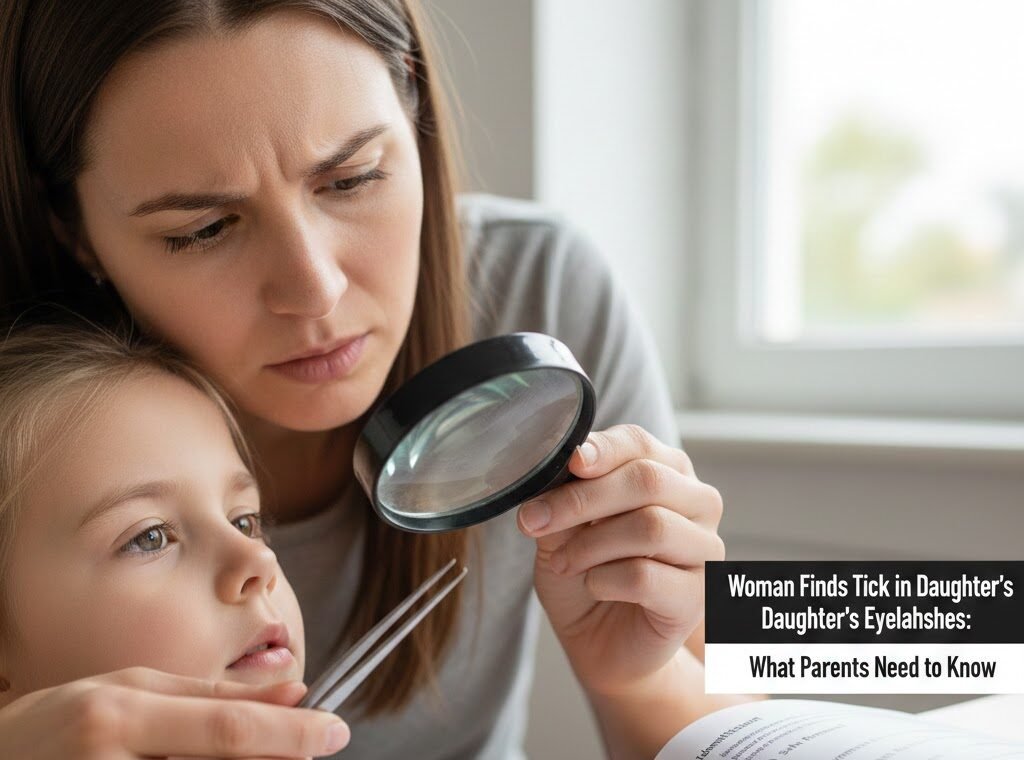
In a shocking yet increasingly reported incident, a woman finds a tick in her daughter’s eyelashes, raising awareness about the surprising ways ticks can affect children. While ticks are commonly associated with outdoor areas such as forests and gardens, this incident reminds parents that these tiny parasites can attach themselves to unexpected places on the body, including sensitive areas like the eyelashes. Understanding how to identify, safely remove, and prevent tick infestations is critical for every parent.
How Ticks End Up in Unusual Places
Ticks are small arachnids that feed on blood, and they are naturally drawn to areas of the body where the skin is thin or blood vessels are close to the surface. While most tick bites occur on the scalp, neck, and limbs, unusual cases like a tick in the eyelashes demonstrate their adaptability.
Common Ways Children Encounter Ticks
-
Outdoor Play: Parks, fields, and wooded areas are the most common sources.
-
Pets: Cats and dogs can carry ticks indoors.
-
Gardening or Yard Work: Kids helping in gardens or playing near shrubs can pick up ticks.
-
Infested Clothing or Gear: Ticks can hitch a ride on backpacks, hats, or sports equipment.
Why Eyelashes Are Rare but Vulnerable
Ticks generally prefer warm, moist areas. Eyelashes are close to the eyes, offering warmth and easy access to blood. This rarity, however, doesn’t make it impossible—especially when children play in tick-infested areas or pets are involved.
Symptoms and Risks of a Tick on the Eyelashes
When a woman finds a tick in her daughter’s eyelashes, immediate attention is essential. The symptoms may include:
-
Mild irritation or itching
-
Redness around the eyelid or lash line
-
Swelling or tenderness
-
Rarely, infection or fever if the tick carries a pathogen
Potential Health Risks
Ticks can transmit serious diseases, such as:
-
Lyme disease
-
Rocky Mountain spotted fever
-
Tularemia
-
Anaplasmosis
While eyelash ticks are uncommon, they can still transmit pathogens, making prompt removal crucial.
Safe Tick Removal Methods for Eyelashes
Removing a tick from the eyelashes requires caution. Parents should avoid home remedies like burning or squeezing, which can push infectious material deeper.
Step-by-Step Safe Removal
-
Wash Hands and Prepare Tools: Use clean tweezers or a fine-tipped applicator.
-
Stabilize the Eye: Gently hold the eyelid and lashes.
-
Grasp the Tick Close to the Skin: Ensure you are holding the tick by the head, not the body.
-
Pull Steadily and Straight: Avoid twisting or jerking.
-
Clean the Area: Wash with mild soap and water, then disinfect.
-
Monitor for Symptoms: Watch for redness, swelling, or fever over the next two weeks.
Important Note: If the tick is deeply embedded or the child shows discomfort, consult a pediatrician or ophthalmologist immediately.
Prevention: Protecting Children from Ticks
Prevention is always better than cure. Parents should implement these strategies to reduce the risk of tick encounters:
Outdoor Safety Tips
-
Dress children in long sleeves and pants when in wooded or grassy areas.
-
Tuck pants into socks for extra protection.
-
Use EPA-approved tick repellents on skin and clothing.
-
Teach kids to avoid sitting directly on the ground or brush.
Pet and Home Safety
-
Regularly check pets for ticks and use vet-recommended preventatives.
-
Keep grass trimmed and shrubs maintained in yards.
-
Wash and inspect outdoor clothing after playtime.
Routine Checks
-
Perform a full-body tick check after outdoor activities.
-
Pay attention to hidden areas like scalp, behind ears, under arms, and near the eyelids.
What to Do After Tick Exposure
Even after safe removal, it’s important to remain vigilant:
-
Save the Tick (Optional): Place it in a sealed container for identification.
-
Observe for Symptoms: Fever, rash, or flu-like symptoms may indicate disease.
-
Consult Healthcare Professionals: If symptoms appear or if unsure about removal.
Psychological Impact on Children
A woman finds a tick in her daughter’s eyelashes, and it can be alarming for both the parent and child. Explaining the situation calmly helps reduce fear. Teach children that ticks are tiny insects that can be removed safely, and assure them that most tick bites are not dangerous if treated promptly.
Conclusion
The rare yet unsettling incident where a woman finds a tick in her daughter’s eyelashes serves as a reminder that ticks are versatile and persistent parasites. Awareness, preventive measures, and safe removal techniques are crucial for parents. By following these guidelines, families can significantly reduce the risk of tick-borne illnesses and ensure children remain safe while enjoying outdoor activities. Vigilance, education, and proactive care are the best defenses against these hidden threats.
FAQs
1. Can a tick in the eyelashes cause serious illness?
Yes, ticks can transmit diseases like Lyme disease and Rocky Mountain spotted fever, even from rare locations such as eyelashes. Prompt removal and medical consultation are essential.
2. How do I remove a tick safely from my child’s eyelid?
Use fine-tipped tweezers, grasp the tick by the head, pull steadily, disinfect the area, and monitor for symptoms. Seek professional help if necessary.
3. How can I prevent ticks from attaching to my child?
Dress them in long clothing, use tick repellents, check pets, maintain yard hygiene, and inspect children after outdoor activities.
4. Should I be worried if my child was bitten by a tick but shows no symptoms?
Monitor for two weeks for symptoms like rash, fever, or fatigue. Even if asymptomatic, consult a doctor if you’re unsure.
5. Can ticks be found indoors?
Yes, ticks can hitch a ride on pets, clothing, or gear. Regular inspections, cleaning, and pet care help minimize the risk.