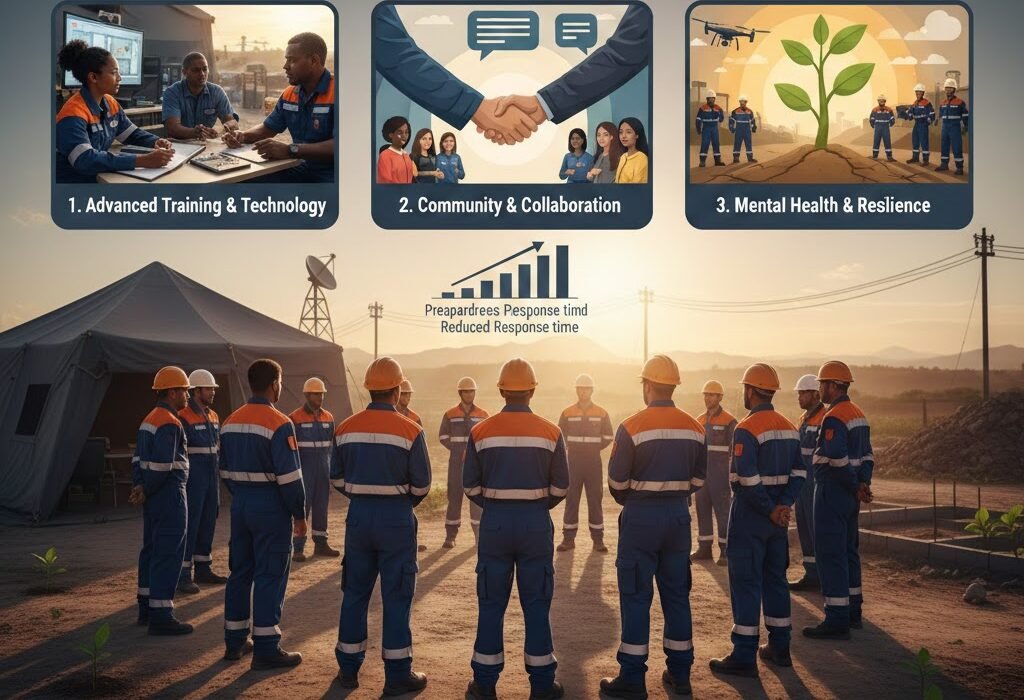
Disasters, whether natural or man-made, strike unexpectedly, often leaving chaos and devastation in their wake. The frontline heroes who tackle these crises are the disaster management crew. Their role is critical, yet challenging, demanding preparedness, skill, and resilience. A crucial question arises: how can we empower the disaster management crew to respond more efficiently, protect communities, and save lives? Empowerment goes beyond basic training; it involves equipping teams with resources, technology, psychological support, and decision-making authority. In this article, we explore practical strategies to enhance the effectiveness and resilience of disaster management personnel.
Understanding the Role of the Disaster Management Crew
Disaster management crews are specialized teams tasked with mitigating, responding to, and recovering from disasters. Their responsibilities include:
-
Emergency response: Providing immediate assistance to affected populations.
-
Search and rescue operations: Locating and rescuing victims from hazardous environments.
-
Medical aid and relief: Offering essential healthcare and supplies to disaster victims.
-
Risk assessment and prevention: Evaluating vulnerabilities and preparing strategies to reduce future risks.
Given the high stakes, empowering these professionals is not optional—it is imperative.
Key Challenges Faced by Disaster Management Teams
Before exploring empowerment strategies, it’s important to recognize the hurdles disaster management crews encounter:
-
Limited resources: Shortages of equipment, vehicles, and emergency supplies often hinder rapid response.
-
High-stress environments: Constant exposure to traumatic situations can affect mental health and decision-making.
-
Communication gaps: Inefficient information flow between teams, agencies, and the public can create delays.
-
Lack of advanced training: Traditional training may not cover emerging disaster scenarios like cyber-attacks or climate-related emergencies.
-
Bureaucratic constraints: Rigid protocols can slow decision-making during critical moments.
Addressing these challenges is the foundation of empowering disaster management crews.
Comprehensive Training Programs
One of the most effective ways to empower disaster management teams is through comprehensive training. Training should focus on:
-
Scenario-based drills: Simulating realistic disaster situations helps crews practice swift decision-making.
-
Technical skills: Training on modern rescue tools, GIS mapping, drone operations, and emergency medical procedures enhances efficiency.
-
Leadership development: Developing leadership and crisis management skills ensures better coordination under pressure.
-
Cross-disciplinary training: Exposure to different disaster scenarios, including floods, wildfires, earthquakes, and pandemics, improves adaptability.
By investing in continuous, updated training, we can enhance the knowledge, confidence, and readiness of disaster management personnel.
Leveraging Technology for Effective Disaster Management
Technology plays a pivotal role in modern disaster response. Empowering the crew with technological tools includes:
-
Real-time communication systems: Radios, satellite phones, and emergency apps improve coordination.
-
Drones and surveillance: Drones provide aerial views of disaster zones, helping prioritize rescue operations.
-
Geospatial Information Systems (GIS): GIS maps aid in identifying high-risk areas and planning evacuation routes.
-
Early warning systems: Alerts for hurricanes, floods, or earthquakes give crews and communities crucial preparation time.
Integrating technology not only improves operational efficiency but also enhances safety for the disaster management team.
Strengthening Community Engagement
A disaster management crew cannot operate in isolation. Engaging the community is crucial:
-
Public awareness campaigns: Educating citizens on disaster preparedness reduces panic and improves cooperation during emergencies.
-
Volunteer support: Training local volunteers extends manpower and resources.
-
Collaborative networks: Partnering with NGOs, hospitals, and government agencies ensures a cohesive response.
Empowering crews to collaborate with the public fosters a sense of shared responsibility and resilience.
Providing Psychological and Emotional Support
Disaster response is physically demanding, but the psychological burden can be equally heavy. Strategies to empower crews emotionally include:
-
Regular counseling sessions: Addressing trauma and stress prevents burnout and enhances mental resilience.
-
Peer support programs: Encouraging team members to support each other improves morale.
-
Mindfulness and stress management training: Techniques like meditation or guided breathing help maintain focus in high-pressure situations.
Prioritizing mental health ensures crews remain effective during prolonged disaster situations.
Ensuring Adequate Resources and Infrastructure
A well-equipped team is an empowered team. This includes:
-
Reliable transportation: Rescue vehicles, boats, and helicopters must be readily available.
-
Emergency supplies: Adequate food, water, medical kits, and protective gear are essential.
-
Operational hubs: Strategically located command centers enhance coordination.
-
Funding and policy support: Government budgets and policies should prioritize disaster management infrastructure.
Resource availability directly influences the speed, efficiency, and effectiveness of disaster response efforts.
Promoting Leadership and Decision-Making Authority
Empowerment also comes from giving crews the authority to act decisively:
-
Decentralized decision-making: Teams should have autonomy to make critical decisions on the ground.
-
Leadership training programs: Training officers in decision-making under uncertainty improves overall team performance.
-
Accountability frameworks: Clear roles and responsibilities prevent confusion and ensure efficiency.
Strong leadership within the team translates into better coordination and successful disaster management.
Encouraging Innovation and Adaptability
Disasters are unpredictable, requiring creative solutions:
-
Innovation labs: Testing new tools and strategies prepares crews for emerging challenges.
-
Feedback mechanisms: Teams should be encouraged to share lessons learned for continuous improvement.
-
Adaptable protocols: Flexible procedures allow teams to adjust strategies during unforeseen situations.
By fostering innovation, disaster management crews can respond more effectively to evolving threats.
Integrating Policy Support and Government Initiatives
Government and organizational backing is essential to empower disaster management crews. This can include:
-
Legislation for emergency management: Laws that streamline operations and provide legal protection for crews.
-
Funding for research and equipment: Ensures crews have access to state-of-the-art technology.
-
National disaster preparedness programs: Coordinated strategies improve readiness and response efficiency.
Supportive policies give crews the authority, resources, and confidence to act decisively.
Conclusion
Empowering disaster management crews is a multifaceted endeavor. It requires investments in training, technology, mental health, resources, leadership, and community collaboration. By addressing challenges holistically, we can ensure disaster management teams are not only equipped to respond to emergencies but also resilient in the face of adversity. In the modern era of climate change, urbanization, and unpredictable disasters, empowering these crews is not just beneficial—it is essential for safeguarding lives and communities.
Frequently Asked Questions (FAQs)
1. Why is empowering disaster management crews important?
Empowered crews are more effective, efficient, and resilient, ensuring rapid response and minimizing disaster impact on communities.
2. How can technology help disaster management teams?
Technology aids in real-time communication, mapping, early warnings, drone surveillance, and data-driven decision-making.
3. What role does mental health play in disaster management?
Disaster response is stressful; prioritizing mental health prevents burnout, improves focus, and ensures sustainable performance.
4. How can communities support disaster management crews?
Through volunteer programs, public awareness campaigns, and collaboration with NGOs and government agencies.
5. What policies can empower disaster management personnel?
Policies that provide funding, legal protection, infrastructure, and national disaster preparedness programs strengthen the efficiency and reach of disaster management teams.