



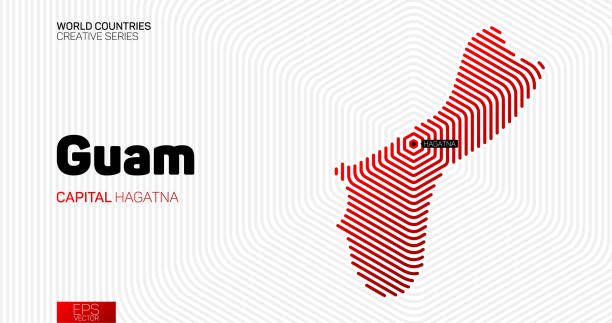
Introduction to Oceania Guam
Oceania Guam represents one of the most fascinating and strategically important locations in the Pacific region. Situated in Micronesia, Guam is a U.S. territory that blends island traditions with modern global influence. Known for its stunning beaches, deep-rooted Chamorro culture, and geopolitical significance, Oceania Guam holds a unique place within the broader Oceania region.
Unlike many islands in the Pacific, Guam is not just a tourist destination—it is a cultural crossroads, military hub, and economic center. From ancient heritage to modern development, this island continues to shape Oceania’s identity in remarkable ways.
This guide explores the geography, history, culture, economy, and future relevance of Oceania Guam in a clear, informative, and engaging manner.
Geographical Overview of Oceania Guam
Location and Regional Importance
Oceania Guam lies in the western Pacific Ocean, positioned between Asia and Australia. It is the southernmost island of the Mariana Islands and serves as a gateway connecting East Asia with the Pacific.
Because of its location, Oceania Guam has long been a center for trade routes, military logistics, and cultural exchange. It sits closer to Asia than mainland America, giving it a unique geopolitical role.
Climate and Natural Landscape
The island enjoys a tropical climate, characterized by warm temperatures year-round and seasonal rainfall. Lush forests, coral reefs, limestone cliffs, and white sandy beaches define the landscape of Oceania Guam.
Natural features include:
-
Volcanic hills in the south
-
Coral plateaus in the north
-
Rich marine biodiversity
-
Fertile land supporting agriculture
This natural diversity makes Guam both environmentally significant and visually stunning.
Historical Background of Oceania Guam
Ancient Chamorro Civilization
The story of Oceania Guam begins thousands of years ago with the Chamorro people, the island’s indigenous inhabitants. Archaeological evidence suggests human settlement as early as 2000 BCE.
One of the most iconic symbols of ancient Chamorro culture is the latte stone, massive limestone pillars used as building foundations. These structures remain a powerful reminder of Guam’s early civilization.
Colonial Influence and Global Powers
Oceania Guam has experienced multiple waves of foreign influence:
-
Spanish colonization began in the 16th century
-
American control followed the Spanish-American War in 1898
-
Japanese occupation occurred during World War II
-
U.S. governance resumed after liberation
Each era shaped the island’s architecture, language, religion, and political system, creating a layered historical identity.
Cultural Identity of Oceania Guam
Chamorro Traditions and Language
Despite centuries of external influence, Chamorro culture remains strong. Traditional values such as family respect, community unity, and hospitality are central to daily life in Oceania Guam.
The Chamorro language is still spoken and actively preserved through education and media. Cultural festivals, storytelling, and traditional music continue to thrive across generations.
Food, Music, and Celebrations
Cuisine in Oceania Guam reflects its multicultural history, blending indigenous ingredients with Spanish and Asian flavors. Popular dishes include:
-
Red rice
-
Kelaguen
-
Barbecue meats
-
Coconut-based desserts
Music and dance play an essential role during village fiestas, religious events, and national celebrations, reinforcing cultural pride.
Economic Landscape of Oceania Guam
Tourism as an Economic Pillar
Tourism remains one of the strongest drivers of Guam’s economy. Visitors from Japan, South Korea, and the United States are drawn to Oceania Guam for its beaches, shopping, and cultural experiences.
Key tourism attractions include:
-
Tumon Bay
-
Historical war sites
-
Cultural villages
-
Marine sports and diving
Tourism also supports small businesses, hospitality services, and cultural preservation efforts.
Military and Strategic Role
Another defining feature of Oceania Guam is its strategic military presence. U.S. military bases contribute significantly to the island’s economy through employment, infrastructure investment, and regional security.
This strategic importance positions Guam as a key player in Pacific defense and international relations.
Modern Infrastructure and Development in Oceania Guam
Transportation and Connectivity
Oceania Guam is home to an international airport that connects the island to major cities across Asia and the Pacific. Its ports support shipping, trade, and military operations.
Modern road networks, telecommunications, and utilities allow the island to function as a regional hub despite its remote location.
Education and Healthcare
The island offers access to quality education through public and private institutions, including the University of Guam. Healthcare facilities continue to expand, combining local services with U.S. medical standards.
These developments improve quality of life and attract professionals to the region.
Environmental Challenges and Sustainability in Oceania Guam
Climate Change and Natural Risks
Like many Pacific islands, Oceania Guam faces environmental threats such as:
-
Rising sea levels
-
Coral reef degradation
-
Typhoons
-
Coastal erosion
These challenges require proactive planning and regional cooperation to ensure long-term sustainability.
Conservation and Community Efforts
Local organizations and government agencies are actively promoting conservation. Marine reserves, reef protection programs, and sustainable tourism initiatives aim to preserve Guam’s natural resources.
Community involvement plays a vital role in balancing economic growth with environmental responsibility.
Political Status and Global Relations of Oceania Guam
Territorial Governance
Oceania Guam is an unincorporated territory of the United States. Residents are U.S. citizens, though they do not vote in presidential elections.
Local governance allows for self-administration while maintaining ties to U.S. federal systems.
Regional and International Influence
Guam’s position strengthens diplomatic and economic ties within the Asia-Pacific region. It often serves as a meeting point for regional cooperation, disaster response, and defense coordination.
This dual identity enhances Guam’s relevance on the global stage.
Future Outlook of Oceania Guam
The future of Oceania Guam lies in sustainable growth, cultural preservation, and regional leadership. Investments in renewable energy, eco-tourism, education, and technology are shaping the island’s next chapter.
As global attention shifts toward the Pacific, Guam’s strategic, cultural, and economic value will continue to rise.
Strong Conclusion
Oceania Guam is far more than a tropical island—it is a living example of resilience, cultural pride, and global relevance. From ancient Chamorro roots to modern strategic importance, the island stands at the crossroads of history and progress.
Its unique blend of tradition and innovation positions Oceania Guams as a key contributor to the Pacific region’s future. By embracing sustainability, honoring heritage, and strengthening global partnerships, Guam continues to thrive as a vital part of Oceania.
FAQs About Oceania Guam
1. What makes Oceania Guam unique within the Pacific region?
Oceania Guams stands out due to its blend of indigenous Chamorro culture, U.S. governance, and strategic Pacific location.
2. Is Oceania Guam part of the United States?
Yes, Guam is an unincorporated U.S. territory, and its residents are U.S. citizens.
3. What languages are spoken in Oceania Guam?
English and Chamorro are the primary languages, with Chamorro being culturally significant.
4. Why is Oceania Guam strategically important?
Its location in the western Pacific makes it a vital hub for military operations, trade, and regional security.
5. What are the biggest challenges facing Oceania Guam today?
Environmental risks, climate change, and balancing development with cultural preservation are key challenges.