Introduction: What Is a Private Freight Terminal and Why It Matters
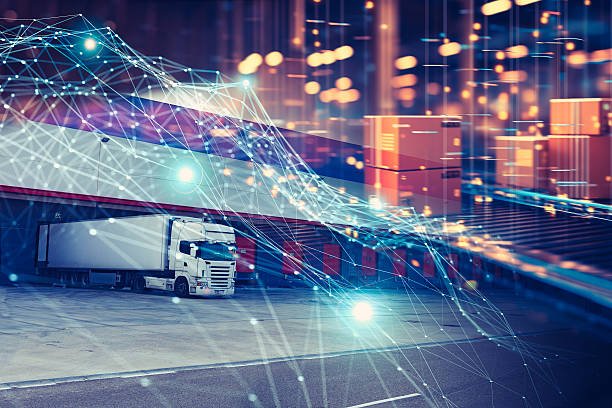
A private freight terminal is a dedicated logistics facility owned or controlled by a single company to manage its cargo handling, storage, and transportation processes. Unlike public terminals that serve multiple clients, these private hubs are tailored to the precise operational needs of one business, offering higher control, reduced costs, and improved turnaround times. In today’s global supply chain, where complexity and customer expectations are rising, the role of a private freight terminal has become increasingly strategic — enabling companies to stay competitive, agile, and resilient.
Understanding Private Freight Terminals
What Defines a Private Freight Terminal?
At its core, a private freight terminal is a logistics node where freight is received, sorted, stored, and distributed under the direct governance of a single enterprise. This facility can include warehouses, trucking yards, rail sidings, container handling equipment, and security zones — all configured to streamline internal supply chain needs.
Private terminals differ from public freight terminals primarily in terms of exclusivity, customizability, and operational focus. While public facilities serve a broad range of carriers and customers, a private freight terminal exists to bolster one company’s end‑to‑end freight movement.
Key Features of a Private Freight Terminal
1. Custom Designed Infrastructure
Unlike general facilities, private terminals are engineered based on a company’s freight volume, type of goods, peak demand patterns, and transport modes (truck, rail, air, etc.). This tailored design enhances workflow efficiency and minimizes bottlenecks.
2. Dedicated Access to Transportation Networks
Private freight terminals often secure dedicated entry points for truck lines or even direct rail connections. This reduces congestion, avoids shared scheduling constraints, and leads to faster loading and unloading.
3. Integrated Technology Systems
Modern private freight terminals deploy advanced logistics systems such as:
-
Warehouse Management Systems (WMS)
-
Real‑time tracking and IoT sensors
-
Automated sorting and container handling
These technologies improve visibility, accuracy, and responsiveness.
4. Enhanced Security and Compliance
Since only authorized personnel and vehicles operate within private terminals, security is inherently stronger. Many facilities employ biometric access systems, CCTV monitoring, and compliance protocols to meet industry regulations.
The Benefits of Operating a Private Freight Terminal
Greater Operational Efficiency
With logistics activities consolidated under one umbrella, companies can streamline freight flows, reduce handling times, and improve delivery reliability. This efficiency often translates into faster order fulfillment and higher customer satisfaction.
Cost Control and Savings
Although establishing a private freight terminal involves upfront investment, the long‑term savings can be significant:
-
Lower handling fees compared to public terminals
-
Reduced demurrage and detention costs
-
Better negotiation leverage with carriers
These savings are especially impactful for large volume shippers or companies with consistent freight demand.
Improved Supply Chain Visibility
Centralizing cargo operations at a private facility allows businesses to monitor inventory, transit points, and delivery statuses from a single dashboard. Enhanced visibility reduces errors, improves forecasting, and supports proactive decision‑making.
Enhanced Security and Risk Management
By limiting terminal access and applying stringent security measures, companies reduce theft, damage, and compliance risks. This is particularly important for high‑value goods like electronics, pharmaceuticals, and luxury products.
Scalability and Flexibility
Private freight terminals can be scaled up or reconfigured as business needs evolve. Whether expanding capacity, introducing new product lines, or adapting to seasonal fluctuations, the flexibility of a private terminal empowers long‑term growth.
How a Private Freight Terminal Operates
Freight Inbound Processing
When freight arrives at a private terminal — by truck, rail, or intermodal vehicles — it is first checked against shipment manifests. This inbound process includes:
-
Verification of cargo integrity
-
Inspection for damage or compliance issues
-
Digital logging into the WMS
This step establishes accurate tracking from the moment cargo enters the system.
Sorting and Storage
Once processed, shipments are sorted based on destination, mode of transport, or handling requirements. Goods may be stored temporarily in:
-
Pallet racks
-
Bulk storage zones
-
Specialized climate‑controlled areas
Advanced terminals use automated systems to route freight efficiently.
Outbound and Distribution Management
On the outbound side, the terminal plans delivery schedules, allocates freight to vehicles, and executes load sequencing for movement. Real‑time data supports route planning, reduces idle time, and ensures timely delivery to final destinations.
Technology Trends in Private Freight Terminals
1. Internet of Things (IoT) and Real‑Time Monitoring
IoT sensors now track cargo health, temperature, and location throughout the terminal. These devices alert teams to disruptions and help maintain quality standards — especially for perishables and sensitive goods.
2. Autonomous Vehicles and Robotics
Robotic loaders, automated guided vehicles (AGVs), and driverless yard trucks are transforming terminal operations by reducing labor costs and improving precision. These technologies operate safely within controlled terminal environments.
3. Artificial Intelligence (AI) and Predictive Analytics
AI tools forecast demand patterns, optimize inventory placement, and enhance workflow scheduling. Predictive models improve resilience by suggesting adjustments before delays occur.
4. Blockchain for Enhanced Transparency
Blockchain solutions create tamper‑proof records of freight movement. This technology helps companies maintain transparency across stakeholders, from suppliers to end customers.
Challenges and Solutions in Managing Private Freight Terminals
Operational Complexity
Running a dedicated logistics facility requires expertise in freight handling, IT systems, workforce management, and carrier coordination. To address this complexity, many companies invest in specialized training programs and collaborative planning with transport partners.
High Initial Investment
Building and equipping a private freight terminal involves capital expenditure. However, performing a thorough cost‑benefit analysis helps businesses determine long‑term return on investment and identify areas for efficiency gains.
Regulatory Compliance
Terminals must comply with safety, customs, and environmental regulations. Staying up to date with evolving rules ensures uninterrupted operations and mitigates legal risk.
Integration with External Networks
Private terminals still rely on external carriers and infrastructure. Establishing strong partnerships and standardized data exchange protocols ensures seamless integration with broader transport ecosystems.
Comparing Private and Public Freight Terminals
| Aspect | Private Freight Terminal | Public Freight Terminal |
|---|---|---|
| Accessibility | Exclusive to one company | Open to multiple users |
| Control | Full operational control | Limited control |
| Customization | Highly customizable | Standardized services |
| Cost Structure | Higher upfront cost, lower long‑term fees | Pay‑as‑you‑go pricing |
| Security | Enhanced, company‑specific | Shared, basic security |
| Flexibility | Flexible and scalable | Less adaptable |
Real‑World Use Cases: Who Benefits Most?
Large Retailers and E‑Commerce Giants
High shipment volumes, rapid delivery expectations, and complex returns make private freight terminals ideal for retailers. These facilities support omnichannel logistics and last‑mile delivery strategies.
Manufacturers and Industrial Shippers
Manufacturers dealing with heavy machinery, components, or scheduled production cycles benefit from controlled freight handling, reduced delays, and improved supply flow.
Cold Chain and Perishable Goods
Industries like pharmaceuticals and food require precise temperature control. Private freight terminals equipped with specialized storage zones ensure product quality and regulatory compliance.
Environmental Sustainability and Private Terminals
Strategic design and technology integrations in private freight terminals help reduce environmental impact. Examples include:
-
Electric terminal vehicles
-
Solar‑powered facilities
-
Waste reduction protocols
These practices support corporate sustainability goals and reduce carbon footprints.
Future Outlook for Private Freight Terminals
As global trade expands and digital transformation accelerates, private freight terminals will continue to evolve. Emerging trends likely to shape the future include:
-
Integration with smart cities
-
Greater adoption of AI and machine learning
-
Enhanced digital twin simulations
-
Seamless multimodal logistics ecosystems
These advancements will further optimize freight flow, reduce costs, and deliver real value in complex supply chains.
Conclusion: The Strategic Advantage of a Private Freight Terminal
In an increasingly competitive business environment, companies must find ways to streamline logistics, improve agility, and control costs. A private freight terminal offers these advantages by centralizing freight operations, leveraging advanced technology, and enabling greater visibility from origin to destination. Whether for large‑scale retailers, manufacturers, or specialized industries, these dedicated freight hubs represent a transformative approach to modern logistics. As digital innovation continues and supply chains become more connected, private terminals will remain critical enablers of efficiency, security, and long‑term growth.
5 Frequently Asked Questions (FAQs)
1. What is the main difference between a private freight terminal and a public freight terminal?
A private freight terminal is dedicated to a single company’s freight, offering customized operations and enhanced control, while a public freight terminal serves multiple users with standardized services.
2. How does a private freight terminal improve supply chain efficiency?
By centralizing operations, reducing handling time, providing real‑time data visibility, and optimizing transport scheduling, private terminals significantly boost overall efficiency.
3. Is building a private freight terminal worth the investment?
For high‑volume shippers and companies with complex logistics needs, the long‑term cost savings, efficiency gains, and competitive advantages often justify the initial investment.
4. Can small businesses benefit from a private freight terminal?
Smaller enterprises may find public terminals more cost‑effective initially. However, partnerships or shared private terminal models are emerging options for mid‑sized companies.
5. What technologies are transforming private freight terminals?
Key technologies include IoT sensors, automation and robotics, AI for analytics, and blockchain for secure tracking — all improving transparency, speed, and accuracy.