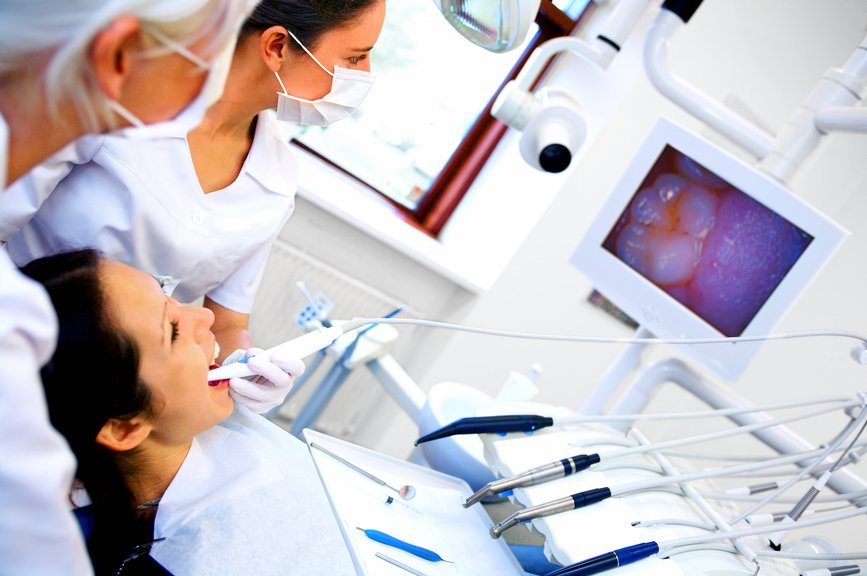
Australia’s approach to general dentistry has evolved beyond basic dental check-ups and fillings. Modern practices are embracing advanced technology and patient‑centered care, combining comfort, precision, and efficiency. Across both urban and regional areas, clinics are adopting innovations that enhance diagnostics, treatment planning, and patient experience. These advances are creating a healthcare landscape where preventative care is central, and patients enjoy faster, more accurate, and less invasive dental procedures.
Digital Tools Transforming General Dentistry
Technology has dramatically changed the way dental care is delivered. Intraoral scanners and 3D imaging systems allow dentists to capture precise models of teeth and gums without the discomfort of traditional impressions. These scans are not only more comfortable for patients but also accelerate the design and fabrication of crowns, bridges, and other dental restorations. Computer-aided design and manufacturing (CAD/CAM) technology often enables same-day restorations, reducing multiple visits and ensuring seamless treatment.
Digital radiography and diagnostic software provide high-resolution imagery while minimising radiation exposure, enabling earlier detection of decay, gum disease, and other oral health issues. With these tools, dentists can implement proactive interventions, improving outcomes and reducing the need for more invasive procedures.
Minimally Invasive Dentistry and Laser Techniques
Laser dentistry has become a prominent feature of contemporary general dentistry. Lasers allow procedures to be performed with remarkable precision, reduced bleeding, and shorter recovery times. They are especially valuable for treating gum disease, removing decayed tissue, or performing cosmetic soft-tissue adjustments. For children and anxious patients, minimally invasive treatments reduce stress and often eliminate the need for heavy anesthesia, making dental care more approachable and comfortable.
Preventive Care at the Core
The foundation of advanced dentistry lies in prevention. Regular check-ups, professional cleanings, and digital risk assessments enable early detection of dental problems. Educational technologies such as intraoral cameras allow patients to see real-time images of plaque, cavities, or gum issues, enhancing understanding and encouraging proactive oral care.
Routine preventive strategies, combined with patient education, help reduce long-term oral health costs while improving overall health outcomes. Patients who engage in preventive care experience fewer emergencies and enjoy better dental longevity.
Community Engagement and Access
While technology has transformed clinics, access to dental services across Australia remains uneven, particularly in rural and remote regions. To address this, initiatives like community outreach programs expanding general dentistry access are becoming increasingly important. These programs aim to reach under-served populations through mobile dental clinics, pop-up screenings, school partnerships, and affordable treatment options. By bringing care directly to communities, these initiatives reduce geographic, financial, and educational barriers, empowering individuals to maintain oral health and prevent disease progression.
Such outreach not only improves health outcomes but also fosters trust between communities and dental providers. Educational workshops and preventive screenings ensure that oral health awareness spreads beyond the clinic, creating long-term positive impacts on public health.
Telehealth: Bridging Gaps in Access
Telehealth solutions are also expanding access to dental care. Virtual consultations allow dentists to assess issues remotely, provide guidance for urgent concerns, and triage cases efficiently. While telehealth cannot replace hands-on procedures, it complements in-office visits, particularly for patients in remote locations or those with mobility challenges. By integrating telehealth, practices can maintain continuity of care, reduce travel burdens, and keep patients engaged in their oral health routines.
Integrating Oral and Overall Health
Contemporary general dentistry recognises the link between oral health and systemic wellbeing. Periodontal disease has connections to cardiovascular conditions, diabetes management, and pregnancy outcomes. Clinics are increasingly collaborating with medical professionals to provide integrated care, helping identify health issues that manifest orally and supporting patients’ broader wellness goals. Regular dental visits are now seen as part of preventive healthcare, not just for teeth but for overall health.
Patient-Centered Experiences
Patient experience has become a key focus. Modern clinics prioritise comfort, convenience, and transparency. Features such as online appointment scheduling, automated reminders, sedation options, and child-friendly environments help reduce anxiety and improve adherence to care plans. Personalized care plans using digital patient management systems track treatment history, preferences, and outcomes, ensuring tailored dental solutions.
Preparing for the Future
The landscape of Australian dentistry continues to evolve. Emerging technologies like artificial intelligence (AI) for diagnostics, regenerative therapies, and biocompatible restorative materials promise to enhance both patient outcomes and clinic efficiency. Digital education tools empower patients to monitor and improve oral hygiene routines at home. By embracing innovation and maintaining a focus on community health, dentistry in Australia is well-positioned to meet the growing expectations of patients nationwide.
The future of oral care in Australia will likely be characterised by a combination of advanced technology, integrated healthcare, and wider access to services. This transformation ensures that dental care is not only more precise and effective but also more inclusive, patient-friendly, and preventive-focused than ever before.