
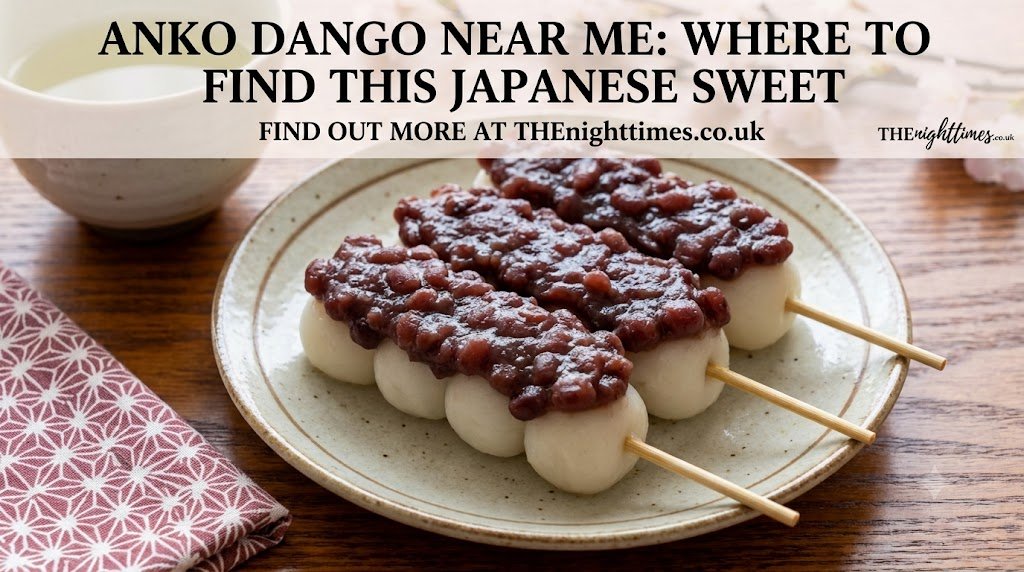
Searching for anko dango near me usually means you want more than a basic explanation of the dessert. You want to know which nearby Japanese bakery, Asian supermarket, dessert café, tea house, restaurant, or cultural event actually sells it.
That search can be surprisingly difficult. Anko dango is not always listed under that exact English name. A shop may call it an dango, red bean dango, azuki dango, shiratama with anko, or simply dango with sweet bean paste. In other cases, the same combination of chewy rice dumplings and red bean paste appears inside desserts such as anmitsu, zenzai, or oshiruko.
This article explains what authentic anko dango is, where it is most likely to be sold, which alternative search terms produce better local results, how to judge freshness, and what you can order when the exact dish is unavailable.
What Is Anko Dango?
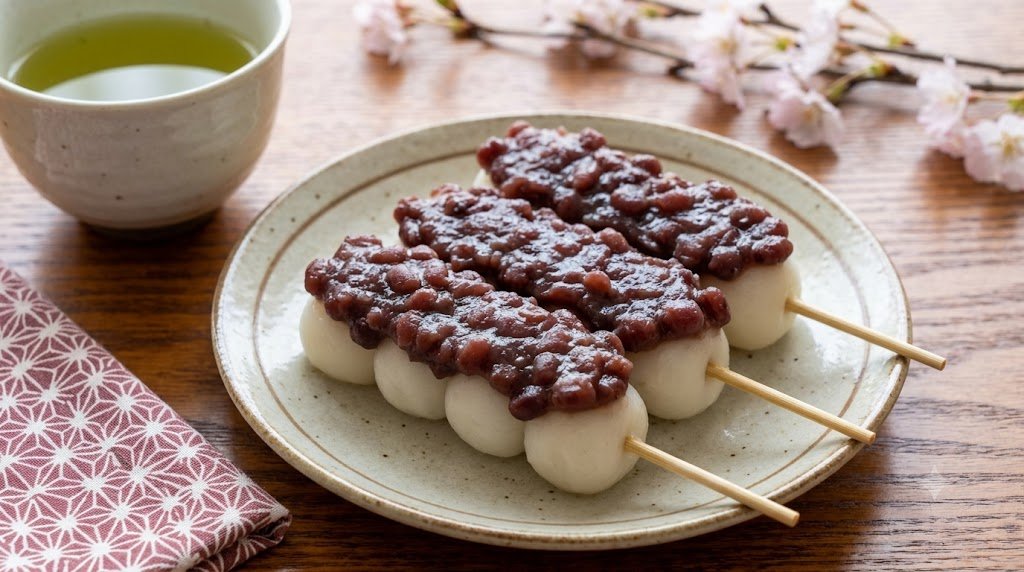
Anko dango is a traditional Japanese sweet made by serving small, chewy rice-flour dumplings with anko, a sweet paste prepared from cooked azuki beans and sugar. The dessert is part of the broader wagashi tradition, which includes Japanese confections commonly made from ingredients such as rice, beans, sugar, fruit, nuts, and plant-based starches.
The word dango refers to the round dumplings. They are commonly prepared by mixing rice flour with water, shaping the dough into balls, and boiling or steaming them. Depending on the recipe, a combination of ordinary Japanese rice flour and glutinous rice flour may be used to create a springy texture that holds its shape.
Anko is the sweet bean paste placed over, beside, or between the dumplings. Its two most common forms are:
- Tsubuan: A coarse or chunky paste containing visible pieces of azuki bean skin.
- Koshian: A smooth, strained paste with a finer and more uniform texture.
Both are authentic. Tsubuan has a fuller bean texture, while koshian feels softer and more refined. Japanese sweets may use either version depending on the shop, region, recipe, and intended presentation.
Anko dango is also commonly called an dango, written as あん団子 in Japanese. The longer term “anko dango” is widely understood in English, but searching only that wording may cause you to miss nearby businesses that use the shorter Japanese name.
What Does Anko Dango Taste Like?
The dango itself is usually mild rather than strongly sweet. Most of the sweetness comes from the red bean paste. This produces a balanced dessert in which the soft, earthy flavour of azuki beans contrasts with the plain, chewy dumplings.
Fresh dango should feel:
- Soft but not mushy
- Springy when bitten
- Slightly chewy without being rubbery
- Moist rather than dry or cracked
- Firm enough to remain on a skewer or hold its shape
Anko has a sweetness that is different from chocolate, caramel, or buttercream. It retains a noticeable bean flavour, particularly when tsubuan is used. People accustomed to very sugary Western desserts may initially find it restrained, while others may consider the bean paste rich or filling.
Shiratama dango, which is made from shiratamako glutinous rice flour, tends to be softer, bouncier, and more delicate than some firmer skewered dango varieties. It is frequently served in bowls with anko, fruit, ice cream, jelly, or sweet red bean soup.
How to Find Anko Dango Near Me
The fastest way to find anko dango near me is to search several types of businesses rather than relying on ordinary Japanese restaurants alone. Sushi restaurants and ramen shops may serve popular desserts, but traditional dango is more likely to appear at businesses specialising in Japanese confectionery or imported food.
Search Google Maps Using Different Names
Begin with the exact phrase, but do not stop when it produces few results. Try each of these searches separately:
- Anko dango near me
- An dango near me
- Red bean dango near me
- Azuki dango near me
- Japanese dango near me
- Wagashi shop near me
- Japanese sweets near me
- Japanese bakery near me
- Shiratama anko near me
- Shiratama dessert near me
- Zenzai near me
- Oshiruko near me
- Anmitsu near me
These searches work because menus are translated inconsistently. One café may write “sweet red bean rice dumplings,” while another uses only the Japanese name.
Search engines also index customer reviews, photographs, menu PDFs, delivery listings, and social media captions. A shop may therefore appear for “red bean dango” even when that wording is not shown on its main menu page.
Look for Japanese Confectionery and Wagashi Shops
A dedicated wagashi shop is one of the most promising places to find anko dango. Wagashi is the general category of traditional Japanese sweets, and dango belongs within that category. These shops may also sell dorayaki, yokan, manju, daifuku, monaka, sakura mochi, and seasonal confections.
Search for businesses described as:
- Wagashi shops
- Japanese sweet shops
- Japanese tea houses
- Matcha cafés
- Japanese bakeries
- Mochi and dessert stores
- Traditional Japanese confectioners
Do not assume that every “mochi shop” sells dango. Many modern dessert businesses use the word mochi mainly for ice cream, filled daifuku, doughnuts, or fusion products.
Check Japanese and Asian Supermarkets
Japanese grocery stores often carry dango in refrigerated, frozen, or prepared-food sections. Larger Asian supermarkets may also stock imported or locally produced versions.
Check these areas:
- Refrigerated Japanese desserts
- Frozen rice cakes and dumplings
- Prepared bento or bakery counters
- Wagashi shelves
- Seasonal food displays
- Red bean and mochi products
Frozen dango may be sold plain, allowing you to add packaged anko separately. Some stores also sell ready-made skewers with red bean paste already applied.
When searching an online supermarket catalogue, use “dango,” “rice dumpling,” “azuki,” “red bean dessert,” and “wagashi.” Searching only for “anko dango” may not match the retailer’s product title.
Search Delivery Applications Carefully
Food-delivery platforms can reveal small home bakeries, pop-up dessert sellers, and cafés that do not rank well in ordinary web searches.
Search the platform by both item and category. Useful terms include:
- Dango
- Anko
- Azuki
- Red bean
- Mochi
- Japanese dessert
- Matcha café
- Wagashi
- Shiratama
Examine the item photograph and ingredient description before ordering. Some listings use “dango” loosely for filled mochi, Korean rice cakes, Chinese glutinous rice balls, or colourful novelty sweets.
Check Recent Social Media Posts
Small Japanese bakeries often announce limited batches on Instagram, Facebook, TikTok, or local community pages instead of maintaining a complete online menu.
Search the dessert name together with your city:
- Anko dango Chicago
- An dango London
- Red bean dango Toronto
- Japanese sweets Sydney
- Wagashi Dubai
- Shiratama dessert Singapore
Pay attention to the date. A photograph posted two years ago does not prove that the item is still available. Recent posts, story highlights, tagged customer photographs, and current event announcements are more useful.
Contact the Shop Before Travelling
Dango is often produced in limited quantities because its texture changes after preparation. Shiratama dango is especially delicate and may begin losing its ideal softness relatively quickly. Refrigerated dumplings can become firm and may need reheating to restore some of their texture.
A simple question can prevent an unnecessary journey:
“Do you currently have an dango or rice dumplings served with sweet red bean paste?”
If the employee does not recognise “anko dango,” ask:
“Do you have shiratama, dango, zenzai, oshiruko, or anmitsu with red bean paste?”
Also ask whether it is available for takeaway, dine-in only, frozen, or made on specific days.
Where Is Anko Dango Most Likely to Be Available?
| Type of business | Chance of finding it | What may be listed instead | What to verify |
|---|---|---|---|
| Traditional wagashi shop | High | An dango, kushi dango, azuki dango | Daily production and sell-out time |
| Japanese supermarket | Moderate to high | Frozen dango, red bean rice dumplings | Refrigerated, frozen, or freshly prepared |
| Matcha or Japanese dessert café | Moderate | Shiratama anko, anmitsu, parfait | Whether dango can be ordered separately |
| Japanese restaurant | Low to moderate | Zenzai, oshiruko, dessert special | Current dessert menu |
| Asian supermarket | Moderate | Mochi balls, rice dumplings, azuki dessert | Country of origin and preparation method |
| Cultural festival | Moderate but seasonal | Dango skewers, wagashi plate | Event date and vendor menu |
| General bakery | Low | Red bean mochi or buns | Whether the product is actually dango |
| Delivery-only seller | Variable | Japanese mochi dessert | Freshness, ingredients, and seller reviews |
The table shows why a broad local search is more effective than checking only Japanese restaurants. The exact product may be sold as a grocery item, café topping, seasonal sweet, or festival food rather than a permanent plated dessert.
Alternative Menu Names That Can Lead to Anko Dango
An Dango
An dango is the most direct alternative name. It normally refers to dango topped or coated with sweet bean paste. The term may appear on traditional menus without the longer word “anko.”
Shiratama With Anko
Shiratama are small white dumplings made from glutinous rice flour. They may be served beside a scoop of smooth or chunky anko rather than placed on a skewer. This is one of the closest substitutes when conventional an dango is unavailable.
Zenzai
Zenzai is a sweet azuki bean preparation commonly served with mochi or shiratama dango. The exact meaning and texture vary by region in Japan. Some versions are soup-like, while others consist of thick red bean paste served with rice cakes or dumplings.
Oshiruko
Oshiruko is sweet red bean soup that may contain shiratama dango. Smooth koshian is often used, although regional and household variations exist. It is commonly served warm and may be easier to find during colder weather.
Anmitsu
Anmitsu is a cold Japanese dessert that can include agar jelly, fruit, syrup, anko, and shiratama dumplings. A café that does not offer anko dango by itself may still use both essential components in an anmitsu bowl.
Japanese Parfaits and Shaved-Ice Desserts
Some Japanese cafés add shiratama and anko to matcha parfaits, soft-serve desserts, or kakigori shaved ice. These options are less traditional than a simple dango skewer, but they provide the same contrast between chewy rice dumplings and sweet azuki paste.
Anko Dango Compared With Similar Japanese Sweets
| Sweet | Main characteristics | Sweet component | Typical presentation |
| Anko dango | Chewy rice-flour dumplings | Sweet azuki bean paste | Skewered or plated |
| Mitarashi dango | Grilled or plain dango | Sweet and savoury soy glaze | Usually served on skewers |
| Hanami dango | Pink, white, and green dumplings | Lightly sweetened dough | Three-colour skewer |
| Shiratama anko | Soft glutinous rice dumplings | Anko served beside or over them | Bowl or dessert plate |
| Daifuku | Soft rice cake surrounding a filling | Usually anko or flavoured filling | Individual filled cake |
| Zenzai or oshiruko | Red bean dessert with rice cakes or dumplings | Sweet bean soup or thick paste | Served in a bowl |
| Anmitsu | Jelly, fruit, syrup, beans, and optional dumplings | Anko and syrup | Chilled dessert bowl |
Mitarashi dango is not the same as anko dango. Its glaze generally contains soy sauce, sugar, water, and starch, creating a sweet-salty flavour instead of the earthy sweetness of azuki paste.
Hanami dango is associated with spring and cherry-blossom viewing. It is recognised by its pink, white, and green colours and normally does not depend on anko for its main flavour.
Daifuku is also frequently confused with dango. Daifuku generally encloses a filling inside a soft rice cake, while anko dango places the paste outside the dumplings. Dango and mochi may also use different preparation methods: dango is commonly shaped from flour dough and then cooked, while traditional mochi is produced from cooked glutinous rice that is pounded and shaped.
How to Tell Whether Local Anko Dango Is Fresh
Freshness affects dango more noticeably than it affects many baked desserts. A visually attractive skewer can still be dry, hard, or unpleasantly dense if it has been stored poorly.
Look at the Surface
The dumplings should appear smooth and slightly moist. Small irregularities are normal in handmade dango, but deep cracks and dried edges may indicate age or exposure to air.
Check the Texture
Fresh dango should yield when bitten and then spring back slightly. It should not crumble like a biscuit or stretch exactly like melted cheese. Excessive toughness may come from refrigeration, an unsuitable flour mixture, overcooking, or prolonged storage.
Examine the Anko
Tsubuan should have a naturally coarse texture with visible bean pieces. Koshian should look smooth and consistent. Neither should appear dried into a hard crust unless the product was intentionally prepared that way.
Consider the Temperature
Dango may be served warm, at room temperature, or chilled as part of another dessert. Cold service is not automatically a problem, but refrigeration can make some varieties firmer.
A packaged product may include reheating directions. Follow the manufacturer’s instructions instead of microwaving a sealed package or wooden skewer without checking.
Read Recent Reviews
Look for customer comments describing softness, chewiness, freshness, and same-day preparation. Generic statements such as “good dessert” reveal less than reviews that mention when it was purchased and how it was stored.
What Most Local Search Guides Miss
The Exact Product May Not Appear on the Menu
Some shops prepare plain dango for several desserts and keep anko as a separate topping. Even when “anko dango” is absent from the printed menu, the kitchen may be able to serve the two together.
Ask politely rather than assuming it is unavailable.
Fresh Dango May Be Sold Only on Certain Days
A small bakery may make wagashi for weekends, tea ceremonies, festivals, or advance orders. Calling ahead is particularly useful when travelling a long distance.
The Best Result May Be Inside Another Dessert
A matcha café may have no dango skewers but serve excellent shiratama and anko in anmitsu, kakigori, parfaits, or zenzai. Searching by ingredients rather than by one finished-product name produces more useful local results.
“Red Bean” Does Not Always Mean Azuki
Some businesses use other beans for sweet paste, especially when Japanese ingredients are difficult to source. White bean paste, mung bean paste, kidney bean fillings, and mixed bean products are not identical to traditional azuki anko.
Ask whether the paste is made from Japanese-style azuki beans when authenticity matters to you.
Dango and Mochi Are Not Interchangeable
Both foods are chewy and rice-based, but their preparation, structure, and texture can differ. A shop advertising red bean mochi may be selling filled daifuku rather than dumplings topped with anko.
Frozen Dango Is Not Necessarily Poor Quality
Freezing can make Japanese sweets available in cities without a large wagashi market. Quality depends on the recipe, freezing process, storage, and reheating method. A properly handled frozen product may be preferable to a supposedly fresh item that has remained refrigerated for several days.
Ingredients, Allergens, and Dietary Questions
Traditional anko can be made from azuki beans, sugar, water, and a small amount of salt. Basic dango recipes may contain little more than rice flour and water, although flour blends, tofu, flavourings, colours, starches, and sweeteners are also used.
Because the traditional components are plant-based, many versions are suitable for vegan diets. However, this should not be assumed. Modern café desserts may contain dairy ice cream, condensed milk, honey, gelatin, egg-based toppings, or sauces made with additional ingredients.
People avoiding gluten should also verify the complete ingredient list and cross-contact practices. Rice flour itself is different from wheat flour, but commercially prepared desserts may be produced in shared kitchens or served with sauces and toppings containing wheat.
Soy may be present in accompanying kinako powder, tofu-based dough, soy glaze, or nearby products. Sesame, nuts, dairy, and other allergens may also be handled in the same facility.
How to Eat Anko Dango Safely
Dango is deliberately chewy, so it should be eaten in manageable bites and chewed thoroughly. Take particular care when serving young children, older adults, or anyone who has difficulty chewing or swallowing.
Japan’s Consumer Affairs Agency regularly warns about choking risks associated with sticky rice cakes, especially among older adults. Dango and mochi are not identical, but their dense, chewy textures justify similar caution. Cutting dumplings into smaller pieces, eating slowly, and avoiding distracted eating are sensible precautions.
When dango is served on a skewer, do not attempt to pull several dumplings into your mouth at once. Bite or slide off one manageable portion at a time.
What to Order When Anko Dango Is Unavailable
Choose shiratama with anko for the closest match in flavour and texture.
Choose zenzai or oshiruko when you prefer a warm red bean dessert.
Choose anmitsu when you want a cold dessert with fruit, agar jelly, syrup, anko, and chewy dumplings.
Choose daifuku when the red bean filling matters more to you than the skewer or dumpling format.
Choose mitarashi dango when you mainly want to experience dango texture and do not mind replacing the bean paste with a sweet soy glaze.
Choose dorayaki, taiyaki, or manju when you want anko but cannot find dango. These sweets use red bean paste with pancake-like cakes, shaped batter, or steamed dough rather than rice dumplings.
Can You Make Anko Dango at Home?
Homemade anko dango is a practical alternative in places where Japanese sweets are difficult to find. The simplest version requires an appropriate rice flour, water, and prepared sweet red bean paste.
Dango flour, called dangoko, may combine ordinary rice flour with glutinous rice flour. Shiratamako produces soft, bouncy dumplings, while mochiko can be used in some recipes but may create a somewhat different texture.
The basic process is to mix the flour with water, shape small balls, boil them until they float, continue cooking briefly, and transfer them to cold water. The cooked dumplings can then be served with tsubuan or koshian.
Use a tested recipe because different rice flours absorb water differently. Ordinary long-grain rice flour, wheat flour, and cornstarch are not direct replacements for Japanese dango flour.
Frequently Asked Questions
Where can I buy anko dango near me?
Look first at Japanese wagashi shops, bakeries, tea houses, matcha cafés, and Japanese supermarkets. Also search for an dango, red bean dango, shiratama with anko, zenzai, oshiruko, and anmitsu. Call before visiting because fresh dango may be produced only on selected days or sell out early.
Is an dango the same as anko dango?
Yes, an dango usually refers to dango served with sweet bean paste and is commonly the same dessert English speakers call anko dango. “An” refers to sweet bean paste, while “anko” is the familiar full term. Menu translations and spacing may differ between shops.
Is anko dango the same as mochi?
No. Both are chewy Japanese rice-based foods, but they are generally prepared differently. Dango is commonly made by shaping a rice-flour dough before cooking it. Traditional mochi is made by cooking glutinous rice and pounding it into a sticky mass before shaping.
Is anko dango served hot or cold?
It may be served warm, at room temperature, or chilled. Skewered an dango is often eaten near room temperature, while shiratama with anko may appear in hot red bean soup or cold desserts. The ideal serving temperature depends on the recipe and the type of dango used.
Is anko dango vegan?
Traditional versions are often made with plant-based ingredients such as rice flour, water, azuki beans, sugar, and salt. However, café versions may include dairy, honey, colourings, ice cream, or other additions. Ask the seller and check the full ingredient list rather than relying only on the product name.
Is anko dango gluten-free?
The basic rice dumplings and azuki paste may contain no wheat ingredients, but commercial products are not automatically certified gluten-free. Sauces, toppings, manufacturing equipment, or shared kitchen surfaces may introduce wheat or cross-contact. People with coeliac disease or serious allergies should obtain confirmation from the seller.
Why is anko dango difficult to find outside Japan?
It is a specialised wagashi product with a shorter ideal texture window than many packaged sweets. Shops may also list it under Japanese names or serve the same ingredients inside zenzai, anmitsu, or parfaits. Limited demand and the need for suitable rice flour can further reduce regular availability.
What is the closest substitute for anko dango?
Shiratama dumplings served with anko are the closest substitute because they preserve both major elements: chewy rice dumplings and sweet azuki paste. Zenzai and oshiruko are also strong alternatives, although they present the red bean component as a soup or thick bowl dessert.
Final Takeaway
Finding anko dango near me becomes easier when you search beyond the exact English phrase. Try an dango, red bean dango, shiratama with anko, wagashi, zenzai, oshiruko, and anmitsu. Focus on Japanese confectionery shops, tea houses, dessert cafés, supermarkets, cultural events, and recently updated local listings.
Before travelling, confirm availability and ask whether the dango is fresh, frozen, seasonal, or offered only as part of another dessert. Even when a traditional anko-covered skewer is unavailable, a bowl of shiratama with sweet azuki paste can provide a very similar flavour and texture.