spot_img
Home Blog Page 12

The Next Era of Online Micro-Communities

0

It is no longer about large-scale, one-size-fits-all audiences, and digital space is moving more towards smaller, meaningful spaces. This transformation has created online micro-communities small communities that are formed based on common interests, values or objectives. These target groups are emerging as potent agents of power, credibility, and presence in digital interactions in the next generation. Micro-communities present a strategic means of unlocking trend-worthy presence in congested online spaces for a brand and creators.


Instead of hunting viral moments on their own, the brands are investing in more profound connections, which result in a longer engagement.

What Are Online Micro-Communities?

Micro-communities are very small and highly engaged sub-populations that come up on various platforms such as social media, forums, private groups, and messaging apps. These types of social communities commonly focus on a specific theme, lifestyle, career, or shared issue. Besides, the participants are quite active, and they do the exchanging of ideas and support one another.


Since the level of engagement is greater, the content that is posted in the context of micro-communities seems more authentic and valuable. Such authenticity assists brands as well as creators in unlocking trend-worthy presence by developing an impact that increases naturally out of trust.

Why Micro-Communities Are Gaining Importance

Any broad messaging is becoming ineffective as digital audiences are becoming more choosy. Users desire to be relevant, personalized and included. Micro-communities can address these needs by providing more specific discussions than meaningless clatter.

Key reasons micro-communities are rising include:

  • Higher engagement compared to large public audiences
  • Stronger emotional connections among members
  • More meaningful feedback and discussions
  • Increased loyalty and long-term participation

These qualities allow brands to unlock trend-worthy presence without relying solely on mass reach.

The Role of Micro-Communities in Brand Growth

Companies are finding that the issue of influence does not involve size anymore, and it is impact. Micro-communities make it possible for brands to have direct contact with their most important consumers. Trust is built up in this two-way communication, and brands are seen as active participants and not just remote advertisers.


Brand messages are naturally magnified as the members feel that they are being listened to and appreciated. This is an organic advocacy that can enable the brands to access trends without compromising credibility and authenticity.

How Micro-Communities Drive Trends

It is usually the case that trends begin in a small circle before going to the mainstream. Micro-communities are incubators of ideas, opinion and conduct. Due to the similarity of interests of the members, the spread of content is fast and makes the content relevant.

Micro-communities encouraging the development of trends are supported by:

  • Peer-to-peer recommendation.

  • Establishing early innovative adoption.

  • Creating natural discussions of the subjects.

  • Reaching out to wider audiences through word of mouth.

This movement of the grassroots facilitates the comfort of accessing trend-worthy presence in digital platforms.

Technology Shaping the Next Era of Micro-Communities

Technological development is progressing at an unusually rapid pace in the lives of people implementing themselves in this new kind of social life. The AIs used in personalisation, community management tools, and analytics can assist brands in comprehending member behaviour and effectively personalising content.

Customer organisations, subscriptions, and exclusivity models also see a rise in popularity. These features develop a feeling of exclusivity and belonging, enhancing their active involvement and assisting brands with becoming a trendy subject sustainably.

Building Successful Online Micro-Communities

Micro-communities should be cultivated in order to survive in the new era. Value, consistency and authentic interaction lead to success.

Best practices for building strong micro-communities include:

  • Identification of a purpose and a niche.
  • Promoting free discussion and involvement.
  • Delivering premium or unique content.
  • Being an active moderator and participant.

When properly done, these communities turn into self-sustaining ecosystems that constantly open up trend-worthy presence.

The Future of the Digital Connection

The era of online interaction that is coming is based on quality rather than quantity. With algorithms improving and user trust gaining increased value, micro-communities will have a major role in defining the digital culture. Companies and artists that invest in these spaces will understand more, have increased loyalty and have a lasting impact.

Final Thoughts

The influence and trends creation are changing due to the online micro-communities. They consider authenticity, connection, and shared value to be more important than mass visibility. Companies can tap into trend-worthy by engaging the audience in meaningful dialogues and reaching out to niche audiences, which increase naturally and sustain over time.


Micro-communities are the future of online success in a digital environment that is characterised by trust and relevance.

Why Technology Reshapes Emotional Marketing

0

Marketing has stopped being about selling. Emotional marketing forms a significant part of establishing good communication between a brand and a consumer in the modern online world. Emotional marketing has been entirely transformed through technology, which resulted in making it more accurate, individualized, and effective. This manual describes the way technology is revolutionizing emotional marketing and assisting brands to achieve viral reach.

What Is Emotional Marketing?

Emotional marketing targets the emotions of the consumer and, through trust, joy, thrill, or inclusion, wins them over. The more emotionally connected a customer is to a brand, the more likely that brand will be remembered and preferred by him/her. Brands know increasingly more about feelings and can respond in significant ways, and technology is a big factor in the success of this strategy.

How Technology Reshapes Emotional Marketing

Technology has transformed brand identification, delivery, as well as measuring of emotional messages. The major ways it is transforming emotional marketing strategies are listed below:

Data-Driven Emotional Understanding

Thanks to advanced analytics, organizations can literally step into the customer’s shoes, identify the emotionally charged content, and the unstimulating content. It is only the top-notch data that empowers the marketers to create emotional marketing campaigns that are in tune with, understanding, and, thus, effective.

Personalization Builds Stronger Emotional Connections

The technology gives the opportunity for the brands to customize the content according to the individual preferences, thereby making the customers feel understood and emotionally connected. The Personalized method creates trust and sharing, thereby establishing extensive brand presence on digital channels.

Artificial Intelligence Enhances Emotional Insight

The emotional intelligence of artificial intelligence is likewise remarkable, and AI is the one that helps a lot in this area. Such tools evaluate the emotional aspects of customer experience through analyzing the reviews, likes, and public opinions on social networks. One of the consequences of this capability is that marketing messages can be altered accordingly at once. 


Moreover, chatbots and digital helpers that run on AI are capable of giving fast and understanding reactions, which not only makes customers happy but also creates a bond with them.

Create a Strategic Emotional Marketing Plan

To implement emotional marketing that works, a lot of planning is necessary. A well-defined strategy would help the brands to be in line with their objectives and create measurable results. The most important features consist of:


  1. Emotional Goal: Specify which feeling you want your audience to go through.

  2. Customer Research: Understand the consumers’ desires, principles, and problems.

  3. Storytelling Method: Pick your content format between storytelling, videos, blogs, or social media posts.


  1. Choosing the platforms: Highlight the platforms that have your most engaged audience.

  2. Performance Tracking: Quantify the consideration, reactions, and conversions.

With an emotional message, having a well-planned strategy, brand goals are kept in line.

Social Media and Emotional Storytelling

Social media sites are strong tools of emotive narration. Live stream, short videos, and interactive content attract attention and can make an emotional appeal. Emotional stories have high chances of spreading through word of mouth, with a brand achieving viral organic reach. Authenticity and emotional trust are also improved by the use of user-generated content and influencer partnerships.

Automation Without Losing the Emotional Touch

Emotional campaigns can be scaled when automated through marketing. Scheduled messages, automated emails, and personalized workflows are used to communicate consistently without losing the emotional meaning. Technology assists in sending the appropriate message at the appropriate time and also ensures a human touch. This equilibrium enables brands to expand their presence and remain emotionally pertinent.

Transparency Builds Emotional Trust

Transparency that is enhanced by technology is also a must in emotional marketing. Customers can experience the real experiences in online reviews, testimonials, and direct communication channels. Open and honest brands develop more emotional trust and long-term loyalty. The emotional marketing is founded on trust that can result in long-term relationships, as opposed to temporary ones.

Conclusion

The reasons behind the ability of technology to transform marketing emotionally are that it is able to integrate information and personalization, as well as emotional intelligence. By relying on analytics, AI, social media, and automation, brands will have the ability to build meaningful emotional links and gain explosive reach. With yet a more competitive digital realm, technology-driven, emotionally driven marketing is no longer an extra option, but is a must-have.

The Future of Interactive Campaigns

0

In this ever-evolving, fast-paced world of digital marketing, it is just not going to be enough to offer some mundane passive content to attract some eyeballs. The modern-day audiences have a demand for participation, personalization, and real-time experiences. This move has seen interactive campaigns being an essential aspect of contemporary marketing tactics. Interactive format brands create more loyal connections with the audience and guarantee a continuous growth of your presence in terms of trending on the digital platforms.

Interactive campaigns are not just a way of getting clicks. Users also become active participants, which raises the level of visibility and engagement.

Why Interactive Campaigns Are the Future of Marketing

The difficulty with traditional fixed advertisements is that they do not compete in the overcrowded feed. The advantage of interactive campaigns is that they motivate the users to act. This is something that social media algorithms reward as it creates meaningful engagement.

Key reasons interactive campaigns outperform traditional content include:

  • Higher likes, comments, shares, and saves

  • Increased time spent on content

  • Stronger algorithm signals for discoverability

  • Improved organic reach that helps boost your trending performance

In situations where users interact directly, the platforms consider the content as valuable and extend it to broader groups.

Core Elements of Successful Interactive Campaigns

The interactive campaigns that are oriented towards the future integrate creativity as well as strategic implementation. 

There are several components of successful campaigns:

  • Individualized content experiences in view of user behavior and preference.

  • Live interactive tools like live polls, question and answer, and voting capabilities.

  • Gamification is implemented, such as challenges, rewards anda progress tracker.

  • Augmented reality, interactive videos, and stories.

These elements ensure that the users spend more time on them so that brands can maintain their trending.

The Role of AI and Automation in Interactive Campaigns

Artificial intelligence is transforming interactive marketing in the sense that they facilitate smarter and quicker optimization. The AI applications study all user-related data and modify the content, messages, and delivery. Brands are able to react immediately and remain engaged at volume through automation.

Benefits of AI-driven interactivity include:

  • Better prediction of user preferences

  • Faster campaign optimization

  • Personalized interactions without manual effort

  • Enhanced engagement that accelerates boost your trending performance

Brands are empowered by AI to scrutinize user actions and offer personalized, interactive experiences immediately. This flexibility supports brands in being up-to-date, drawing in customers in a good way, and being different from the competition in a quickly changing digital environment.


How Interactive Campaigns Build Brand Loyalty

Interactive campaigns are also emotional because they make the users feel that they are involved and appreciated. During active participation of the audience, trust and familiarity with the brand are enhanced. This increases relationships and loyalty in the long run.

Long-term advantages of interactive engagement include:

  • Higher brand recall

  • Repeat interactions and returning users

  • Stronger community building

  • Sustainable and continuous growth of your trending performance is what you get.


Content shared within networks is more likely to come from regular viewers which will thus lead to an increase in reach and visibility. Moreover, the engagement of these viewers with the brand is considered to be a strong factor in building brand loyalty and the establishment of a long-term interaction.

Data-Driven Insights for Smarter Campaigns

Interactive campaigns are the most powerful means when it comes to the quality of data being available. The audience’s preferences, habits, and interests are disclosed with each interaction. The companies are able to use this knowledge to improve their future decisions related to targeting, communication, and campaign planning. 


When we carry out data-driven decisions due to learning going further into today’s domain, we enable marketers with significant learning on how to perform brand monitoring adequately, playing across the various channels.

Final Thoughts

Tweets are greeted with a choir of jocularity while replies demand some serious effort. User expectations are mounting, thus it is time to go over the passive content and to start to feel the participation. The interactive campaigns are, still to a greater extent, engaging, loyal, and algorithm-based. Brands by investing in interactivity, personalization, and data-driven execution are not only able to follow the trend but also to get consistently better results in the ever-more competitive digital world.

Diddy Mansion Sale Stigma: How Controversy Shapes the Fate of Celebrity Real Estate

0

Introduction: Understanding the Diddy Mansion Sale Stigma

The luxury real estate market is often driven by prestige, exclusivity, and brand value, especially when celebrity-owned properties are involved. However, not every famous name guarantees a smooth transaction. The growing discussion around diddy mansion sale stigma highlights how controversy, public perception, and media narratives can significantly affect the value and marketability of even the most extravagant estates. While celebrity mansions usually attract global interest, stigma can turn fame into a liability, reshaping buyer sentiment and long-term property outcomes.

This article explores the concept behind the diddy mansion sale stigma, how it emerged, why it matters in modern real estate, and what it reveals about the powerful connection between reputation and property value.

What Is the Diddy Mansion Sale Stigma?

The phrase diddy mansion sale stigma refers to the negative perception that can surround a high-profile property due to controversy linked to its owner. In celebrity real estate, stigma doesn’t stem from structural issues but from public narratives, legal headlines, or reputational damage associated with the name behind the mansion.

Unlike traditional property challenges—such as location, maintenance, or market timing—stigma operates on an emotional and psychological level. Buyers may hesitate not because the property lacks luxury, but because they fear public scrutiny, brand association, or long-term resale difficulties.

How Celebrity Reputation Influences Real Estate Value

The Power of Public Perception

Celebrity homes often sell at a premium because buyers want a slice of fame. However, when reputation shifts, that same association can work against the property. The diddy mansion sale stigma demonstrates how quickly admiration can turn into hesitation when public narratives change.

Potential buyers may worry about:

  • Media attention following the purchase

  • Negative press resurfacing during resale

  • Social stigma attached to ownership

These concerns can slow down negotiations and reduce asking prices.

Emotional Decision-Making in Luxury Purchases

Luxury real estate buyers are not just purchasing square footage—they are buying status, comfort, and peace of mind. If a mansion carries emotional baggage, it can disrupt that experience. The diddy mansion sale stigma highlights how emotional discomfort can override logic, even in high-budget transactions.

Media Coverage and Its Role in the Diddy Mansion Sale Stigma

When Headlines Shape Market Reality

Media narratives play a massive role in shaping real estate outcomes. Constant coverage, speculation, and viral discussions can cement stigma long before a property officially hits the market. In the case of the diddy mansion sale stigma, repeated mentions across digital platforms amplify buyer concerns.

Even neutral or speculative reporting can:

  • Reinforce negative associations

  • Discourage private showings

  • Attract unwanted public attention

Social Media’s Amplifying Effect

Unlike traditional media, social platforms allow public opinion to spread instantly. Hashtags, trending discussions, and commentary can turn a mansion into a symbol rather than a home. This digital amplification makes stigma harder to escape and more difficult to manage.

How Stigma Impacts Property Valuation

Price Adjustments and Extended Listings

One of the most noticeable effects of the diddy mansion sale stigma is pricing pressure. Properties affected by reputation issues often:

  • Stay on the market longer

  • Require multiple price reductions

  • Attract bargain-focused buyers rather than premium clients

Luxury properties thrive on exclusivity. Once stigma enters the equation, exclusivity can be replaced by uncertainty.

Limited Buyer Pool

Stigma doesn’t eliminate demand entirely, but it narrows the audience. Only buyers who are indifferent to public perception—or who see opportunity in discounted luxury—remain interested. This imbalance reduces seller leverage and alters negotiation dynamics.

Legal Concerns vs. Perceived Risk

It’s important to distinguish between actual legal restrictions and perceived risk. In many cases, properties linked to celebrity controversy have no legal issues at all. Still, the diddy mansion sale stigma shows that perceived risk can be just as powerful as real obstacles.

Buyers may fear:

  • Future legal complications

  • Increased due diligence costs

  • Difficulty obtaining privacy

These concerns persist even when there is no factual basis, proving how perception often outweighs reality in high-profile sales.

Can the Diddy Mansion Sale Stigma Be Overcome?

Strategic Rebranding of Property Identity

One effective method to counter stigma is rebranding. By focusing marketing efforts on architectural excellence, location, and lifestyle appeal—rather than ownership history—sellers can gradually shift attention away from controversy.

In cases like the diddy mansion sale stigma, removing personal associations from listings helps the property stand on its own merits.

Timing the Market Carefully

Time plays a crucial role in softening stigma. As media attention fades and public interest moves on, properties regain neutrality. Delaying a sale or relaunching it under different conditions can improve outcomes significantly.

Buyer Psychology in Stigmatized Celebrity Properties

Opportunity vs. Reputation

Some buyers see stigma as an opportunity rather than a drawback. The diddy mansion sale stigma can attract investors who believe:

  • The controversy is temporary

  • The property is undervalued

  • Long-term appreciation remains strong

These buyers focus on fundamentals rather than headlines.

Privacy-Focused Buyers

Interestingly, buyers seeking privacy may benefit from stigma. Reduced public interest can mean fewer tourists, photographers, and curiosity-driven visitors—making the property more peaceful once attention dies down.

Broader Lessons from the Diddy Mansion Sale Stigma

Reputation Is a Market Force

The biggest takeaway from the diddy mansion sale stigma is that reputation has become a measurable market force. In the digital age, real estate is no longer insulated from public discourse. Perception travels fast, and its impact lingers.

Luxury Is About Experience, Not Just Assets

Luxury buyers want assurance, pride, and emotional comfort. When a property’s story interferes with that experience, its value can shift dramatically—regardless of physical perfection.

The Future of Celebrity-Owned Real Estate

As transparency increases and media coverage intensifies, stigma-related challenges may become more common. The diddy mansion sale stigma serves as a case study for future celebrity sellers, agents, and investors.

We may see:

  • Greater emphasis on anonymous ownership structures

  • Increased use of off-market sales

  • Stronger reputation management strategies

Celebrity real estate is evolving, and reputation management is becoming just as important as location.

Conclusion: Why the Diddy Mansion Sale Stigma Matters

The diddy mansion sale stigma is more than a celebrity headline—it’s a reflection of how modern real estate intersects with media, psychology, and public perception. Even the most luxurious properties are not immune to reputational influence. As buyers become more image-conscious and sellers navigate a hyper-connected world, stigma has emerged as a real, tangible factor in property valuation.

Ultimately, this phenomenon reminds us that homes are not just physical spaces. They carry stories, emotions, and reputations—and in today’s market, those elements can shape outcomes as powerfully as price or location.

Frequently Asked Questions (FAQs)

1. What does diddy mansion sale stigma mean?

It refers to negative public perception surrounding a luxury property due to controversy linked to its celebrity owner, affecting buyer interest and market value.

2. Does stigma permanently reduce property value?

Not always. While stigma can lower prices in the short term, value may recover over time as public attention fades.

3. Are stigmatized celebrity homes harder to sell?

Yes, they often face longer listing periods and a smaller buyer pool due to reputational concerns.

4. Can real estate agents manage stigma effectively?

Professional agents can minimize stigma through strategic marketing, rebranding, and careful timing.

5. Do buyers ever benefit from the diddy mansion sale stigma?

Some buyers view stigma as an opportunity to acquire luxury property at a reduced price, especially for long-term investment.

Resolution Sugarylove.net Conflict: A Complete Guide to Understanding, Causes, and Solutions

0

Introduction to Resolution Sugarylove.net Conflict

The resolution Sugarylove.net conflict has recently attracted attention among online communities, digital relationship platforms, and tech observers. As online services continue to grow, conflicts involving user trust, platform transparency, and digital expectations have become more common. Sugarylove.net, known for connecting individuals through relationship-based networking, found itself at the center of a situation that required careful handling and strategic resolution.

Understanding how this conflict emerged, how it was addressed, and what lessons can be learned is essential for users, platform owners, and digital entrepreneurs alike. This article explores the issue in depth while offering a balanced, factual, and human perspective.

What Is Sugarylove.net?

Sugarylove.net is an online platform designed to facilitate connections between consenting adults who are looking for mutually beneficial relationships. Like many digital platforms in the modern era, it operates at the intersection of technology, trust, and personal interaction.

As its user base expanded, the platform faced increased scrutiny—both internally and externally—which eventually led to what is now referred to as the resolution Sugarylove.net conflict.

Understanding the Resolution Sugarylove.net Conflict

What Triggered the Conflict?

The conflict did not arise overnight. It was the result of several overlapping factors, including:

  • User concerns regarding account moderation

  • Disputes related to subscription billing

  • Questions around privacy and data handling

  • Miscommunication between platform administrators and users

While none of these issues were entirely new in the digital space, the way they converged created a broader conflict that required formal resolution.

Why the Conflict Gained Attention

The resolution Sugarylove.net conflict gained traction because users increasingly rely on transparency and accountability. When expectations are not met, especially on relationship-based platforms, emotional investment amplifies dissatisfaction.

Online discussions, reviews, and community forums played a major role in highlighting these concerns and pushing the platform toward action.

Key Challenges Faced During the Resolution Sugarylove.net Conflict

Communication Gaps

One of the main challenges was a lack of timely and clear communication. Users felt that their concerns were either misunderstood or addressed too slowly, which escalated frustration.

Trust and Platform Credibility

Trust is the foundation of any relationship platform. During the conflict, some users questioned whether Sugarylove.net was prioritizing user interests or focusing solely on operational goals.

Policy Interpretation Issues

Another challenge stemmed from how platform policies were interpreted. Users and administrators often viewed rules differently, leading to disagreements and account-level conflicts.

Steps Taken Toward Resolution Sugarylove.net Conflict

Internal Policy Review

To move toward resolution, Sugarylove.net reportedly reviewed its internal policies. This included examining account moderation rules, billing structures, and user complaint procedures.

Improved User Support Channels

One positive outcome of the resolution Sugarylove.net conflict was the strengthening of customer support. Faster response times and clearer escalation paths helped rebuild confidence among users.

Transparency Measures

The platform also began emphasizing transparency by clarifying terms of service and outlining dispute resolution processes more clearly.

Role of User Feedback in Resolution Sugarylove.net Conflict

User feedback played a critical role in shaping the resolution process. Constructive criticism helped identify weak points within the platform’s operations.

By acknowledging user voices, Sugarylove.net demonstrated a willingness to evolve—an important step in resolving digital conflicts effectively.

Impact of Resolution Sugarylove.net Conflict on Users

Short-Term Effects

Initially, some users experienced inconvenience, including temporary account limitations or confusion regarding platform updates.

Long-Term Outcomes

Over time, many users reported improved clarity and better support experiences. The conflict ultimately pushed the platform toward stronger operational standards.

The resolution Sugarylove.net conflict became a learning moment rather than a permanent setback.

Lessons Learned from Resolution Sugarylove.net Conflict

Importance of Clear Policies

Platforms must ensure that rules are not only fair but also easily understandable.

Proactive Communication Matters

Regular updates and honest communication can prevent minor issues from turning into major conflicts.

User Trust Is Non-Negotiable

Once trust is damaged, rebuilding it requires transparency, consistency, and accountability.

How Platforms Can Avoid Conflicts Like Resolution Sugarylove.net Conflict

Invest in User Education

Educating users about policies, safety, and expectations reduces misunderstandings.

Strengthen Conflict Resolution Systems

Having a dedicated conflict resolution framework ensures disputes are handled efficiently.

Continuously Improve Based on Feedback

Platforms that adapt based on user experiences are less likely to face large-scale conflicts.

Broader Implications of Resolution Sugarylove.net Conflict in the Digital World

The resolution Sugarylove.net conflict reflects a broader trend in the digital ecosystem. Users now demand more than functionality—they expect ethical operations, responsiveness, and respect.

This case highlights how online platforms must evolve to meet changing user expectations in a competitive digital environment.

Conclusion: Why Resolution Sugarylove.net Conflict Matters

The resolution Sugarylove.net conflicts serves as an important example of how digital platforms can face challenges—and overcome them—through transparency, communication, and accountability. While the conflict revealed weaknesses, it also created opportunities for growth and improvement.

For users, it reinforced the importance of staying informed and engaged. For platform owners, it underscored the value of listening, adapting, and prioritizing trust. Ultimately, successful conflict resolution strengthens not just a platform, but the entire online community surrounding it.

FAQs About Resolution Sugarylove.net Conflict

1. What is the resolution Sugarylove.net conflict about?

The conflict refers to a series of user concerns related to platform policies, billing, and communication that required formal resolution by Sugarylove.net.

2. Is the resolution Sugarylove.net conflict fully resolved?

While no platform is perfect, the major issues that triggered the conflict have reportedly been addressed through policy updates and improved support systems.

3. Did users benefit from the resolution Sugarylove.net conflict?

Yes, many users experienced better transparency, clearer policies, and improved customer support after the resolution process.

4. What lessons can other platforms learn from resolution Sugarylove.net conflict?

Key lessons include the importance of clear communication, fair policy enforcement, and actively listening to user feedback.

5. How can users protect themselves on similar platforms?

Users should always read platform policies carefully, keep records of interactions, and use official support channels when issues arise.

Vidnoz AI: Enterprise Video Platform for Business Video Solutions

0

Businesses today rely heavily on video to deliver clear, engaging communications to employees, customers, and stakeholders. But conventional video production can take a lot of time, money and specialised expertise that is not readily available to a lot of teams.

Vidnoz AI is a free, AI-powered video creation platform designed to solve this challenge. Built for both small teams and large enterprise users, Vidnoz AI removes barriers to professional video creation.

 A key differentiator for enterprise users is that Vidnoz AI holds ISO/IEC 27001:2022 certification for Information Security Management. This international certification confirms that the platform adheres to strict, validated procedures to safeguard user information and sensitive material.

Key Features of Vidnoz AI

Vidnoz AI offers a robust set of tools tailored to meet core business video needs:

  • 1900+ Lifelike, Versatile Avatars

Many businesses hesitate to produce videos because their teams aren’t comfortable on camera or consistent on-screen talent isn’t available. Vidnoz AI addresses this by providing more than 1900 realistic avatars, including a range of industries, occupations, and demographics. Users do not have to settle for a one-size-fits-all option. There is always an existing or customizable avatar to match any content context:

  • Digital Twin: Upload a photo to create an avatar that matches a specific team member or brand representative, ensuring consistent brand messaging across all videos
  • Expressive Avatars: Choose avatars with natural facial expressions and hand movements to match the tone of content, from formal compliance training to friendly customer welcome videos
  • Product Avatars: Select specialized avatars designed to demonstrate products or walk users through technical workflows

All avatars move naturally, with smooth animations that avoid the stiff, robotic look of older AI avatar tools.

  • 2000+ Natural Lip Sync AI Voices

A professional voiceover is critical for building trust with video audiences. Vidnoz AI powers its voice tool with technology from industry leaders ElevenLabs, Microsoft, and Google, delivering over 2000 natural-sounding AI voices across more than 140 languages and dialects.

The platform includes precise lip sync technology that aligns avatar mouth movements perfectly with the voiceover, creating a polished, professional final product. Users can adjust voice speed, pitch, and pause timing to match the desired tone of their content, ensuring the final video feels natural and not overly scripted.

  • 2800+ Pre-Designed Video Templates

Building a video from scratch can be time-consuming, even with AI tools. Vidnoz AI’s library of 2800+ pre-designed templates eliminates this work.

All templates are optimized for common business use cases, including:

  • Employee onboarding and role-specific training
  • Customer support and frequently asked question videos
  • Sales and product demos
  • LinkedIn and professional social media posts
  • Compliance and internal policy communications

Each template comes with pre-set layouts, aspect ratios optimized for specific platforms, and placeholders for custom content. This allows teams to create polished videos in minutes, without any prior video editing experience.

  1. Free Daily Access for All Users

All Vidnoz AI users get 2 minutes of free video generation every day, with no credit card required to sign up. This allows teams to test the platform, create short essential videos, and evaluate its value before committing to a paid enterprise plan.

How to Create a Video with Vidnoz AI

Using Vidnoz AI is a straightforward four-step process that requires no specialized skills:

Step 1: Choose a Template & Avatar
Visit Vidnoz AI and browse the template library to select a layout that matches your video goal. Once you have selected a template, pick an existing avatar from the library, or upload a photo to create a custom digital twin.

Step 2: Create AI Voiceover
Enter your script directly into the platform’s text editor, or upload a pre-recorded voiceover file. Select a voice from the library that matches your content tone, and adjust any settings for speed or pitch as needed. The platform will automatically sync the voiceover to your selected avatar.

Step 3: Add Custom Touches
Customize the video to align with your brand guidelines:

  • Upload your company logo to add consistent branding

  • Add custom images, screenshots, or product footage

  • Insert text overlays to highlight key information

  • Select background music from the platform’s royalty-free library

Step 4: Generate AI Video and Share

Once you have finalized your edits, click the generate button. The platform will process your video in 1-2 minutes. When complete, you can download the final video file, or share it directly to your company learning management system, social media channels, or website.

Why Vidnoz AI is Ideal for Enterprise Teams

For large enterprise teams, Vidnoz AI offers more than just time savings. It delivers consistent, scalable video creation across global teams:

  • Consistent Branding: Ensure all company videos follow uniform brand guidelines, regardless of which regional or departmental team creates the content
  • Global Reach: Translate training and customer communications into 140+ languages to support international teams and customers
  • Security Compliance: The ISO/IEC 27001:2022 certification ensures that all sensitive company data stored on the platform is protected by industry-leading security controls
  • Scalability: Create hundreds of standardized training or support videos without requiring additional production resources or external vendors

Final Overview

Vidnoz AI is a reliable, accessible solution for businesses of all sizes looking to streamline their video creation workflow. With its extensive library of avatars, voices, and templates, combined with strict security certifications, it addresses the key pain points of traditional business video production.

Teams can eliminate the need for expensive film crews, editing software, and on-camera talent, while still producing high-quality, professional videos that drive engagement and clear communication.

To explore the platform, visit Vidnoz AI, sign up, and start creating your first free video today.

Randy Travis Joe T Garcia’s – A Legendary Country Star’s Memorable Visit to a Historic Tex‑Mex Icon

0

Introduction

When the phrase randy travis joe t garcia’s echoes through conversations online and in Texas social circles, it represents more than just a celebrity sighting — it signifies the blending of two enduring American traditions. Randy Travis, one of the most influential voices in country music history, and Joe T. Garcia’s, a beloved Tex‑Mex restaurant with nearly a century of tradition, came together in a moment that captured public attention worldwide. This unforgettable visit offers a unique glimpse into how culture, food, and music intersect in a way that resonates far beyond the city of Fort Worth. Whether you’re a fan of classic country tunes or a foodie searching for timeless culinary experiences, the story behind randy travis joe t garcia’s provides rich insight into American heritage, celebrity culture, and the power of shared community spaces.

Who is Randy Travis? A Country Legend’s Story

Randy Travis, born Randy Bruce Traywick on May 4, 1959, in Marshville, North Carolina, stands as one of the most revered figures in the world of country music. His deep baritone voice, authentic storytelling, and emotional resonance catapulted him into stardom as part of the neotraditional country movement — a sound that brought traditional country back into popularity following the pop influences of the early 1980s.

Over decades, Travis recorded more than 20 studio albums and charted over 50 singles on Billboard’s Hot Country Songs charts, with 16 reaching number one. His songs, including iconic hits like “Forever and Ever, Amen,” “Three Wooden Crosses,” and “On the Other Hand,” earned him critical acclaim and devoted fans across generations. Travis’s contributions not only shaped country music but also inspired future artists to embrace narrative authenticity and emotional depth in their music.

Despite facing significant personal challenges later in life — including a near‑fatal stroke in 2013 that affected his ability to sing and speak — Randy Travis remains a beloved figure whose music continues to resonate with audiences worldwide.

The Legacy of Joe T. Garcia’s: A Tex‑Mex Treasure

Joe T. Garcia’s is not just a restaurant — it is a piece of Texas history. Established in 1935 in Fort Worth, Texas, by the Lancarte family, Joe T. Garcia’s has become a symbol of Tex‑Mex hospitality and tradition that locals and visitors cherish alike.

Celebrated for its vibrant outdoor patio, family‑style service, and classic Tex‑Mex dishes like enchiladas, fajitas, guacamole, and margaritas, Joe T. Garcia’s has maintained its charm through generations. The restaurant’s signature atmosphere — casual, welcoming, and steeped in history — has made it a must‑visit destination for anyone exploring the cultural heart of Texas cuisine.

What sets Joe T. Garcia’s apart is not just the food, but the experience. The lush garden patio, the sense of community around shared tables, and the loyalty of returning families for decades all contribute to its mythic status. It was even honored by the James Beard Foundation as an “America’s Classic,” cementing its place as a culinary landmark in the United States.

When Randy Travis Met Joe T. Garcia’s: The Visit That Became Viral

The phrase randy travis joe t garcia’s captured headlines and social feeds when Randy Travis made a highly publicized visit to Joe T. Garcia’s in Fort Worth. In August 2025, just weeks before launching his More Life Tour, the legendary country singer dined at this iconic restaurant, delighting staff and fans alike.

A social media post from Joe T. Garcia’s confirmed the visit, showing Travis smiling with the restaurant team and emphasizing that he was welcomed as part of the extended family. The restaurant’s message underscored its inclusive nature: “From longtime locals to first‑time visitors, there’s always a seat for you here.”

This moment encapsulated why randy travis joe t garcia’s became such a talked‑about phrase. It wasn’t just about a celebrity eating dinner — it was a cultural collision of music royalty and Tex‑Mex tradition that resonated far larger than the walls of the restaurant itself.

Why the Randy Travis Visit Mattered

Cultural Significance

The significance of Randy Travis’s visit to Joe T. Garcia’s goes beyond celebrity gossip. It highlighted how iconic figures in music continue to influence local culture and bring attention to longstanding community institutions. For many, seeing Travis at the restaurant reaffirmed Texas’s role as a hub where music, food, and community converge in meaningful ways.

Tourist and Fan Engagement

Randy Travis’s attendance turned Joe T. Garcia’s into a destination not just for food lovers, but for country music fans planning travel around Texas. Many visitors now add the restaurant to their itinerary — not only for its famed enchiladas and margaritas, but for the chance to step into a space once shared with a music legend.

Reinforcing Tradition in a Modern World

In an era where many beloved family businesses are disappearing or changing, the randy travis joe t garcia’s moment reinforced the importance of preserving cultural traditions. Joe T. Garcia’s has survived economic and social changes for nearly 90 years — and visits like Travis’s serve as reminders of its enduring appeal.

The Menu, Atmosphere, and Celebrity Sightings

Joe T. Garcia’s has a reputation for drawing not only locals and tourists, but also stars from music, film, and sports. Elvis Presley, Bruce Springsteen, George Strait, and many others have dined there over the decades, adding to the restaurant’s mystique.

From sizzling fajitas and classic enchiladas to refreshing margaritas enjoyed on the shaded patio, the menu stays true to its roots. Longtime customers say that eating at Joe T. Garcia’s is like stepping back into a simpler time when shared plates and laughter made any meal an event to remember.

The atmosphere — lively yet relaxed, historic yet timeless — makes it easy to see why a visit from Randy Travis was so fitting. Both the artist and the restaurant embody storytelling: Travis through music, Joe T. Garcia’s through decades of hospitality.

Preparing for a Visit: Tips for Fans and Tourists

If you’re planning to explore Joe T. Garcia’s and soak in the randy travis joe t garcia’s energy:

  • Go early: Joe T. Garcia’s usually fills up quickly, especially on weekends.

  • Bring cash: The restaurant has traditionally operated as cash‑only, though guests should check ahead for updates.

  • Enjoy the patio: The outdoor garden seating is a highlight that many patrons say feels like part of the authentic Texas experience.

  • Ask about local history: The staff often share stories about the restaurant’s legacy.

Conclusion: A Memorable Intersection of Music and Culture

The story of randy travis joe t garcia’s represents much more than a celebrity dining experience. It symbolizes the convergence of two powerful cultural forces: the timeless appeal of Randy Travis’s music and the enduring legacy of Joe T. Garcia’s in the heart of Fort Worth. This moment rekindled interest in traditional Tex‑Mex cuisine, reminded the world of country music’s influence, and reinforced why certain traditions remain beloved across generations.

Whether you came for the food, the history, or the connection to a music legend, the tale of Randy Travis at Joe T. Garcia’s illustrates why some places and moments stand the test of time — echoing long after the last bite or last chord has faded. The legacy of this meeting will continue to inspire fans of music and food culture alike for years to come.

Frequently Asked Questions (FAQs)

1. Who is Randy Travis and why is his visit to Joe T. Garcia’s significant?

Randy Travis is an iconic American country music singer known for hits like “Forever and Ever, Amen.” His visit to Joe T. Garcia’s is significant because it connects a beloved music legend with a historic Texas institution, highlighting cultural heritage and public interest.

2. Where is Joe T. Garcia’s located?

Joe T. Garcia’s is located in Fort Worth, Texas, and has been serving classic Tex‑Mex cuisine since 1935.

3. What makes Joe T. Garcia’s famous beyond its food?

Beyond its renowned dishes, Joe T. Garcia’s is famous for its outdoor garden patio, historic legacy, and long list of celebrity patrons.

4. Did Randy Travis perform during his visit to Joe T. Garcia’s?

No, Randy Travis did not perform during his visit. He dined casually before beginning his More Life Tour.

5. Can visitors still experience the restaurant’s classic menu today?

Yes. Visitors can enjoy Joe T. Garcia’s signature Tex‑Mex dishes and atmosphere, keeping the tradition alive.

Private Freight Terminal: The Future of Efficient and Secure Logistics Operations

0

Introduction: What Is a Private Freight Terminal and Why It Matters

A private freight terminal is a dedicated logistics facility owned or controlled by a single company to manage its cargo handling, storage, and transportation processes. Unlike public terminals that serve multiple clients, these private hubs are tailored to the precise operational needs of one business, offering higher control, reduced costs, and improved turnaround times. In today’s global supply chain, where complexity and customer expectations are rising, the role of a private freight terminal has become increasingly strategic — enabling companies to stay competitive, agile, and resilient.

Understanding Private Freight Terminals

What Defines a Private Freight Terminal?

At its core, a private freight terminal is a logistics node where freight is received, sorted, stored, and distributed under the direct governance of a single enterprise. This facility can include warehouses, trucking yards, rail sidings, container handling equipment, and security zones — all configured to streamline internal supply chain needs.

Private terminals differ from public freight terminals primarily in terms of exclusivity, customizability, and operational focus. While public facilities serve a broad range of carriers and customers, a private freight terminal exists to bolster one company’s end‑to‑end freight movement.

Key Features of a Private Freight Terminal

1. Custom Designed Infrastructure

Unlike general facilities, private terminals are engineered based on a company’s freight volume, type of goods, peak demand patterns, and transport modes (truck, rail, air, etc.). This tailored design enhances workflow efficiency and minimizes bottlenecks.

2. Dedicated Access to Transportation Networks

Private freight terminals often secure dedicated entry points for truck lines or even direct rail connections. This reduces congestion, avoids shared scheduling constraints, and leads to faster loading and unloading.

3. Integrated Technology Systems

Modern private freight terminals deploy advanced logistics systems such as:

  • Warehouse Management Systems (WMS)

  • Real‑time tracking and IoT sensors

  • Automated sorting and container handling
    These technologies improve visibility, accuracy, and responsiveness.

4. Enhanced Security and Compliance

Since only authorized personnel and vehicles operate within private terminals, security is inherently stronger. Many facilities employ biometric access systems, CCTV monitoring, and compliance protocols to meet industry regulations.

The Benefits of Operating a Private Freight Terminal

Greater Operational Efficiency

With logistics activities consolidated under one umbrella, companies can streamline freight flows, reduce handling times, and improve delivery reliability. This efficiency often translates into faster order fulfillment and higher customer satisfaction.

Cost Control and Savings

Although establishing a private freight terminal involves upfront investment, the long‑term savings can be significant:

  • Lower handling fees compared to public terminals

  • Reduced demurrage and detention costs

  • Better negotiation leverage with carriers

These savings are especially impactful for large volume shippers or companies with consistent freight demand.

Improved Supply Chain Visibility

Centralizing cargo operations at a private facility allows businesses to monitor inventory, transit points, and delivery statuses from a single dashboard. Enhanced visibility reduces errors, improves forecasting, and supports proactive decision‑making.

Enhanced Security and Risk Management

By limiting terminal access and applying stringent security measures, companies reduce theft, damage, and compliance risks. This is particularly important for high‑value goods like electronics, pharmaceuticals, and luxury products.

Scalability and Flexibility

Private freight terminals can be scaled up or reconfigured as business needs evolve. Whether expanding capacity, introducing new product lines, or adapting to seasonal fluctuations, the flexibility of a private terminal empowers long‑term growth.

How a Private Freight Terminal Operates

Freight Inbound Processing

When freight arrives at a private terminal — by truck, rail, or intermodal vehicles — it is first checked against shipment manifests. This inbound process includes:

  • Verification of cargo integrity

  • Inspection for damage or compliance issues

  • Digital logging into the WMS

This step establishes accurate tracking from the moment cargo enters the system.

Sorting and Storage

Once processed, shipments are sorted based on destination, mode of transport, or handling requirements. Goods may be stored temporarily in:

  • Pallet racks

  • Bulk storage zones

  • Specialized climate‑controlled areas

Advanced terminals use automated systems to route freight efficiently.

Outbound and Distribution Management

On the outbound side, the terminal plans delivery schedules, allocates freight to vehicles, and executes load sequencing for movement. Real‑time data supports route planning, reduces idle time, and ensures timely delivery to final destinations.

Technology Trends in Private Freight Terminals

1. Internet of Things (IoT) and Real‑Time Monitoring

IoT sensors now track cargo health, temperature, and location throughout the terminal. These devices alert teams to disruptions and help maintain quality standards — especially for perishables and sensitive goods.

2. Autonomous Vehicles and Robotics

Robotic loaders, automated guided vehicles (AGVs), and driverless yard trucks are transforming terminal operations by reducing labor costs and improving precision. These technologies operate safely within controlled terminal environments.

3. Artificial Intelligence (AI) and Predictive Analytics

AI tools forecast demand patterns, optimize inventory placement, and enhance workflow scheduling. Predictive models improve resilience by suggesting adjustments before delays occur.

4. Blockchain for Enhanced Transparency

Blockchain solutions create tamper‑proof records of freight movement. This technology helps companies maintain transparency across stakeholders, from suppliers to end customers.

Challenges and Solutions in Managing Private Freight Terminals

Operational Complexity

Running a dedicated logistics facility requires expertise in freight handling, IT systems, workforce management, and carrier coordination. To address this complexity, many companies invest in specialized training programs and collaborative planning with transport partners.

High Initial Investment

Building and equipping a private freight terminal involves capital expenditure. However, performing a thorough cost‑benefit analysis helps businesses determine long‑term return on investment and identify areas for efficiency gains.

Regulatory Compliance

Terminals must comply with safety, customs, and environmental regulations. Staying up to date with evolving rules ensures uninterrupted operations and mitigates legal risk.

Integration with External Networks

Private terminals still rely on external carriers and infrastructure. Establishing strong partnerships and standardized data exchange protocols ensures seamless integration with broader transport ecosystems.

Comparing Private and Public Freight Terminals

Aspect Private Freight Terminal Public Freight Terminal
Accessibility Exclusive to one company Open to multiple users
Control Full operational control Limited control
Customization Highly customizable Standardized services
Cost Structure Higher upfront cost, lower long‑term fees Pay‑as‑you‑go pricing
Security Enhanced, company‑specific Shared, basic security
Flexibility Flexible and scalable Less adaptable

Real‑World Use Cases: Who Benefits Most?

Large Retailers and E‑Commerce Giants

High shipment volumes, rapid delivery expectations, and complex returns make private freight terminals ideal for retailers. These facilities support omnichannel logistics and last‑mile delivery strategies.

Manufacturers and Industrial Shippers

Manufacturers dealing with heavy machinery, components, or scheduled production cycles benefit from controlled freight handling, reduced delays, and improved supply flow.

Cold Chain and Perishable Goods

Industries like pharmaceuticals and food require precise temperature control. Private freight terminals equipped with specialized storage zones ensure product quality and regulatory compliance.

Environmental Sustainability and Private Terminals

Strategic design and technology integrations in private freight terminals help reduce environmental impact. Examples include:

  • Electric terminal vehicles

  • Solar‑powered facilities

  • Waste reduction protocols
    These practices support corporate sustainability goals and reduce carbon footprints.

Future Outlook for Private Freight Terminals

As global trade expands and digital transformation accelerates, private freight terminals will continue to evolve. Emerging trends likely to shape the future include:

  • Integration with smart cities

  • Greater adoption of AI and machine learning

  • Enhanced digital twin simulations

  • Seamless multimodal logistics ecosystems

These advancements will further optimize freight flow, reduce costs, and deliver real value in complex supply chains.

Conclusion: The Strategic Advantage of a Private Freight Terminal

In an increasingly competitive business environment, companies must find ways to streamline logistics, improve agility, and control costs. A private freight terminal offers these advantages by centralizing freight operations, leveraging advanced technology, and enabling greater visibility from origin to destination. Whether for large‑scale retailers, manufacturers, or specialized industries, these dedicated freight hubs represent a transformative approach to modern logistics. As digital innovation continues and supply chains become more connected, private terminals will remain critical enablers of efficiency, security, and long‑term growth.

5 Frequently Asked Questions (FAQs)

1. What is the main difference between a private freight terminal and a public freight terminal?
A private freight terminal is dedicated to a single company’s freight, offering customized operations and enhanced control, while a public freight terminal serves multiple users with standardized services.

2. How does a private freight terminal improve supply chain efficiency?
By centralizing operations, reducing handling time, providing real‑time data visibility, and optimizing transport scheduling, private terminals significantly boost overall efficiency.

3. Is building a private freight terminal worth the investment?
For high‑volume shippers and companies with complex logistics needs, the long‑term cost savings, efficiency gains, and competitive advantages often justify the initial investment.

4. Can small businesses benefit from a private freight terminal?
Smaller enterprises may find public terminals more cost‑effective initially. However, partnerships or shared private terminal models are emerging options for mid‑sized companies.

5. What technologies are transforming private freight terminals?
Key technologies include IoT sensors, automation and robotics, AI for analytics, and blockchain for secure tracking — all improving transparency, speed, and accuracy.


Memorandum to Cabinet: A Comprehensive Guide for Effective Governance

0

Introduction

A memorandum to cabinet is a fundamental instrument in the machinery of government, serving as a formal communication tool between ministries and the Cabinet. It is the primary means by which ministers present proposals, policy recommendations, or legislative initiatives for Cabinet approval. Drafting an effective memorandum is crucial, as it ensures that decisions are informed, well-structured, and aligned with national priorities. In this article, we provide a detailed guide on the concept, structure, and best practices for a memorandum to cabinet, making it an essential reference for government officials, policymakers, and students of public administration.

What is a Memorandum to Cabinet?

A memorandum to cabinet is an official document submitted by a ministry or department to the Cabinet, proposing a course of action, policy decision, or seeking approval for a particular initiative. It serves as a structured presentation of facts, objectives, policy alternatives, financial implications, and recommendations.

This document is not just a procedural formality; it represents the backbone of decision-making in parliamentary and executive systems. A well-prepared memorandum helps the Cabinet make informed choices that affect national policy, legislation, and public administration.

Purpose of a Memorandum to Cabinet

The primary purpose of a memorandum to cabinet includes:

  1. Policy Formulation: Presenting new policies, amendments, or reforms for Cabinet consideration.

  2. Decision-Making Support: Providing detailed analysis, options, and recommendations to facilitate informed decisions.

  3. Transparency: Ensuring that decisions are based on a clear rationale, documented evidence, and objective assessment.

  4. Coordination: Promoting inter-ministerial consultation by sharing proposals and inviting feedback before decisions.

  5. Legal and Financial Compliance: Highlighting potential legal, financial, or procedural implications for Cabinet scrutiny.

By serving these purposes, a memorandum ensures that government decisions are systematic, accountable, and efficient.

Key Components of a Memorandum to Cabinet

A memorandum to cabinet typically includes the following sections:

1. Title and Reference

Every memorandum begins with a clear title, specifying the subject, and a reference number for official tracking.

2. Introduction

A brief overview of the issue or policy under consideration, highlighting its relevance and urgency.

3. Background

Provides historical context, previous decisions, and relevant data to help Cabinet members understand the issue comprehensively.

4. Objective

Defines the purpose of the proposal, including specific goals, outcomes, or improvements intended through the suggested action.

5. Policy Alternatives

Outlines possible options or courses of action, along with their respective advantages, disadvantages, and implications.

6. Financial and Legal Implications

Details the estimated costs, funding sources, legal considerations, and compliance with existing laws and regulations.

7. Recommendation

Presents the preferred course of action clearly and concisely, backed by analysis and supporting evidence.

8. Conclusion

Summarizes the memorandum and reinforces the recommended action.

9. Attachments

Includes supporting documents such as reports, statistics, previous Cabinet decisions, or expert opinions.

Types of Memorandum to Cabinet

Memoranda can vary depending on their purpose:

  1. Policy Memorandum: Suggests new policies or changes to existing policies.

  2. Legislative Memorandum: Seeks Cabinet approval for introducing bills or amending laws.

  3. Financial Memorandum: Requests budget allocations or approval for financial expenditure.

  4. Administrative Memorandum: Proposes administrative reforms or operational improvements.

Understanding the type of memorandum is crucial for drafting it correctly and meeting Cabinet expectations.

Steps to Draft an Effective Memorandum to Cabinet

Drafting a memorandum to cabinet requires careful planning, research, and clarity. Follow these steps for an impactful submission:

Step 1: Research and Gather Information

Collect relevant data, legal frameworks, precedents, and expert opinions to support your proposal.

Step 2: Consult Stakeholders

Engage relevant ministries, departments, and advisory bodies to ensure consensus and avoid conflicts.

Step 3: Define Clear Objectives

State the desired outcomes, ensuring they are measurable and aligned with national priorities.

Step 4: Analyze Options

Provide alternatives and critically evaluate their implications, benefits, and risks.

Step 5: Highlight Legal and Financial Considerations

Clearly outline compliance requirements, budgetary needs, and potential impact on existing regulations.

Step 6: Draft the Memorandum

Use formal, concise, and precise language. Ensure the document is well-structured with headings, subheadings, and bullet points for readability.

Step 7: Review and Edit

Proofread to eliminate ambiguity, factual errors, or omissions. Ensure coherence, clarity, and professionalism.

Importance of a Memorandum to Cabinet

The memorandum to cabinet is not merely administrative; it plays a pivotal role in governance:

  1. Enhances Decision Quality: Provides a factual and analytical basis for policy decisions.

  2. Promotes Accountability: Documents the rationale behind government actions.

  3. Facilitates Coordination: Encourages interdepartmental collaboration and feedback.

  4. Reduces Risks: Helps identify potential legal, financial, or political challenges before implementation.

  5. Strengthens Governance: Ensures that policies are systematically planned, documented, and executed.

By formalizing proposals and recommendations, memoranda improve transparency and accountability in government functioning.

Common Mistakes to Avoid in Memorandum to Cabinet

Even experienced officials can make errors while drafting a memorandum to cabinet. Avoid these common pitfalls:

  • Vague Objectives: Ensure goals are clear and measurable.

  • Insufficient Data: Use accurate data and references to support arguments.

  • Overlooking Stakeholder Input: Consult all relevant parties to avoid objections later.

  • Ignoring Financial Implications: Always provide a realistic budget and funding analysis.

  • Complex Language: Use clear, simple, and formal language for comprehension.

A memorandum free from these mistakes has a higher likelihood of Cabinet approval.

Tips for Writing a Successful Memorandum to Cabinet

  • Keep it concise but informative. Avoid unnecessary jargon.

  • Use headings, bullet points, and tables for clarity.

  • Provide supporting documents and references to strengthen your case.

  • Highlight urgency and relevance without exaggeration.

  • Maintain neutrality and objectivity, presenting facts rather than opinions.

Real-World Examples of Memorandum to Cabinet

Memoranda have been instrumental in major government decisions worldwide. Examples include:

  • Policy Reforms: Ministries submit memoranda for social welfare schemes or educational reforms.

  • Financial Approvals: Budget allocations for infrastructure or healthcare projects.

  • Legislative Initiatives: Approval for new bills on environmental regulations or taxation policies.

These examples show how a well-drafted memorandum facilitates smooth governance and effective decision-making.

Conclusion

A memorandum to cabinet is a vital tool in modern governance, bridging the gap between departmental proposals and high-level decision-making. By providing a structured, evidence-based, and well-analyzed presentation, it ensures that the Cabinet makes informed, transparent, and accountable decisions. Effective memoranda enhance governance, reduce risks, and promote coordinated policy implementation. Understanding its components, purpose, and drafting process is essential for any government official, policy analyst, or student of public administration. By mastering this crucial tool, decision-making becomes not only efficient but also impactful, contributing to better governance and public service delivery.

FAQs

1. What is the main purpose of a memorandum to cabinet?
A memorandum to cabinet is submitted to propose policy decisions, legislative initiatives, or administrative actions to the Cabinet, providing detailed analysis and recommendations to facilitate informed decision-making.

2. Who prepares a memorandum to cabinet?
Typically, it is prepared by government ministries or departments, often by senior officials or policy experts, before being submitted to the Cabinet Secretariat for approval.

3. What are the key components of a memorandum to cabinet?
Key components include the title, introduction, background, objectives, policy alternatives, financial and legal implications, recommendations, conclusion, and supporting attachments.

4. How can one ensure a memorandum to cabinet is effective?
To ensure effectiveness, gather accurate data, consult stakeholders, clearly define objectives, present alternatives, highlight legal and financial considerations, and maintain concise, formal language.

5. Why is a memorandum to cabinet important in governance?
It ensures informed decision-making, promotes transparency and accountability, facilitates coordination among ministries, and strengthens overall governance by documenting the rationale behind policy decisions.

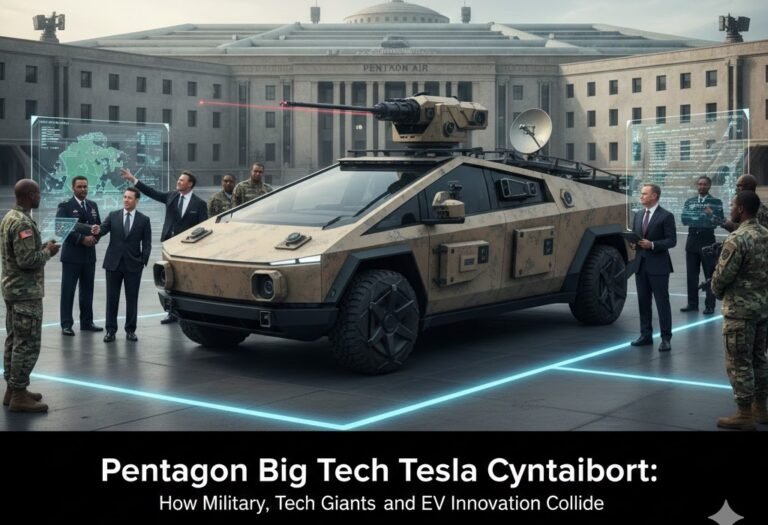
Pentagon Big Tech Tesla Cybertruck: How Military, Tech Giants, and EV Innovation Collide

0

Introduction: Understanding the Pentagon Big Tech Tesla Cybertruck Nexus

In an era where defense strategies and commercial innovation overlap more than ever, the phrase Pentagon Big Tech Tesla Cybertruck symbolizes a unique convergence of government priorities, cutting‑edge technology, and sustainable mobility. The United States Department of Defense (DoD) has increasingly turned to big tech firms to modernize its infrastructure, intelligence capabilities, and hardware development. Meanwhile, Tesla’s Cybertruck represents a bold leap in electric vehicle design that has captured the imagination of not just consumers but also defense planners seeking rugged, efficient, and future‑ready transport solutions.

This article explores the dynamic landscape where the Pentagon collaborates with major technology companies — often labeled “big tech” — and considers whether innovations like the Tesla Cybertruck could play a role in redefining mobility in defense contexts.

1. Pentagon and Big Tech: A Historical Shift in Defense Strategy

1.1 The Rise of Big Tech in Defense Projects

Traditionally, defense procurement focused on established defense contractors like Lockheed Martin, Boeing, and Northrop Grumman. However, the rapid pace of technological evolution in fields such as artificial intelligence (AI), cloud computing, cybersecurity, and autonomous systems has led the Pentagon to forge partnerships with Silicon Valley giants.

Companies like Amazon Web Services (AWS), Microsoft, Palantir, and Google have been tapped for their expertise in cloud infrastructure, data analytics, and machine learning. This marks a shift from hardware‑centric defense programs toward software‑driven warfare preparedness. The term Pentagon Big Tech Tesla Cybertruck captures this new era where cross‑industry innovation becomes strategic necessity.

1.2 Why the Pentagon Needs Big Tech

There are several critical reasons the Pentagon is integrating big tech capabilities:

  • Advanced Data Processing: Big tech systems can handle massive data sets — essential for modern battlefield intelligence.

  • AI and Machine Learning: Predictive analytics and autonomous decision support systems.

  • Cloud Infrastructure: Secure, decentralized data storage and computing power.

  • Cyber Defense: Protecting military systems from sophisticated cyber attacks.

This collaboration doesn’t come without controversy, as issues around ethics, data privacy, and corporate influence shape debates in Congress and the tech community.

2. Tesla Cybertruck: A New Frontier in Electric Vehicles

2.1 The Birth of the Cybertruck

Tesla shocked the automotive world with the announcement of the Cybertruck — a radically designed electric pickup truck with an exoskeleton made from ultra‑hard stainless steel. Its angular, futuristic form broke away from traditional automotive aesthetics and signaled Tesla’s willingness to redefine everyday vehicles.

Many experts and observers began asking: Could this vehicle have applications beyond consumer markets? Could it serve in military or utility roles?

2.2 Key Features Making the Cybertruck Stand Out

The Cybertruck boasts several features that distinguish it in the EV world:

  • Durability: An exoskeleton built to withstand damage.

  • Performance: Acceleration and torque competitive with high‑end sports cars.

  • Range: Long‑distance travel potential on a single charge.

  • Payload Capacity: Design supports significant cargo and towing capacity.

  • Off‑Road Capability: Adaptive air suspension for rough terrain.

When placed against requirements for military use — where ruggedness and reliability are critical — the Cybertruck naturally becomes a point of discussion for defense analysts.

3. Pentagon Big Tech Tesla Cybertruck: Where These Worlds Intersect

3.1 Could the Pentagon Utilize the Cybertruck?

While there is no public evidence that the Pentagon has formally adopted the Cybertruck, the characteristics of the vehicle align with some emerging defense priorities:

  • Electrification of Ground Vehicles: The military has expressed interest in reducing dependence on fossil fuels.

  • Silent Operation: EVs offer quieter movement — beneficial for reconnaissance.

  • Cyber Integration: Cybertruck’s software‑centric design could integrate with AI and networked systems.

Think tanks and defense innovation groups have discussed prototypes and testing scenarios where rugged EV designs are evaluated for military logistics, border patrol, and emergency response.

3.2 Big Tech’s Influence on Defense Procurement

Including big tech language and companies in this discussion underscores how the Pentagon’s procurement culture is evolving. It’s no longer just about armored plating and ballistic resistance — it’s also about software platforms, sensor arrays, connectivity, and machine learning.

If Tesla’s networks, AI systems, or manufacturing processes provide advantages, they could become part of a broader military technology ecosystem.

4. Strategic Impacts of the Pentagon Big Tech Tesla Cybertruck Era

4.1 Boosting National Defense Through Innovation

The integration of big tech into defense programs has already helped:

  • Modernize Command and Control: Cloud services enable secure command structures.

  • Enhance Cybersecurity Defense: Tech firms bring expertise to secure military networks.

  • Accelerate R&D: Silicon Valley speed complements defense research.

Adding vehicles like the Tesla Cybertruck to these conversations might accelerate electrification and automation initiatives in defense.

4.2 Economic and Industrial Implications

Collaborations between the Pentagon and big tech companies inflate economic activity and create cross‑sector job growth. Defense contracts provide revenue streams for tech startups and established firms alike. At the same time, this fuels innovation competition on the global stage, particularly against China and Russia.

If Tesla were to supply vehicles for non‑combat roles — or if Cybertruck technology were adapted for defense — it could reshape supply chains and industrial priorities.

5. Challenges and Criticisms in the Pentagon Big Tech Tesla Cybertruck Partnership

5.1 Ethical and Security Concerns

Linking big tech with defense has raised several concerns:

  • Data Privacy: Who controls sensitive defense data?

  • Corporate Influence: Should commercial entities have too much access to government systems?

  • AI Accountability: How do we regulate autonomous decision systems?

These debates extend to electric vehicles like the Cybertruck because of the data they collect and software they run.

5.2 Technical Limitations and Real‑World Constraints

  • Battery Life in Harsh Conditions: Extreme temperatures can affect EV performance.

  • Charging Infrastructure: Military operations may lack facilities for regular charging.

  • Maintenance: Unique components might require specialized support.

Despite these challenges, ongoing innovation could mitigate many limitations over time.

6. Future Outlook: Where Is the Pentagon Big Tech Tesla Cybertruck Path Leading?

6.1 The Push Toward Electrification of Military Fleets

Globally, defense departments are exploring electrified vehicles to reduce logistics burdens and improve efficiency. The Cybertruck’s design could influence future military vehicle classes, even if not directly adopted.

6.2 The Role of Big Tech in Tomorrow’s Defense Systems

Big tech collaboration will likely expand. Expect:

  • Autonomous ground units

  • AI‑powered battlefield support

  • Cyber‑physical integration

The synergy between government needs and commercial ingenuity will continue driving breakthroughs.

6.3 The Cybertruck as a Symbol of Disruption

The Tesla Cybertruck isn’t just a vehicle — it’s a symbol of disruption. Its inclusion in the broader narrative of defense and big tech represents a philosophical shift in how mobility, energy, and warfighting technologies converge.

Conclusion: The Pentagon Big Tech Tesla Cybertruck Revolution

The phrase Pentagon Big Tech Tesla Cybertruck encapsulates an important crossroads in modern technology and national defense. As the Pentagon increasingly leans on big tech expertise and innovative designs like Tesla’s Cybertruck, the boundaries between commercial innovation and military capability are blurring. This collaboration brings new opportunities for enhanced security, technological growth, and strategic advancement. At the same time, it raises meaningful questions about ethics, data stewardship, and long‑term sustainability.

Ultimately, understanding how these domains intersect equips policymakers, innovators, and the public to participate in shaping a future where defense and innovation serve broader societal goals — not just short‑term priorities.

5 Relevant FAQs (Questions + Answers)

1. What does the term “Pentagon Big Tech Tesla Cybertruck” mean?
The phrase refers to the intersection between U.S. defense strategies (Pentagon), major technology companies (big tech), and Tesla’s innovative electric pickup truck (Cybertruck). It reflects how defense needs could align with commercial tech developments.

2. Why is the Pentagon involving big tech companies in defense projects?
The Pentagon seeks expertise in AI, cloud computing, cybersecurity, and data analytics — areas where big tech excels. These partnerships aim to modernize military capabilities and decision‑making systems.

3. Could the Tesla Cybertruck be used by the military?
While there’s no public indication of formal adoption, the Cybertruck’s rugged design and electric powertrain have potential use cases in non‑combat roles such as logistics, surveillance, or base mobility.

4. What are the challenges of integrating EVs like the Cybertruck into defense systems?
Key challenges include battery performance under extreme conditions, charging infrastructure in remote locations, and the need for specialized maintenance.

5. How might this convergence impact future technology and defense trends?
This convergence could accelerate electrification of military vehicles, enhance autonomous systems, and strengthen cybersecurity defenses, leading to more integrated and flexible defense technologies.