
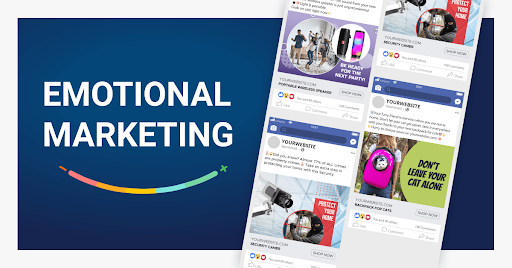
Marketing has stopped being about selling. Emotional marketing forms a significant part of establishing good communication between a brand and a consumer in the modern online world. Emotional marketing has been entirely transformed through technology, which resulted in making it more accurate, individualized, and effective. This manual describes the way technology is revolutionizing emotional marketing and assisting brands to achieve viral reach.
What Is Emotional Marketing?
Emotional marketing targets the emotions of the consumer and, through trust, joy, thrill, or inclusion, wins them over. The more emotionally connected a customer is to a brand, the more likely that brand will be remembered and preferred by him/her. Brands know increasingly more about feelings and can respond in significant ways, and technology is a big factor in the success of this strategy.
How Technology Reshapes Emotional Marketing
Technology has transformed brand identification, delivery, as well as measuring of emotional messages. The major ways it is transforming emotional marketing strategies are listed below:
Data-Driven Emotional Understanding
Thanks to advanced analytics, organizations can literally step into the customer’s shoes, identify the emotionally charged content, and the unstimulating content. It is only the top-notch data that empowers the marketers to create emotional marketing campaigns that are in tune with, understanding, and, thus, effective.
Personalization Builds Stronger Emotional Connections
The technology gives the opportunity for the brands to customize the content according to the individual preferences, thereby making the customers feel understood and emotionally connected. The Personalized method creates trust and sharing, thereby establishing extensive brand presence on digital channels.
Artificial Intelligence Enhances Emotional Insight
The emotional intelligence of artificial intelligence is likewise remarkable, and AI is the one that helps a lot in this area. Such tools evaluate the emotional aspects of customer experience through analyzing the reviews, likes, and public opinions on social networks. One of the consequences of this capability is that marketing messages can be altered accordingly at once.
Moreover, chatbots and digital helpers that run on AI are capable of giving fast and understanding reactions, which not only makes customers happy but also creates a bond with them.
Create a Strategic Emotional Marketing Plan
To implement emotional marketing that works, a lot of planning is necessary. A well-defined strategy would help the brands to be in line with their objectives and create measurable results. The most important features consist of:
- Emotional Goal: Specify which feeling you want your audience to go through.
- Customer Research: Understand the consumers’ desires, principles, and problems.
- Storytelling Method: Pick your content format between storytelling, videos, blogs, or social media posts.
- Choosing the platforms: Highlight the platforms that have your most engaged audience.
- Performance Tracking: Quantify the consideration, reactions, and conversions.
With an emotional message, having a well-planned strategy, brand goals are kept in line.
Social Media and Emotional Storytelling
Social media sites are strong tools of emotive narration. Live stream, short videos, and interactive content attract attention and can make an emotional appeal. Emotional stories have high chances of spreading through word of mouth, with a brand achieving viral organic reach. Authenticity and emotional trust are also improved by the use of user-generated content and influencer partnerships.
Automation Without Losing the Emotional Touch
Emotional campaigns can be scaled when automated through marketing. Scheduled messages, automated emails, and personalized workflows are used to communicate consistently without losing the emotional meaning. Technology assists in sending the appropriate message at the appropriate time and also ensures a human touch. This equilibrium enables brands to expand their presence and remain emotionally pertinent.
Transparency Builds Emotional Trust
Transparency that is enhanced by technology is also a must in emotional marketing. Customers can experience the real experiences in online reviews, testimonials, and direct communication channels. Open and honest brands develop more emotional trust and long-term loyalty. The emotional marketing is founded on trust that can result in long-term relationships, as opposed to temporary ones.
Conclusion
The reasons behind the ability of technology to transform marketing emotionally are that it is able to integrate information and personalization, as well as emotional intelligence. By relying on analytics, AI, social media, and automation, brands will have the ability to build meaningful emotional links and gain explosive reach. With yet a more competitive digital realm, technology-driven, emotionally driven marketing is no longer an extra option, but is a must-have.