
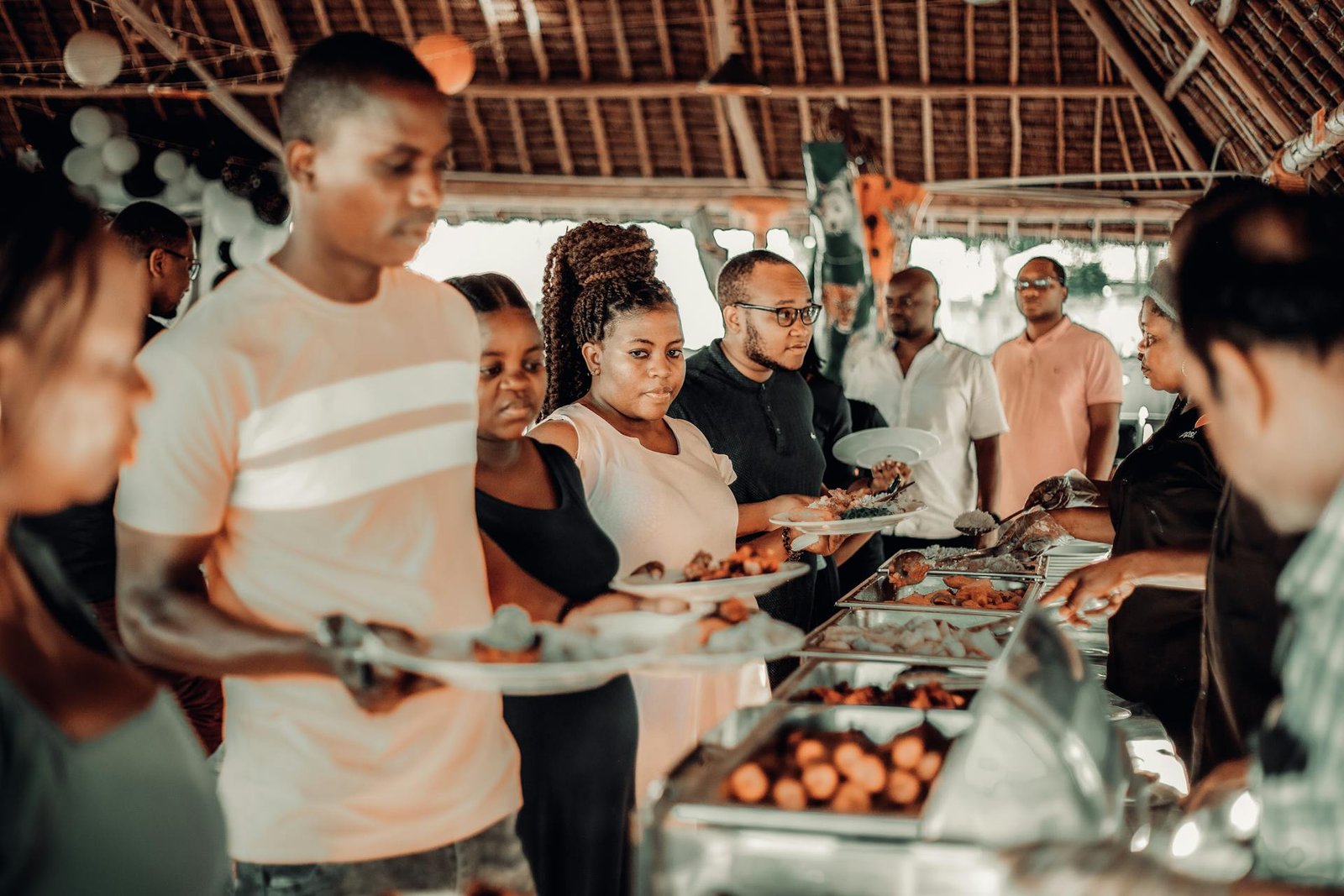
Celebrations are supposed to feel generous. A little extra food, a bit more effort, a table that looks like it’s been thought through. That’s normal. The issue is how easily “a little extra” turns into far more than anyone actually needs and how quietly that shift happens.
In a lot of middle class and upper class homes, the pattern is familiar. An extra supermarket run, just to be safe. One more dish added because something feels missing. Portions stretched without really thinking about who’s going to eat what. In the moment, it all feels sensible. Then, a few days later, things look different.
The fridge gets opened, containers get moved around, and it becomes obvious that not everything is going to be used. Some of it gets reheated once. Some of it gets ignored. Eventually, it’s thrown out without much thought, just as a part of cleaning up and moving on. That part rarely gets mentioned.
The Scale of Food Waste During Festive Periods
Most of this doesn’t come from being careless. It results from making an effort to do things thoroughly and perfectly. Nobody wants to run out of food. Nobody likes guests to go hungry. Therefore, a little extra is purchased, a little more is prepared, and leftovers, even if they aren’t always consumed or barely touched by the guests, are seen favourably common in most households. On its own, each choice seems acceptable and right at that particular moment. When combined, they end up making more food than is actually needed.
Food waste rises during holidays, particularly when it comes to fresh foods like meat and vegetables, according to WRAP (Waste and Resources Action Programme). Not scraps but full portions, often untouched.
According to the United Nations Environment Programme, households are a significant source of food waste, especially during large-scale festivities. This has become so normal that it is very bothersome. After a party or any festive celebration, throwing away food is no longer even considered. It’s almost expected.
When It Becomes Too Much
There’s also the question of how much is actually being eaten. Festive food tends to be heavier. That’s part of the experience. But when it carries on for several days, such as rich meals, more meat, more sugar, it starts to show. Energy drops. Sleep gets off. There’s that general feeling of being a bit off balance. It usually gets ignored because it passes quickly. But it happens often enough to notice.
At the same time, there’s a gap that’s hard to overlook. While some households are trying to deal with excess, others are still relying on food banks or local support to get by. Both situations exist side by side, which raises a fairly obvious question about how resources are being used.
Why It Still Feels Normal
A lot of this comes down to perception. A full table looks right. Extra dishes feel like effort. No one wants to look like they’ve done the bare minimum, especially when hosting. That expectation doesn’t need to be said out loud; it’s just understood.
Then there’s everything else influencing it. Social media sets a certain standard for what celebrations should look like. Retail promotions make it easy to buy more than planned. “Better to have extra” starts to feel like the safer option. On its own, none of this feels excessive. But combined, it shifts what feels normal.
A Slight Shift in Thinking
There are small changes starting to happen, even if they’re not that major. More attention to what actually gets eaten. Slightly fewer dishes, but better planned. A bit more honesty about what usually ends up going to waste after these occasions. It’s not about cutting back on celebration. It’s about being a bit more realistic within it.
In some cases, that shift goes further. Instead of letting surplus sit unused, some choose to redirect that value completely. Choosing to donate qurbani is one example of how participation can move away from personal consumption and toward something more balanced. It doesn’t take away from the occasion. If anything, it changes what the occasion achieves.
Where Things Still Fall Short
Even with better habits, there are limits. Food redistribution systems are there, but they’re not always easy to use. Labelling can be confusing, which leads to food being thrown out earlier than necessary. Coordination between businesses and charities is improving, but it’s not consistent.
There are apps and tools trying to connect excess food with people who need it. Some work well. Others haven’t reached enough people yet. The gap is still there.
What “Enough” Actually Means
At some point, it comes down to a simple question: how much is actually enough?
For a long time, the answer has been “more.” More food, more variety, more visible effort. But that doesn’t always lead to a better experience. A table where everything gets eaten feels different. Less waste, less excess, but still complete. Nothing important is missing.
Conclusion
The cost of celebration doesn’t show up while it’s happening. It shows up afterwards, such as in what gets thrown away, in how people feel, and in what could have been used differently. This isn’t about scaling things down or removing what makes celebrations meaningful. It’s about noticing where things quietly go too far.
Celebration can still feel generous. It just doesn’t need to go beyond what’s actually needed to feel that way.