Introduction: What Is Viltnemnda?
Viltnemnda is a local wildlife management body in Norway responsible for handling important tasks connected to wild animals, hunting management, and human-wildlife interactions. It plays a key role in maintaining a healthy balance between nature conservation, farming interests, road safety, and sustainable use of wildlife resources.
Many people search for Viltnemnda because they encounter injured wildlife, need information about hunting regulations, or want to understand who manages deer, moose, and other game species in their municipality.
The simple answer is this: Viltnemnda helps municipalities make practical decisions about wildlife management based on laws, scientific knowledge, and local conditions.
Norway has a long tradition of balancing human activity with natural ecosystems. A local wildlife board is needed because conditions vary greatly from one region to another. A municipality with large forests and moose populations faces different challenges than a coastal area with fewer large game animals.
Viltnemnda connects national wildlife policies with real situations happening on the ground.
What Does Viltnemnda Mean?
The Norwegian word Viltnemnda can be translated roughly as “the wildlife committee” or “game management board.”
The word is built from:
| Norwegian Term | Meaning |
|---|---|
| Vilt | Wild animals or game species |
| Nemnd | Committee, board, or official group |
| Viltnemnda | Wildlife management committee |
The term mainly refers to a municipal-level body dealing with wildlife-related responsibilities.
Its work is connected with:
- Wildlife conservation
- Hunting administration
- Population management
- Animal welfare
- Traffic accidents involving wild animals
- Cooperation between landowners, hunters, farmers, and authorities
The Role of Viltnemnda in Norwegian Wildlife Management
Norway’s wildlife management system depends on cooperation between different levels of government. Viltnemnda operates locally while following national legislation and environmental guidelines.
The committee does not simply decide hunting numbers randomly. Decisions are usually based on:
- Animal population surveys
- Previous hunting statistics
- Environmental conditions
- Agricultural damage reports
- Forest resources
- Local ecosystem capacity
A healthy wildlife population requires balance. Too many animals can damage forests and farmland, while too few can threaten biodiversity and traditional hunting culture.
Main Responsibilities of Viltnemnda
1. Managing Game Animal Populations
One of the most recognized duties of Viltnemnda is helping manage species such as:
- Moose (elg)
- Red deer (hjort)
- Roe deer (rådyr)
- Wild reindeer in relevant areas
Wildlife populations change every year. Weather, food availability, disease, and human activity all influence animal numbers.
Viltnemnda evaluates available information and contributes to responsible management decisions.
2. Handling Wildlife Traffic Accidents
A major responsibility involves situations where vehicles collide with wild animals.
In Norway, collisions with moose and deer can cause serious injuries to both humans and animals.
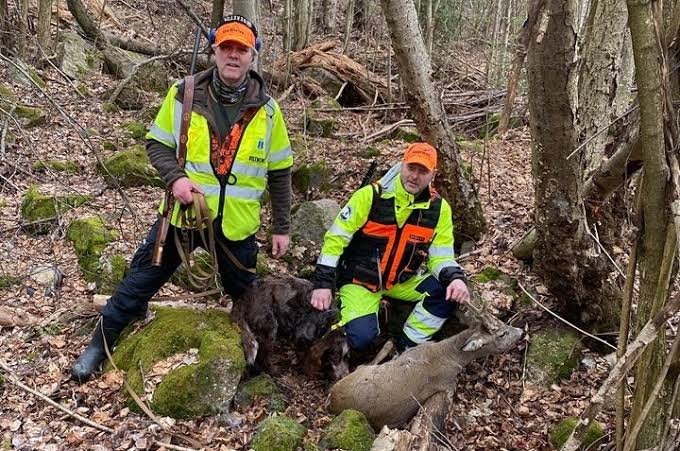
When an accident occurs, local wildlife authorities may become involved in:
- Assessing the injured animal
- Deciding whether emergency action is necessary
- Organizing tracking efforts
- Ensuring animal welfare standards are followed
Quick response matters.
An injured animal left unattended may suffer unnecessarily or create danger near roads.
3. Supporting Sustainable Hunting
Hunting is an important part of Norwegian culture and wildlife management.
Viltnemnda contributes by helping establish frameworks that support:
- Responsible hunting practices
- Sustainable harvest levels
- Healthy animal populations
- Cooperation between hunting groups and municipalities
The objective is not simply increasing or reducing hunting. The goal is maintaining a stable ecosystem.
How Viltnemnda Works With Other Authorities
Wildlife management involves many organizations. Viltnemnda is one part of a larger system.
| Organization | Main Function |
|---|---|
| Municipality | Local administration and decisions |
| Viltnemnda | Wildlife-related local management tasks |
| Miljødirektoratet | National environmental guidance |
| Landowners | Habitat management and hunting rights |
| Hunters | Practical wildlife harvesting |
| Police | Assistance with certain wildlife emergencies |
This cooperation ensures that wildlife decisions are based on both local experience and national expertise.
Why Viltnemnda Matters for Local Communities
Wildlife management affects everyday life more than many people realize.
A strong wildlife management system helps communities deal with:
- Road safety concerns
- Agricultural losses
- Forest damage
- Animal welfare issues
- Conservation goals
For farmers, wildlife numbers can directly influence crops and livestock.
For drivers, wildlife management can reduce accident risks.
For nature enthusiasts, responsible management protects species and habitats.
Viltnemnda and the Balance Between Humans and Nature
Managing wildlife is rarely a simple task.
Different groups often have different priorities.
A farmer may worry about crop damage. A hunter may focus on sustainable hunting opportunities. A conservationist may prioritize ecosystem protection.
Viltnemnda works within this complex landscape by considering multiple perspectives.
The best wildlife decisions usually come from combining:
- Scientific data
- Local knowledge
- Legal requirements
- Practical experience
Nature does not follow administrative boundaries. Animals move across forests, roads, and municipalities.
That is why cooperation matters.
How Wildlife Decisions Are Made
Wildlife management decisions usually involve several steps.
Step 1: Collect Information
Authorities gather information about:
- Population size
- Animal health
- Reproduction rates
- Hunting results
- Environmental conditions
Step 2: Evaluate Local Challenges
Every area has unique circumstances.
A municipality with increasing deer numbers may face different problems than one experiencing declining populations.
Step 3: Create Management Actions
Possible actions include:
- Adjusting hunting quotas
- Improving road safety measures
- Protecting vulnerable areas
- Coordinating emergency responses
Step 4: Monitor Results
Wildlife management is continuous.
A decision made one year may need adjustment the next year.
Common Wildlife Species Connected With Viltnemnda
Moose (Elg)
The moose is one of Norway’s most famous wild animals.
Large populations create both opportunities and challenges.
Benefits include:
- Hunting traditions
- Economic activity
- Cultural importance
Challenges include:
- Vehicle collisions
- Forest damage
- Population control
Red Deer (Hjort)
Red deer populations have increased in several Norwegian regions.
Management focuses on maintaining healthy numbers while reducing conflicts with agriculture and forestry.
Roe Deer (Rådyr)
Roe deer are widespread and often live close to human settlements.
Their management requires attention to:
- Winter survival
- Predator pressure
- Traffic safety
Viltnemnda Rules and Legal Framework
Wildlife management in Norway operates under national laws.
Important principles include:
- Protection of wild species
- Responsible harvesting
- Animal welfare
- Sustainable resource use
Local committees must operate within these legal boundaries.
They cannot make decisions that ignore national conservation goals.
How Citizens Can Contact Viltnemnda
People may need to contact their local wildlife committee for situations such as:
- Finding injured wildlife
- Reporting wildlife problems
- Asking about local hunting management
- Seeking information about municipal wildlife practices
The exact contact details depend on the municipality.
Most municipalities provide information through their official websites.
Benefits of an Effective Viltnemnda System
A well-functioning wildlife management system creates several positive outcomes:
| Area | Benefit |
|---|---|
| Nature | Healthier wildlife populations |
| Safety | Fewer dangerous animal encounters |
| Agriculture | Better control of wildlife damage |
| Hunting | Sustainable opportunities |
| Communities | Better cooperation and communication |
The strength of the system comes from local understanding.
A person living near forests may notice changes before official statistics show them. Local knowledge can be extremely valuable.
Challenges Facing Viltnemnda Today
Wildlife management is becoming more complicated.
Some major challenges include:
Climate Change
Changing temperatures affect:
- Food availability
- Migration patterns
- Winter conditions
- Disease risks
Wild animals respond quickly to environmental changes.
Increasing Human Development
Roads, housing, and infrastructure affect animal movement.
Wildlife corridors are becoming increasingly important.
Conflicting Interests
Different stakeholders may disagree about:
- Hunting levels
- Conservation priorities
- Population targets
Finding practical solutions requires communication and evidence-based decisions.
Frequently Asked Questions About Viltnemnda
What is Viltnemnda responsible for?
Viltnemnda is responsible for local wildlife management tasks, including supporting game population management, handling wildlife-related issues, and cooperating with municipalities, hunters, and landowners.
Is Viltnemnda the same as the police?
No. Viltnemnda and the police have different roles.
The police may become involved in certain emergencies, while Viltnemnda focuses on wildlife management and animal-related decisions.
Who appoints members of Viltnemnda?
The organization and appointment process can vary depending on municipal structures and local regulations.
Municipal authorities are generally responsible for organizing local wildlife management functions.
Can I contact Viltnemnda if I find an injured animal?
Yes. If you discover injured wildlife, contacting the appropriate local authority is usually recommended.
The correct contact depends on where the animal is located.
Does Viltnemnda control hunting licenses?
Viltnemnda does not replace all hunting authorities. Hunting administration involves several organizations, landowners, and regulatory systems.
Its role is mainly connected with wildlife management decisions.
Why is Viltnemnda important in Norway?
Viltnemnda helps maintain a balance between wildlife protection, public safety, agriculture, forestry, and sustainable hunting traditions.
Without local wildlife management, communities would struggle to respond effectively to changing animal populations.
Expert Verdict: Understanding the Real Value of Viltnemnda
Viltnemnda represents the practical connection between Norwegian wildlife policy and everyday life.
Its importance goes beyond hunting decisions. The committee helps communities respond to wildlife challenges, protect animal welfare, and maintain ecosystems where humans and nature can exist together.
A strong wildlife management system requires patience, accurate information, and cooperation. Local experience combined with scientific knowledge creates better decisions.
For anyone researching Norwegian wildlife administration, Viltnemnda is a key concept to understand. It shows how Norway manages one of its most valuable resources: its living landscapes and wild species.